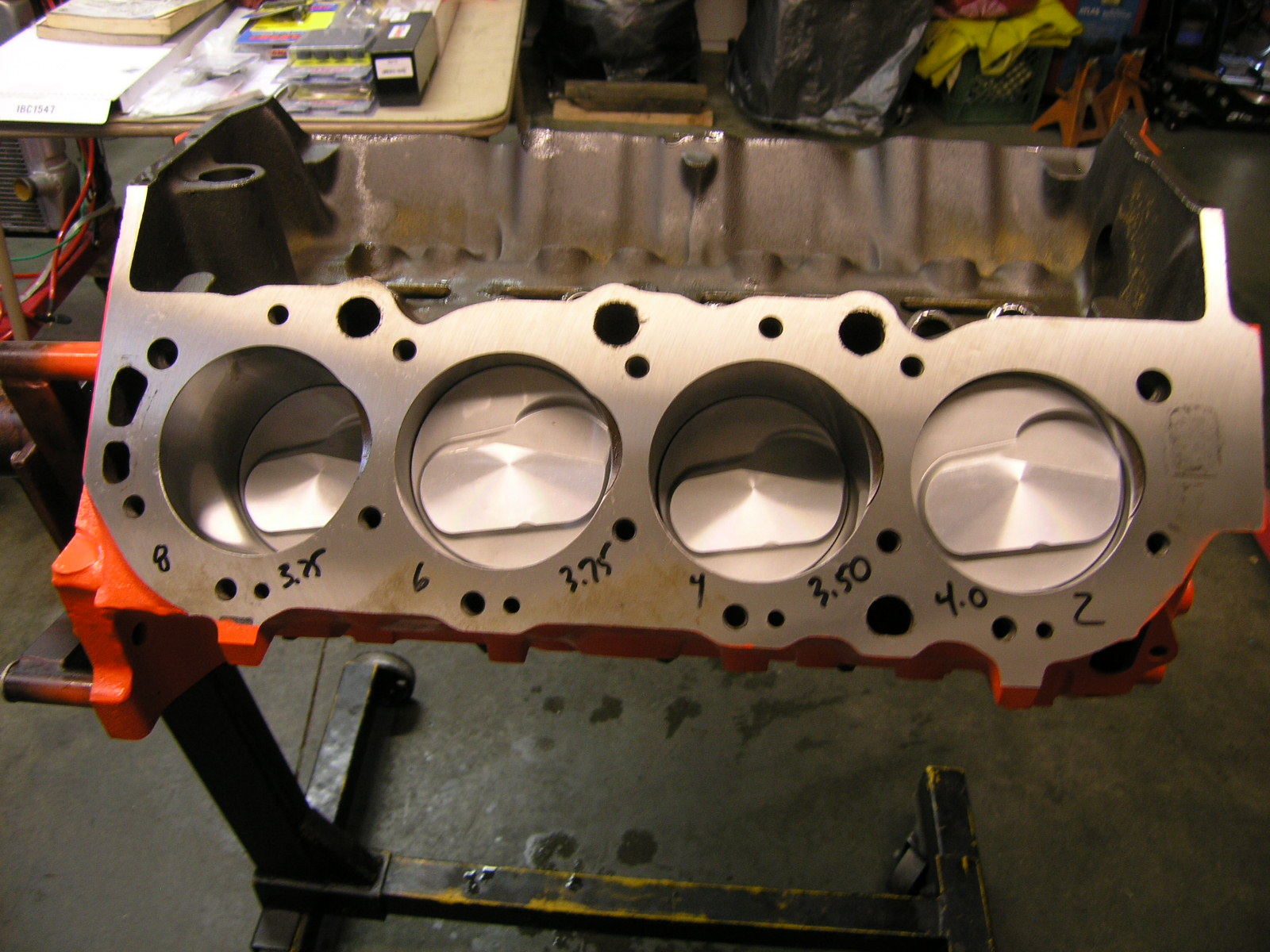
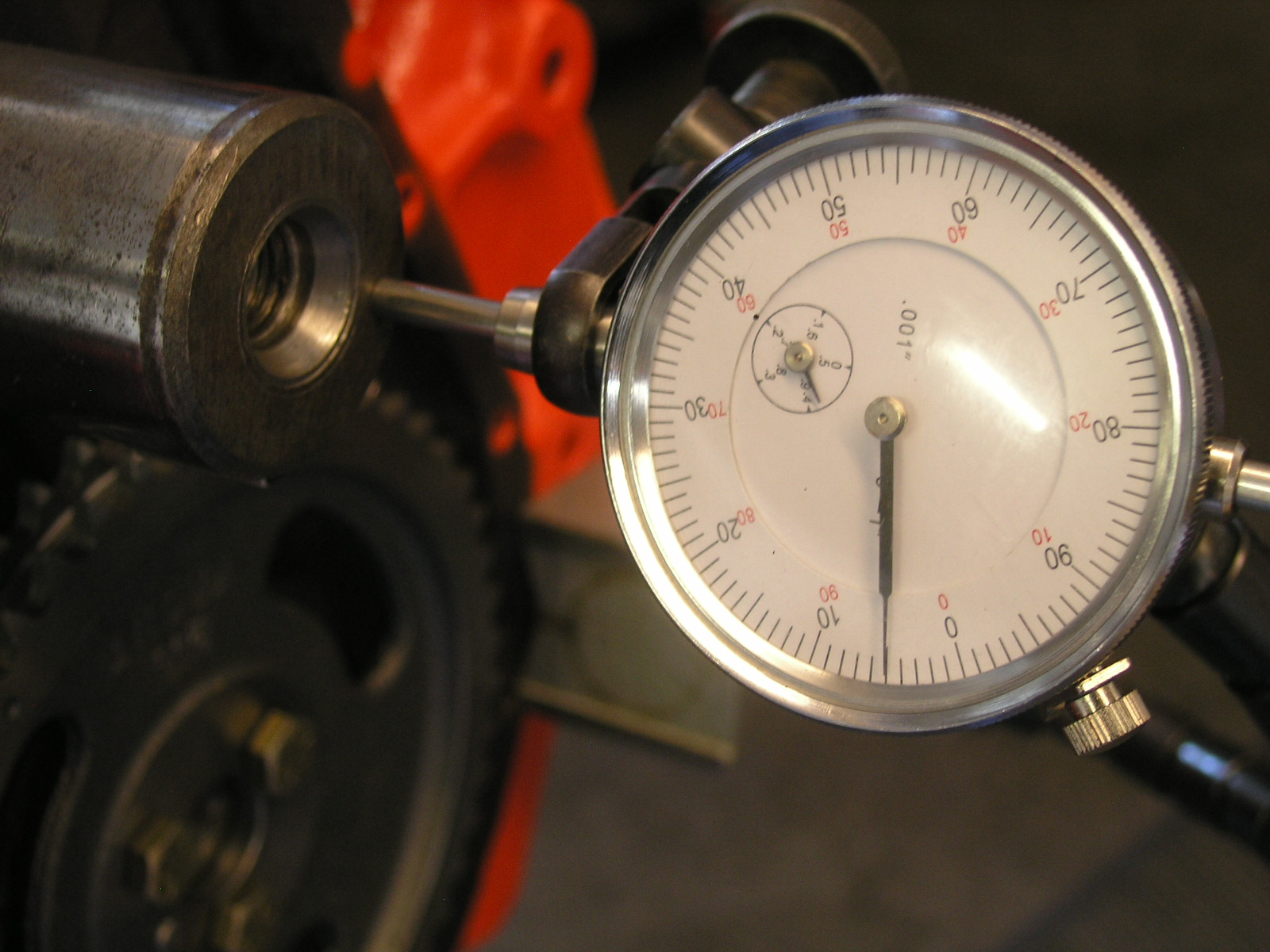
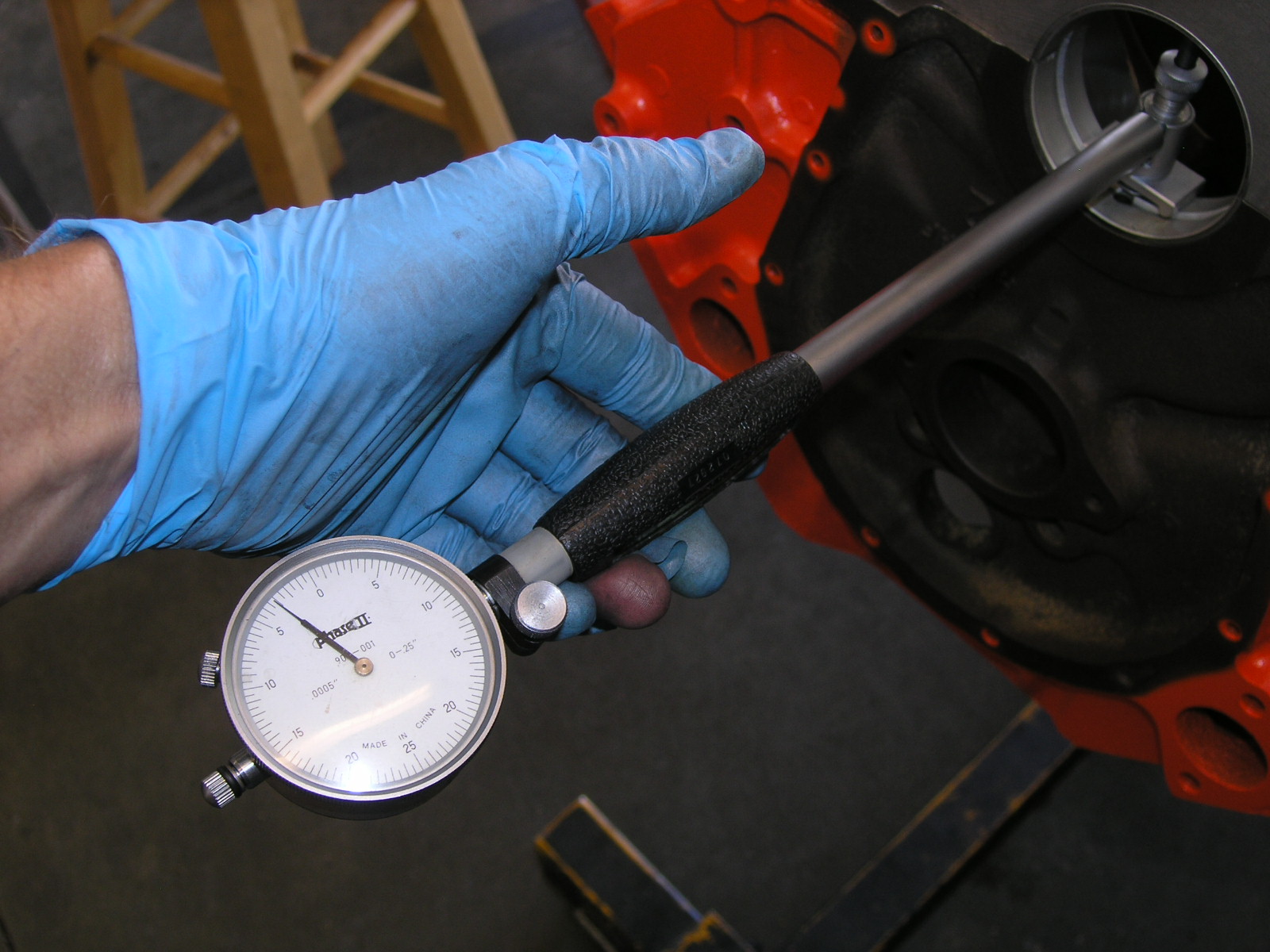
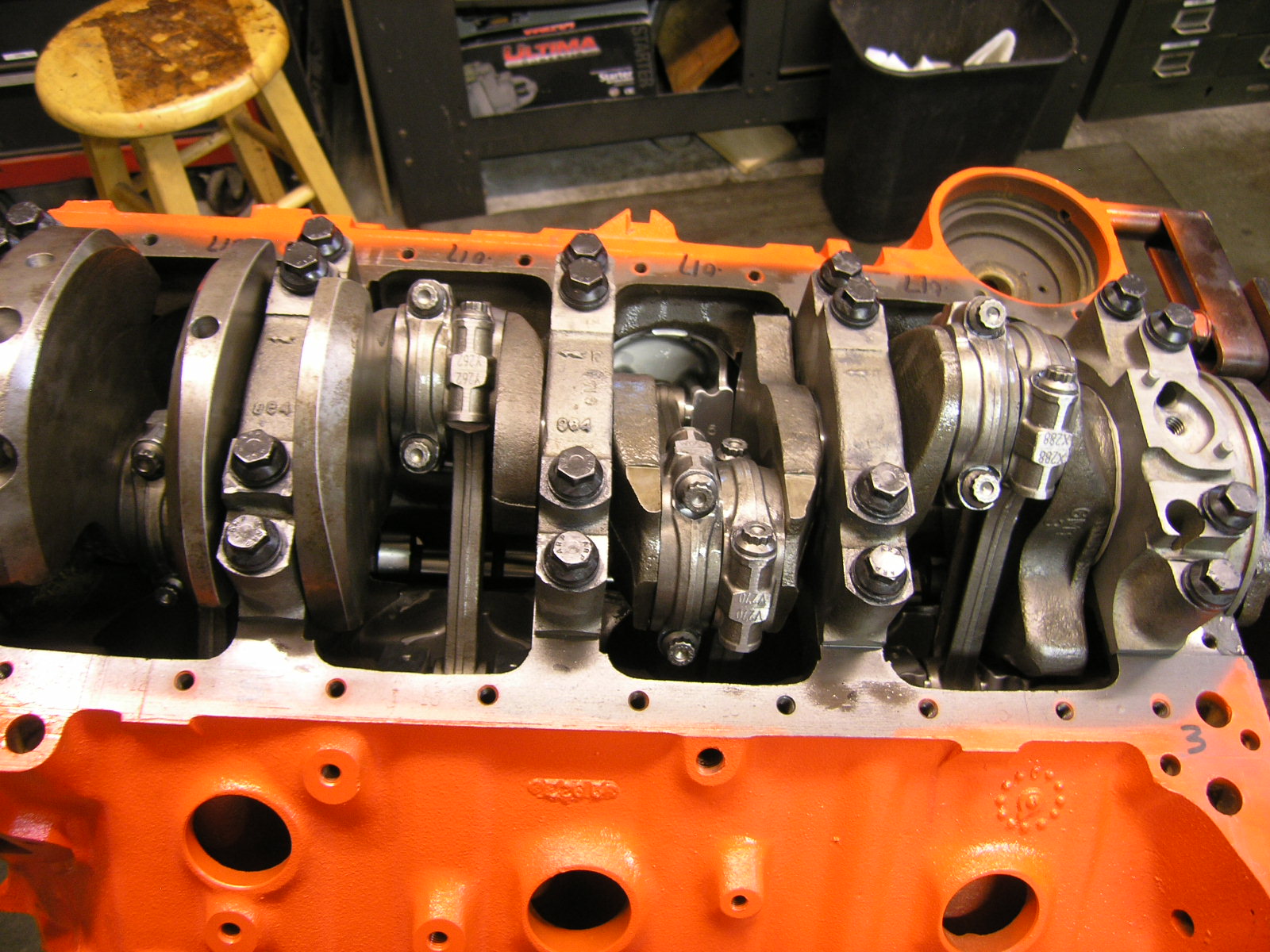
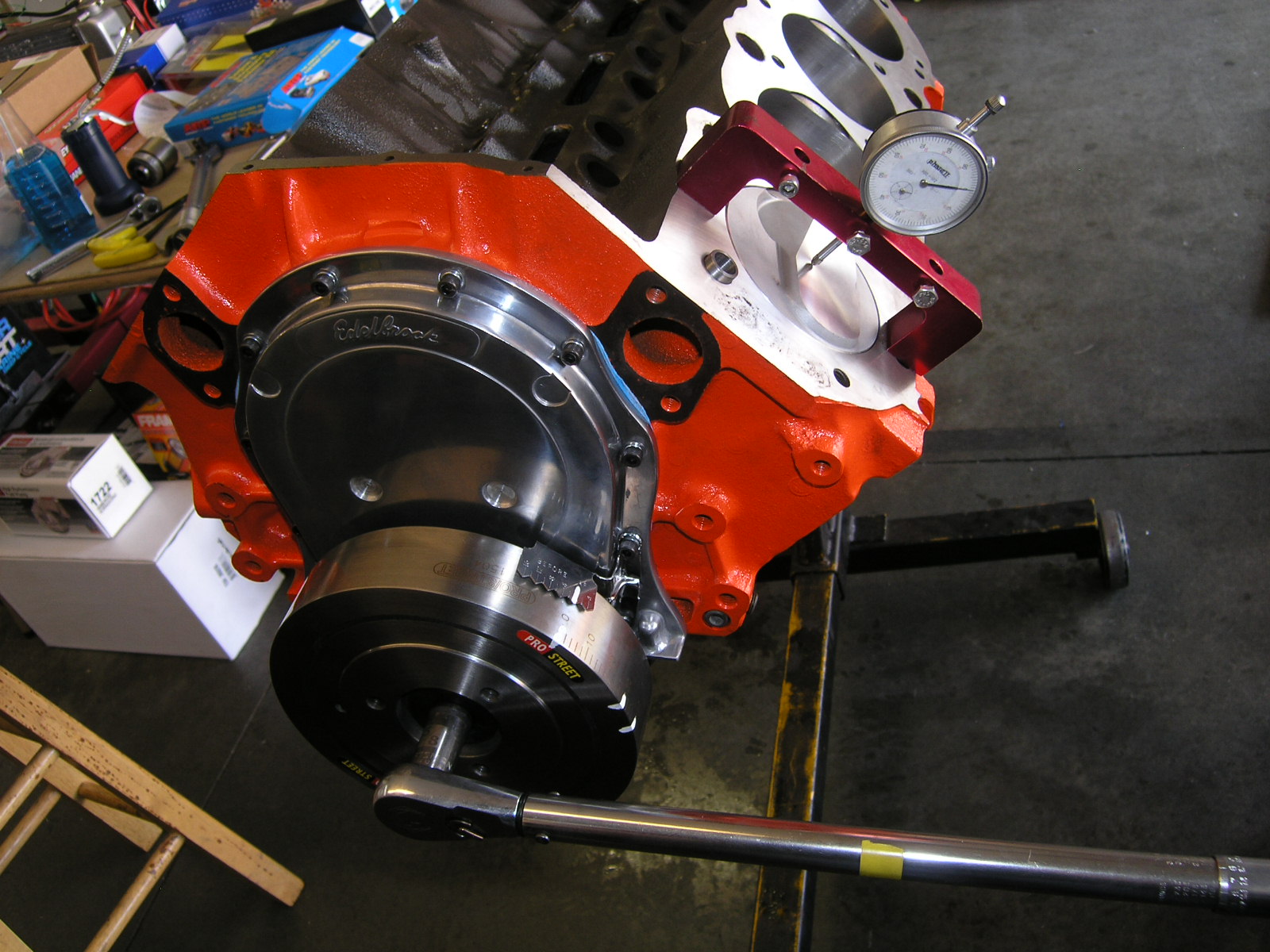
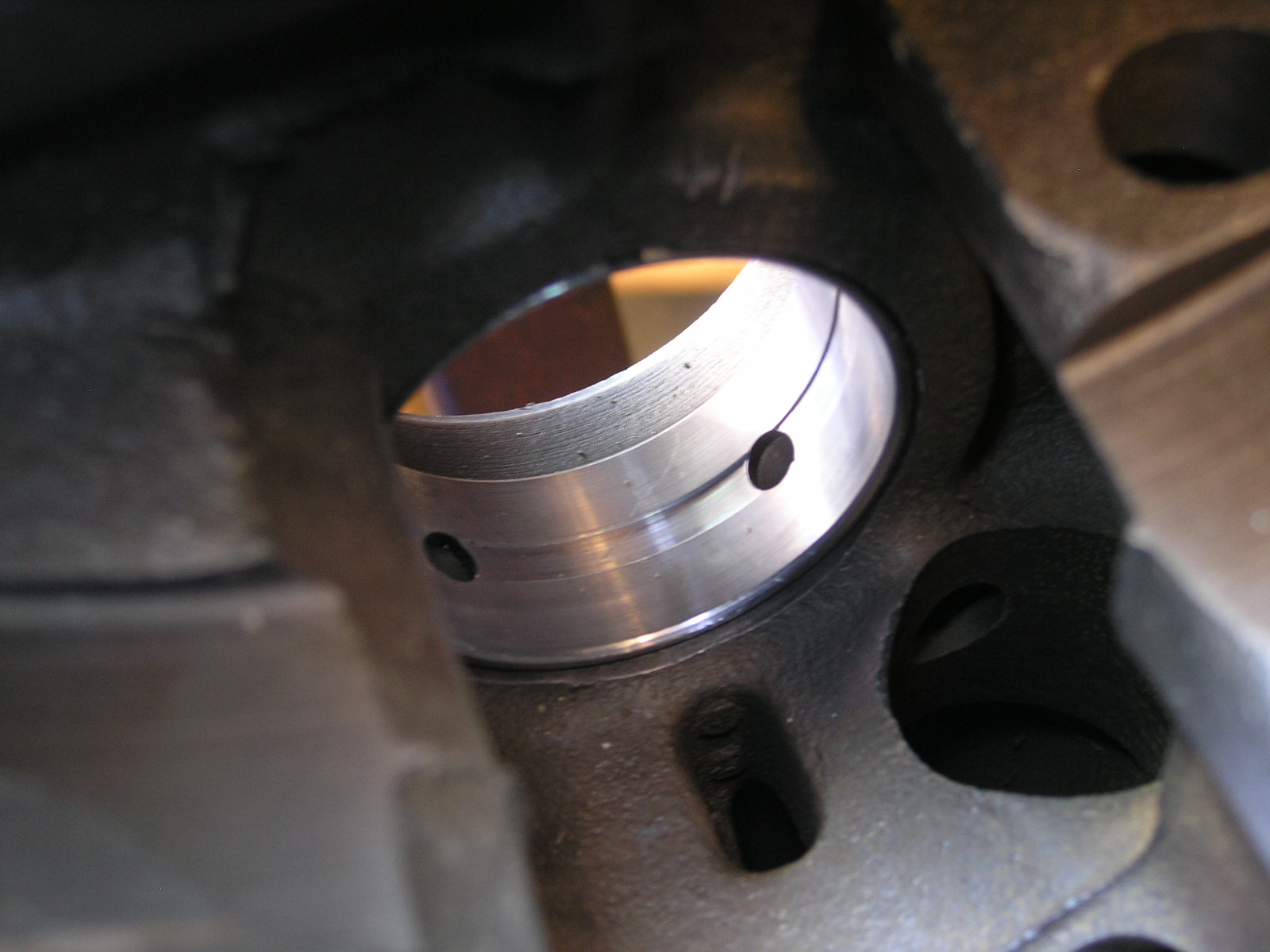
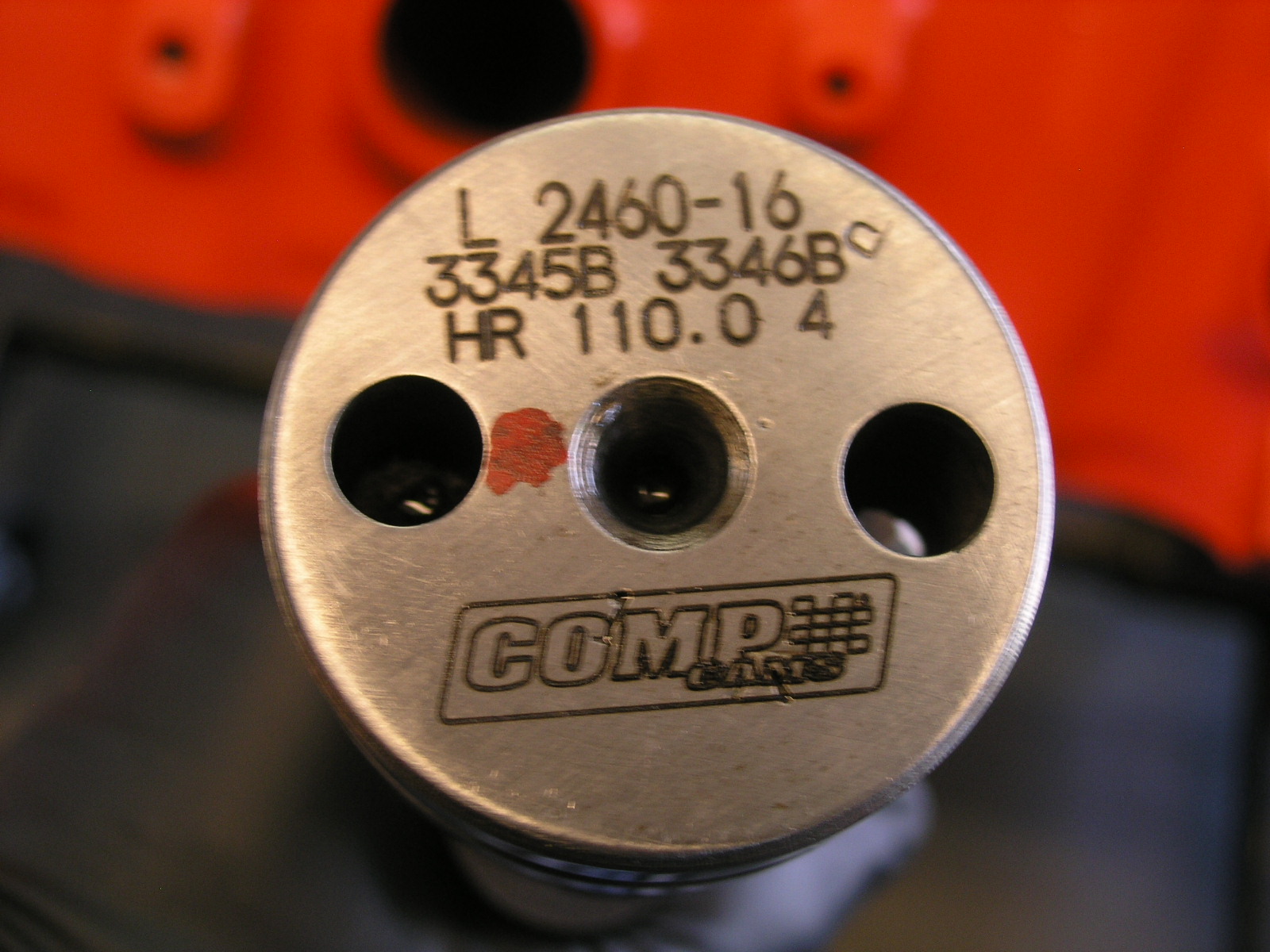
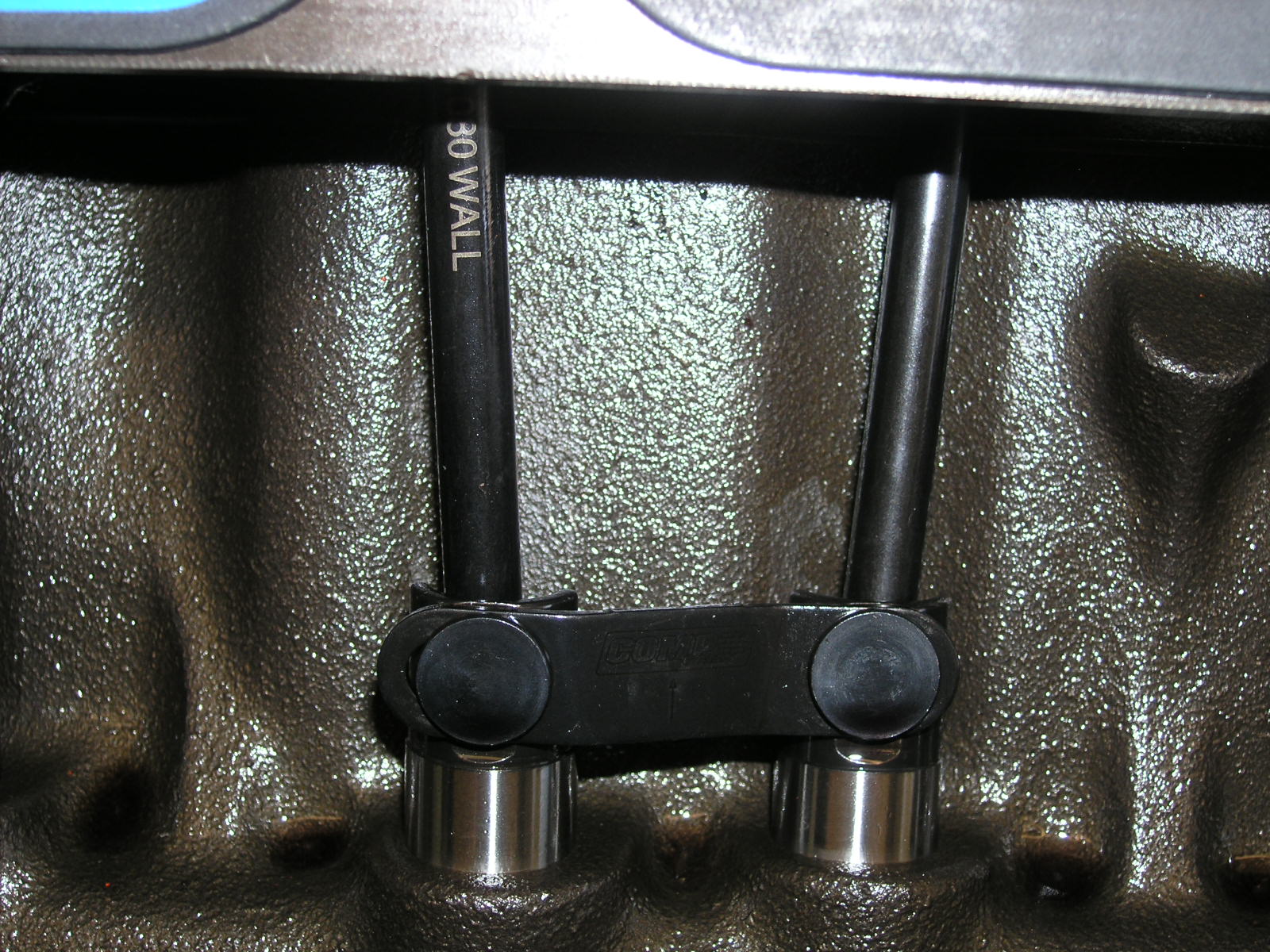
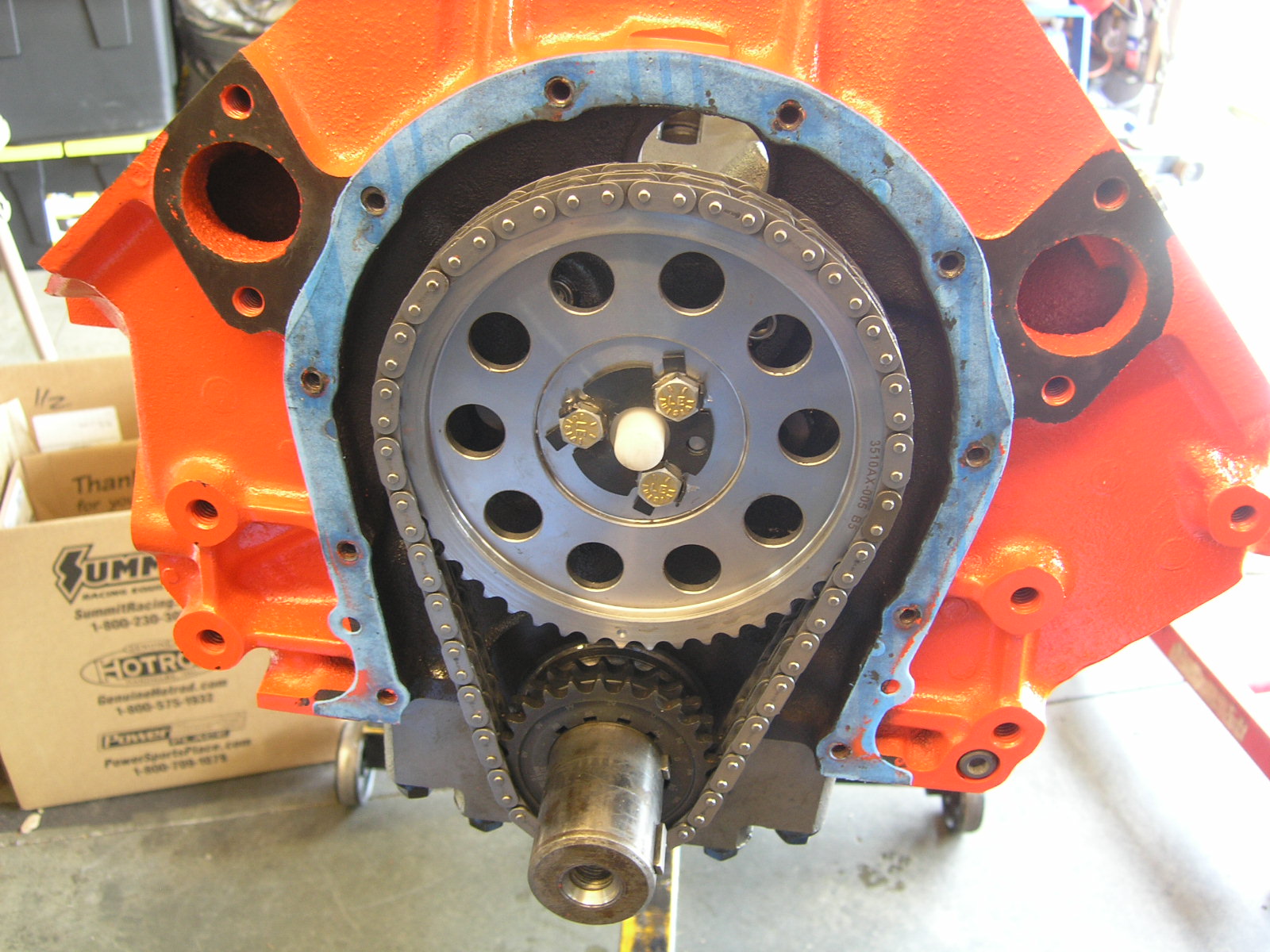
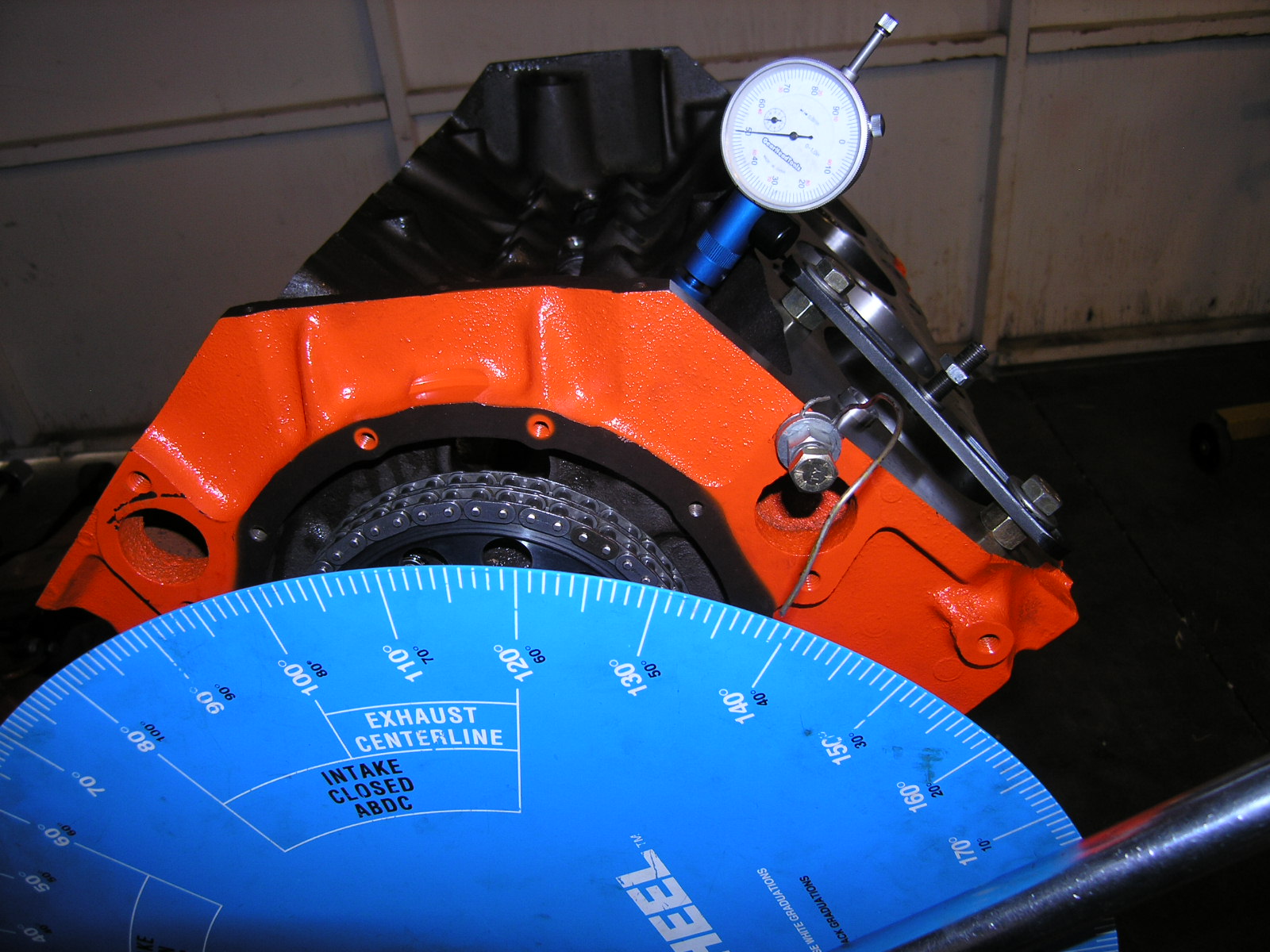
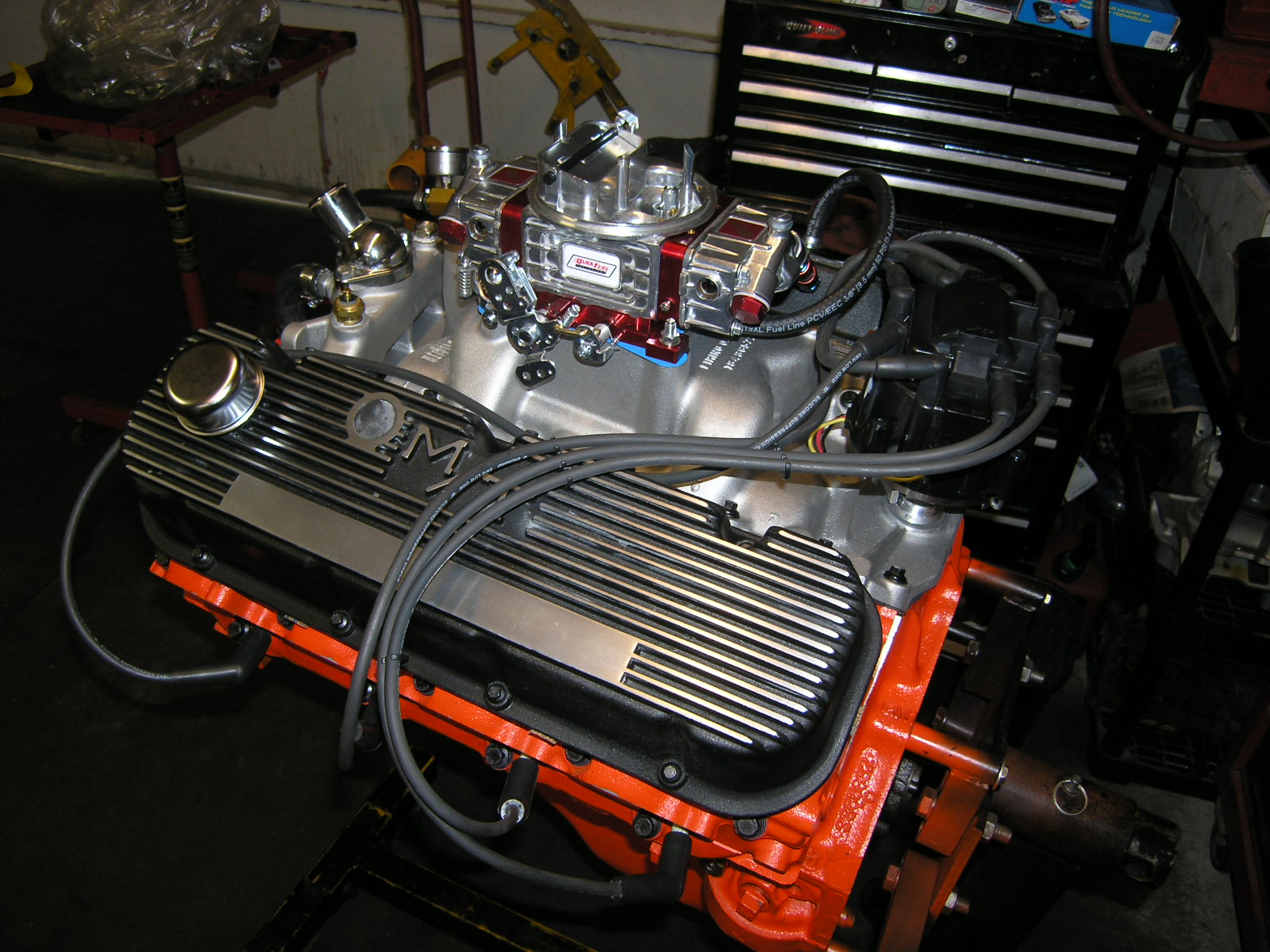
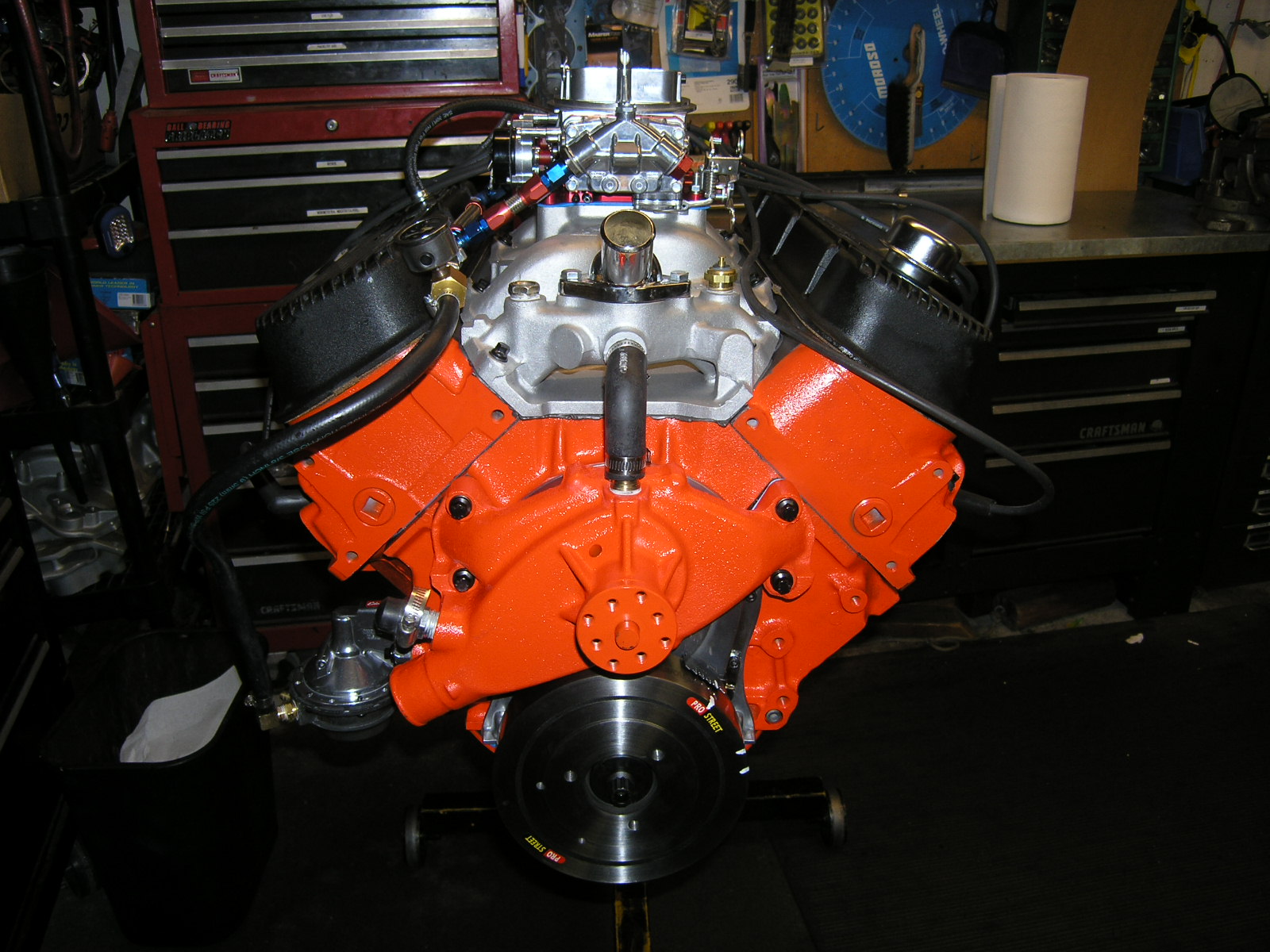
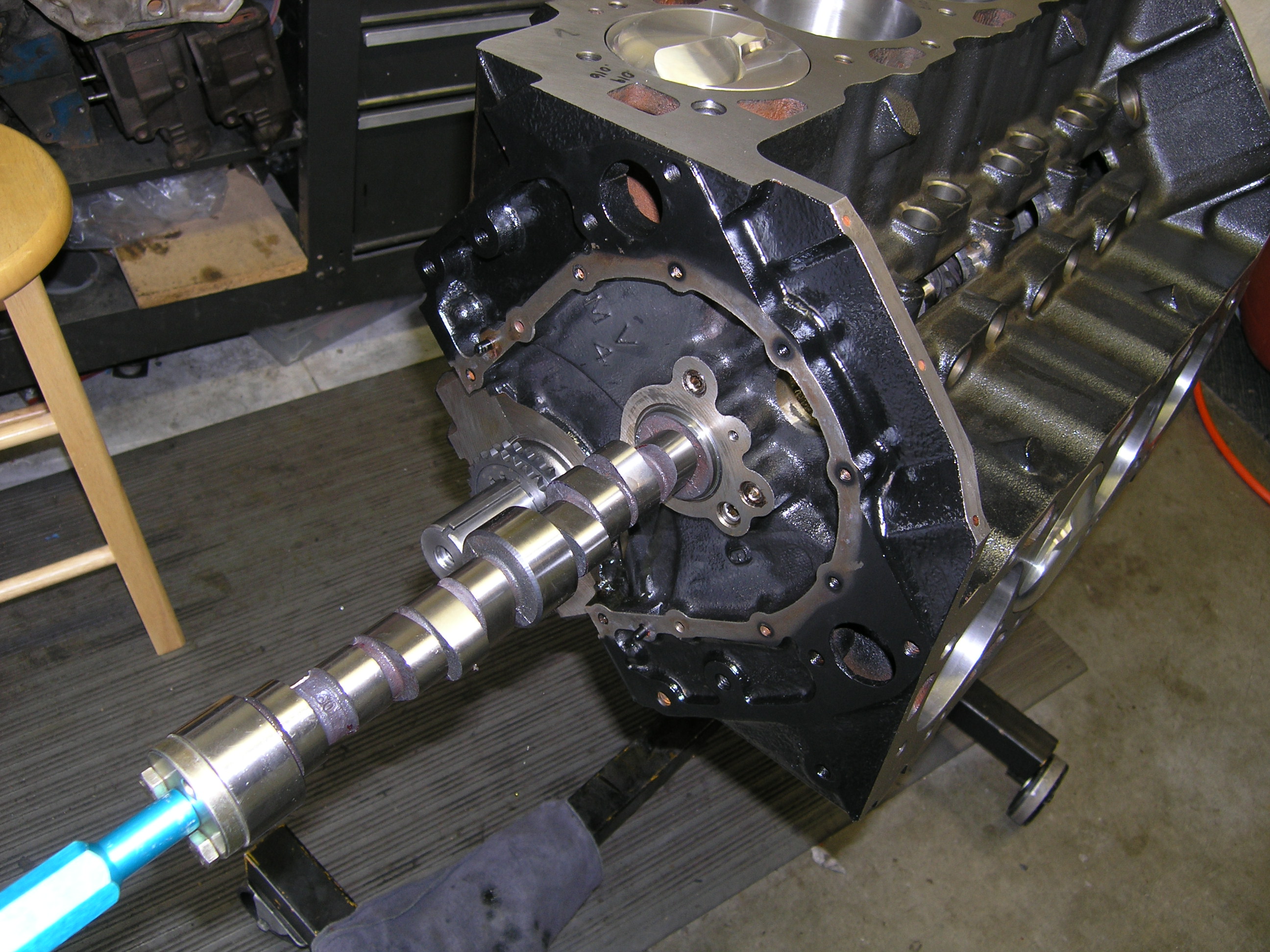
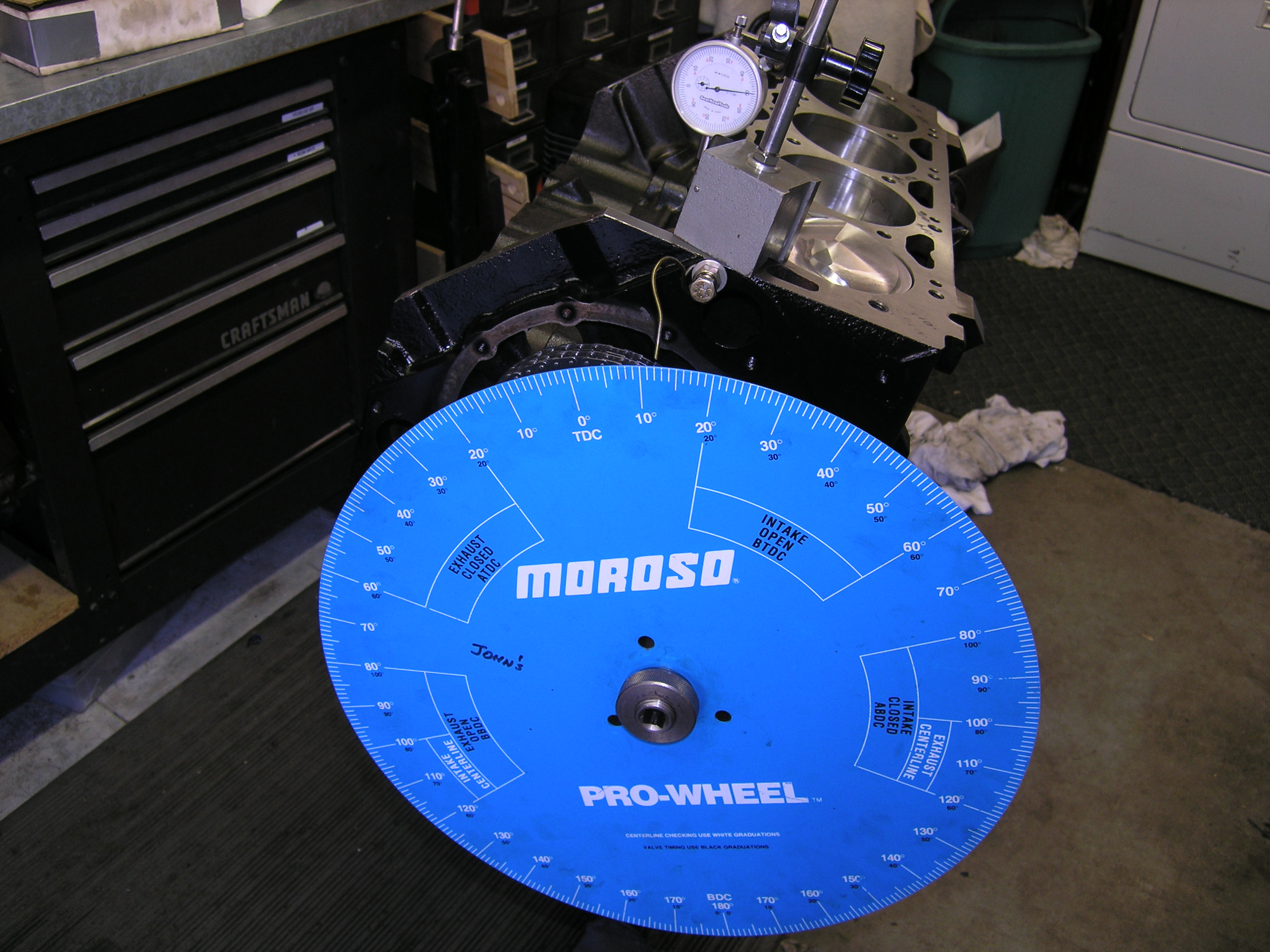
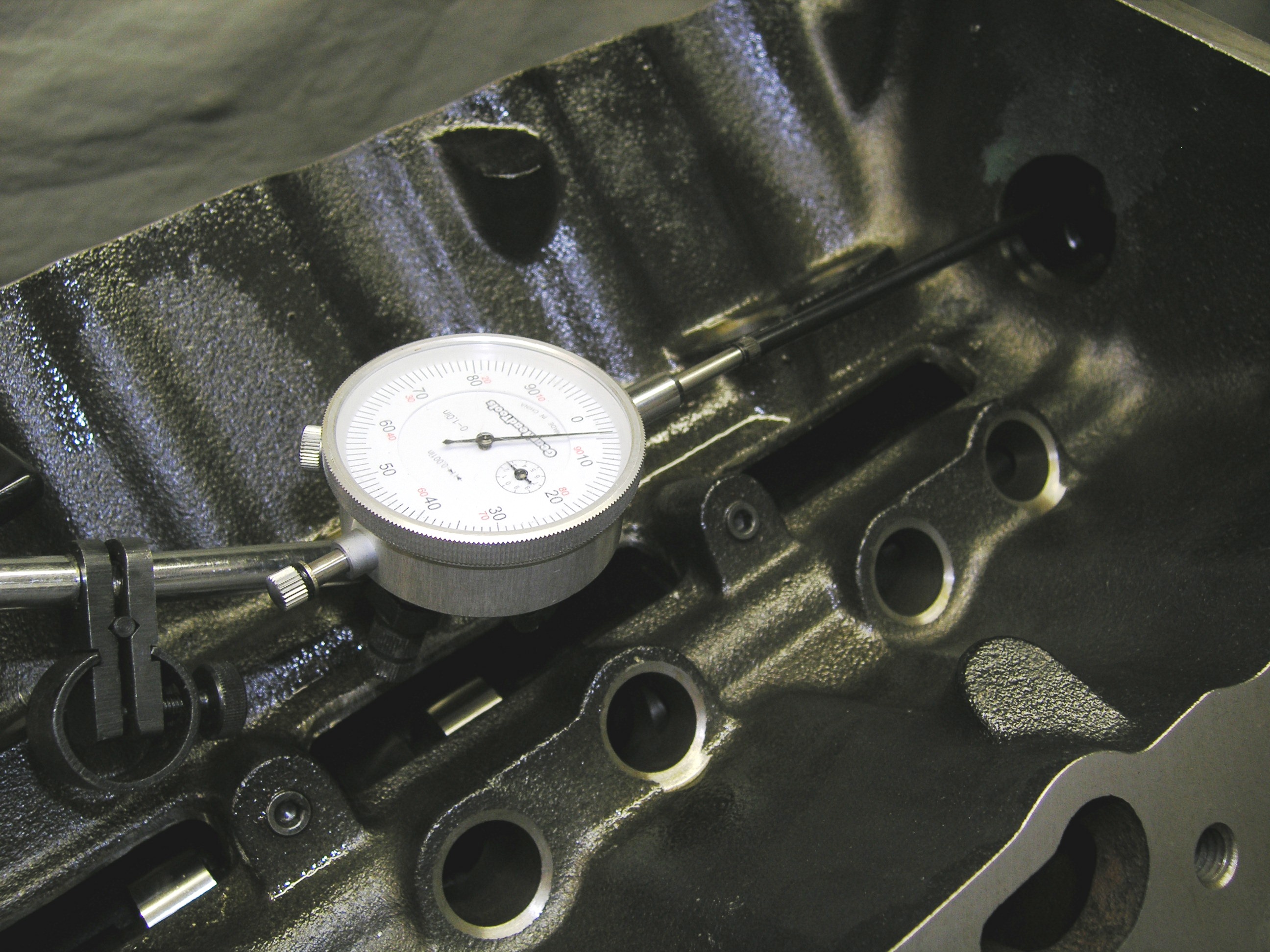
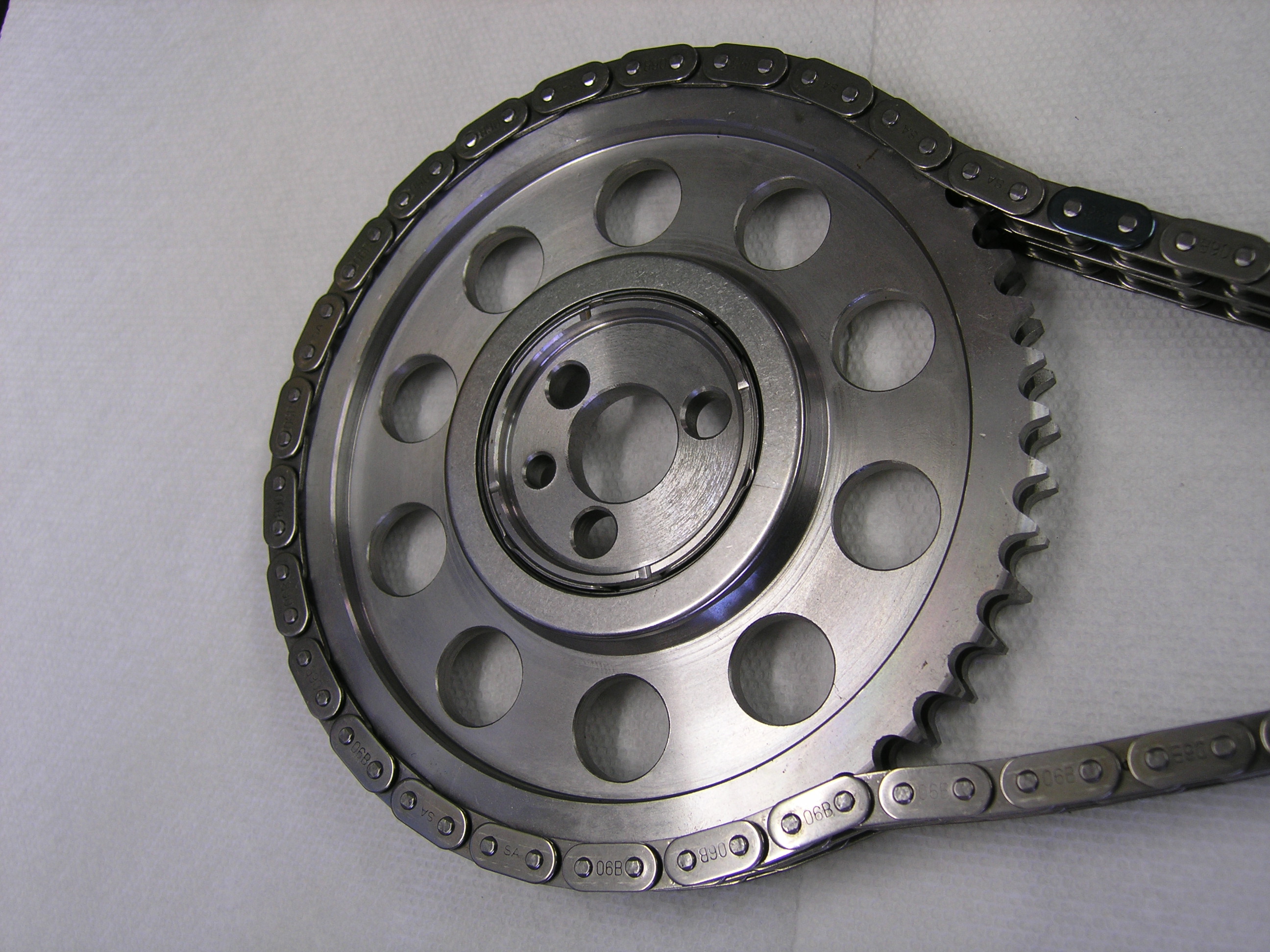
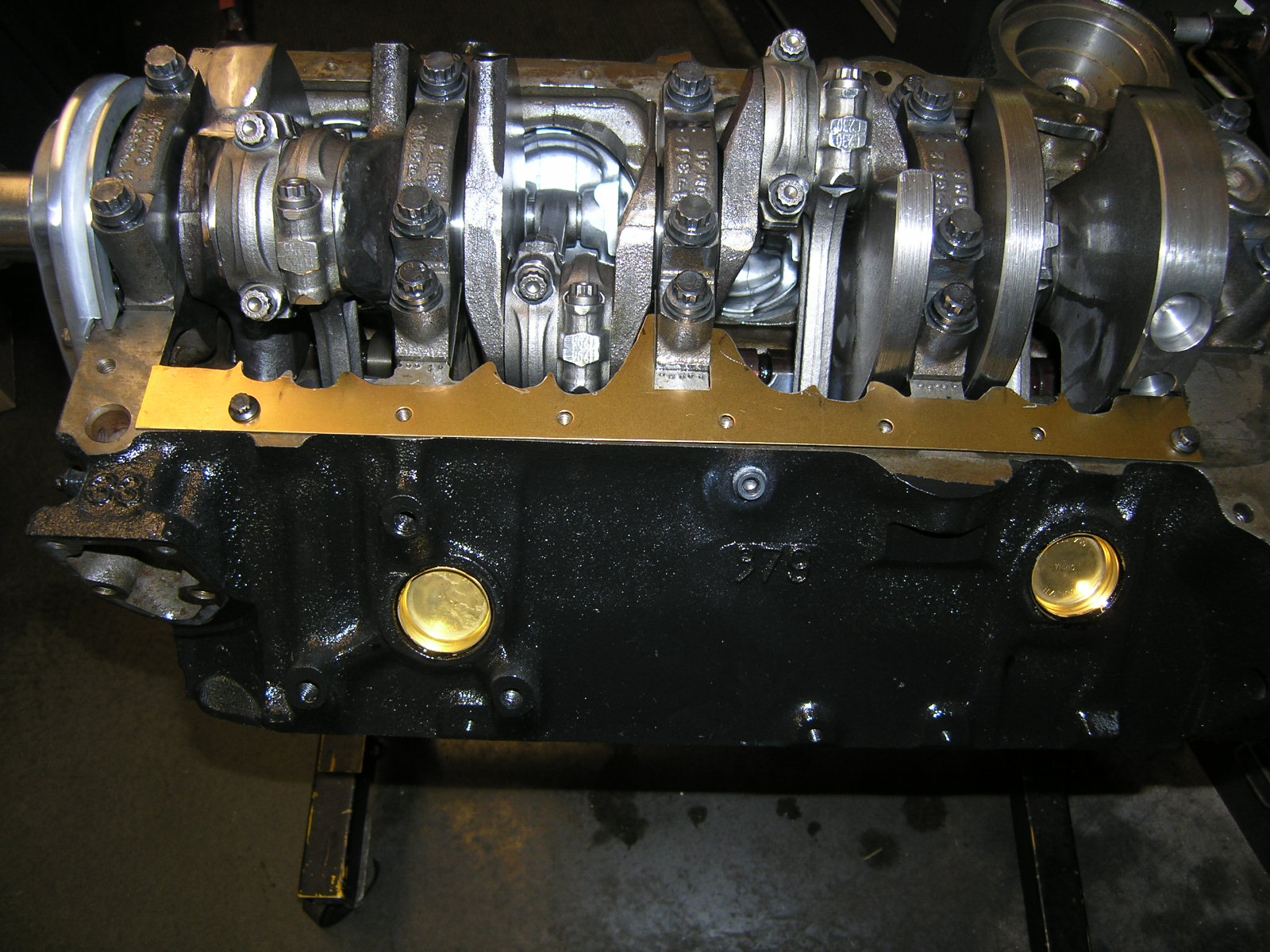
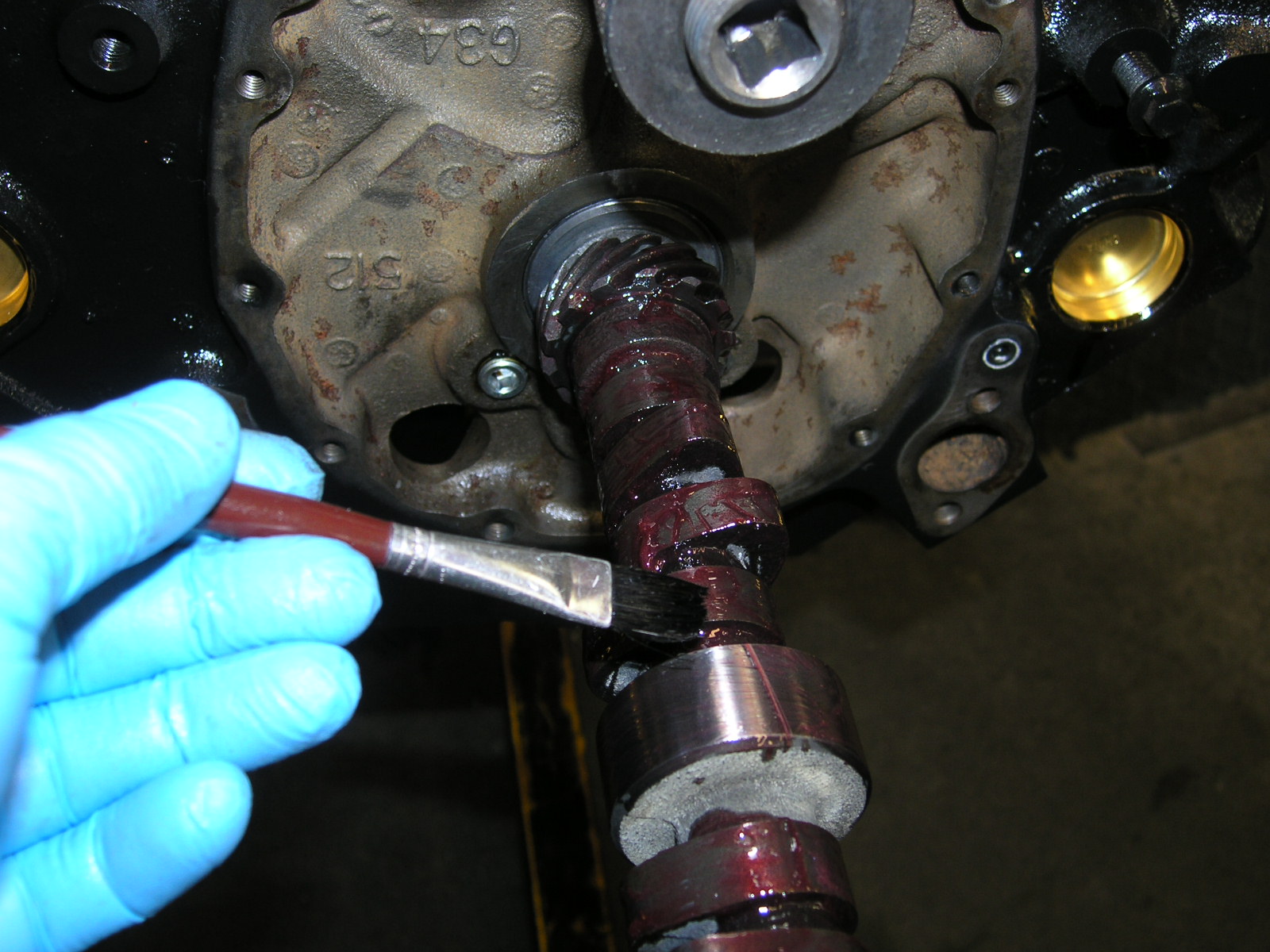
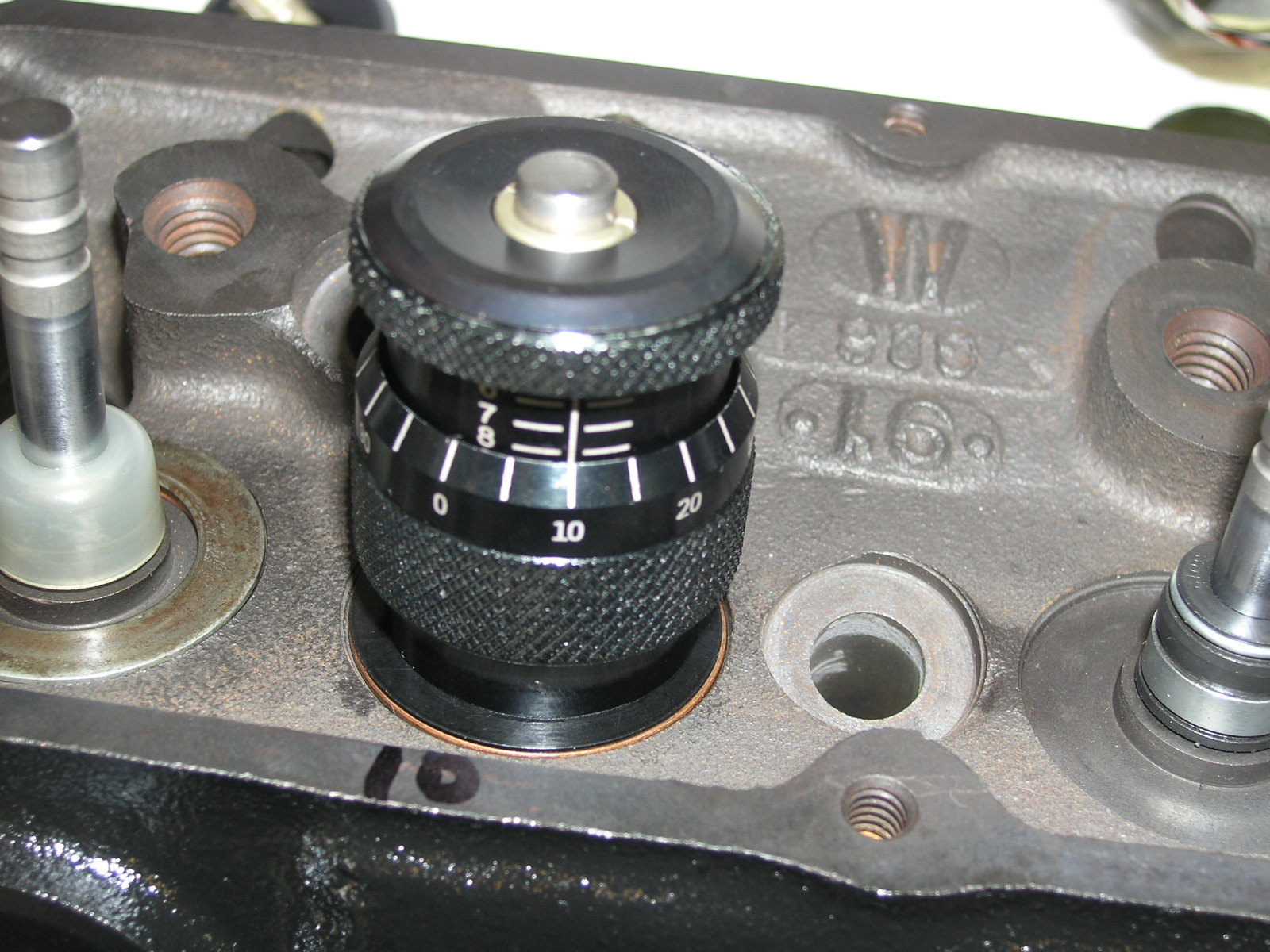
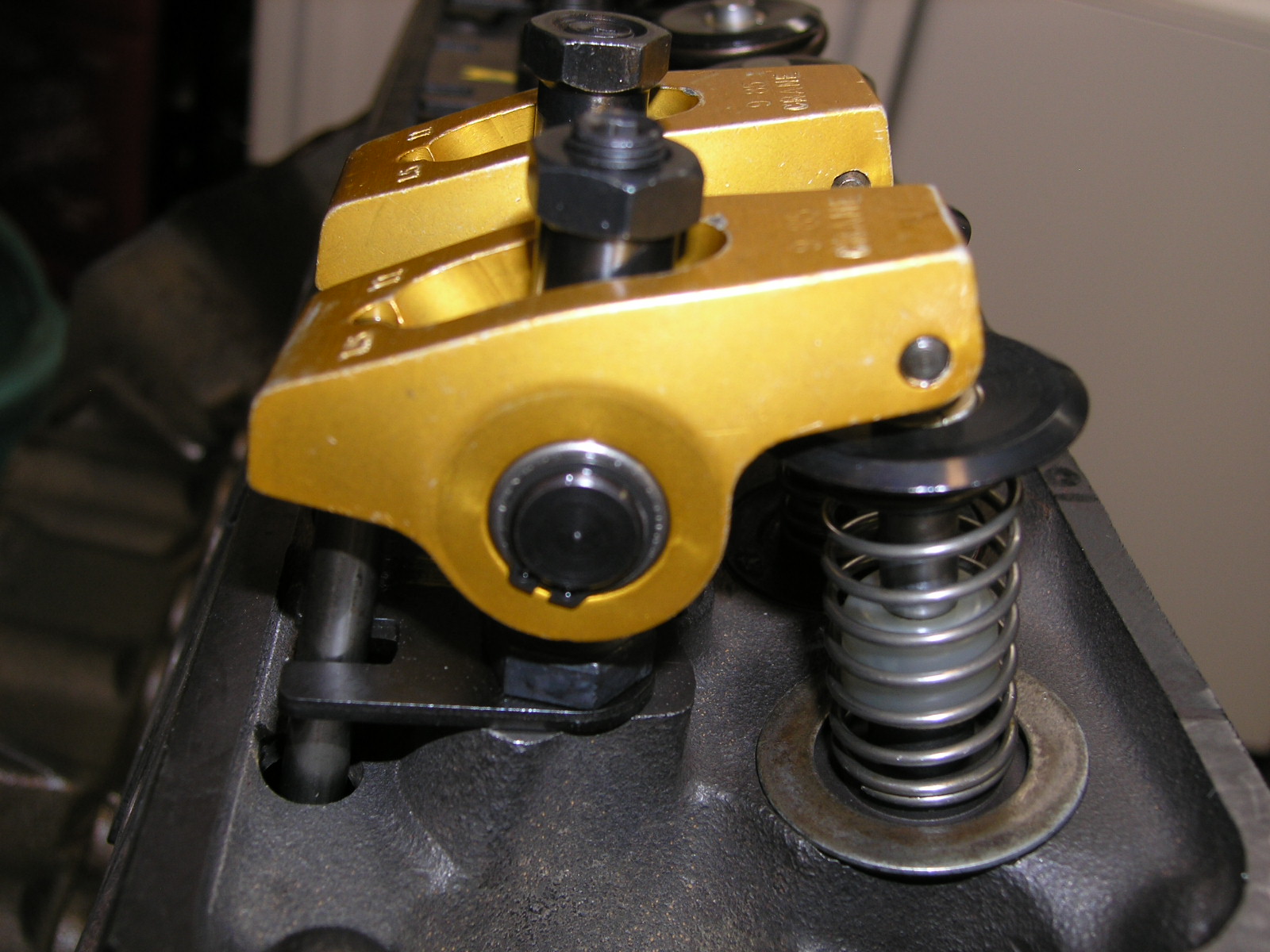
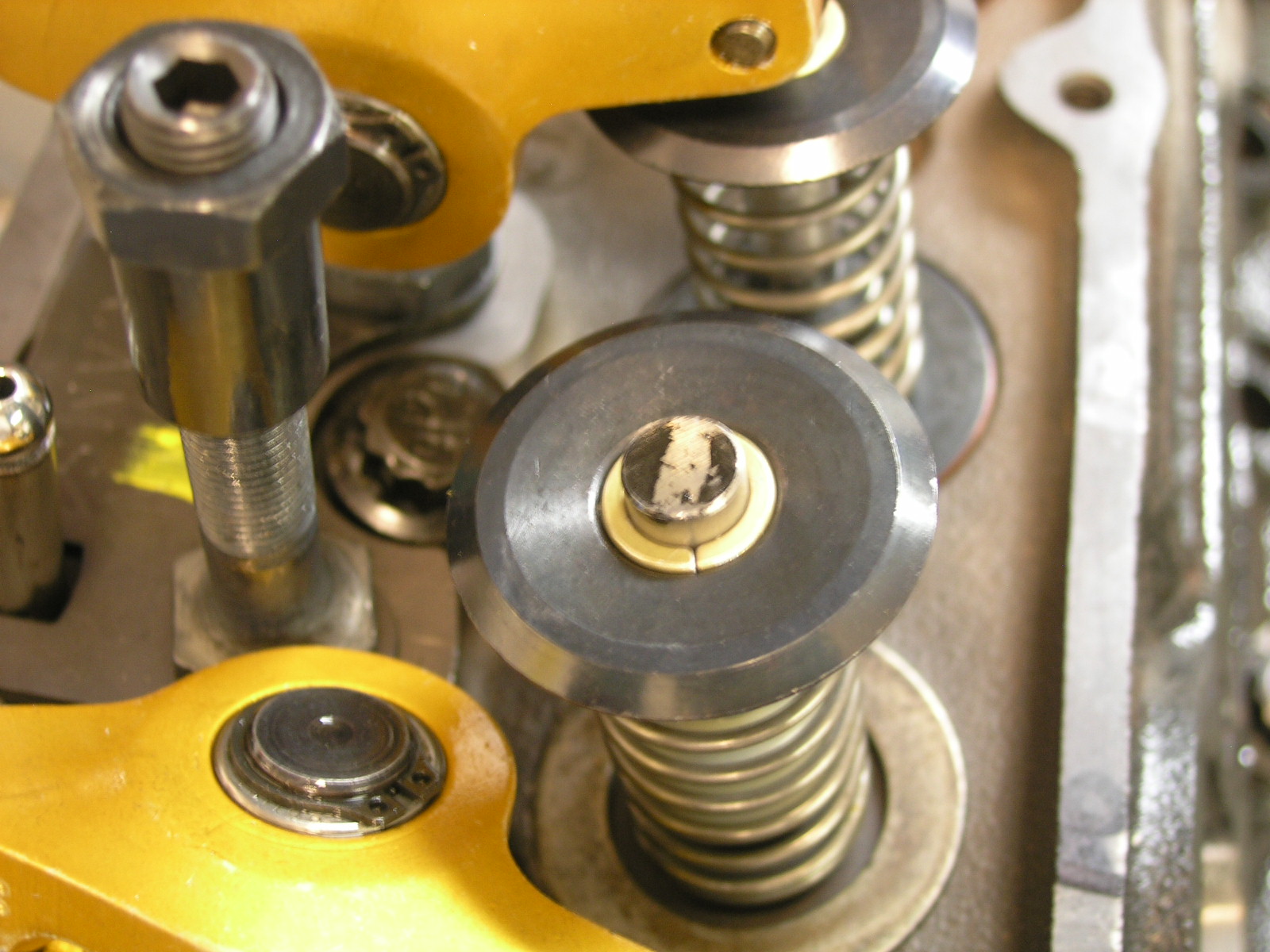
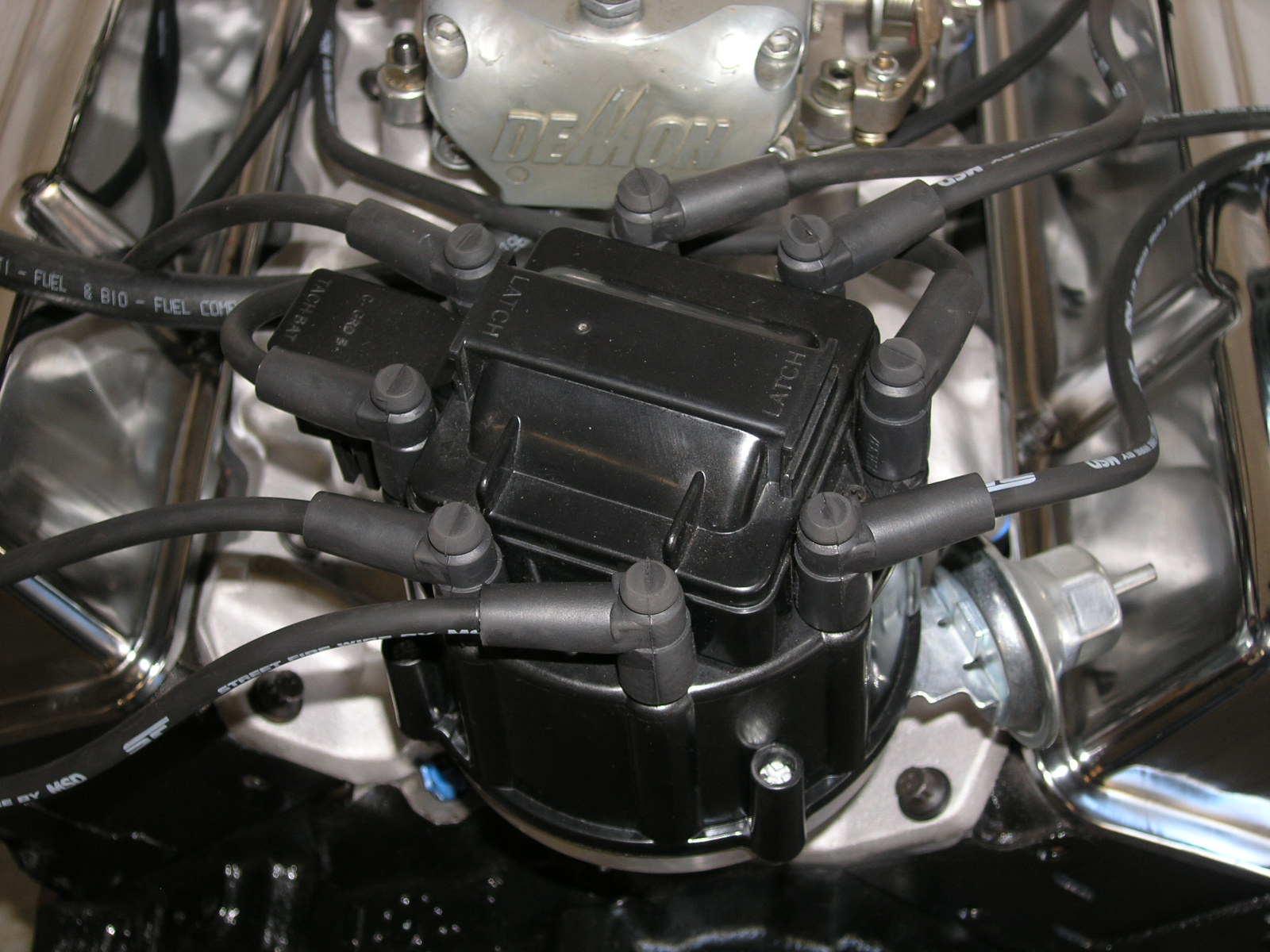
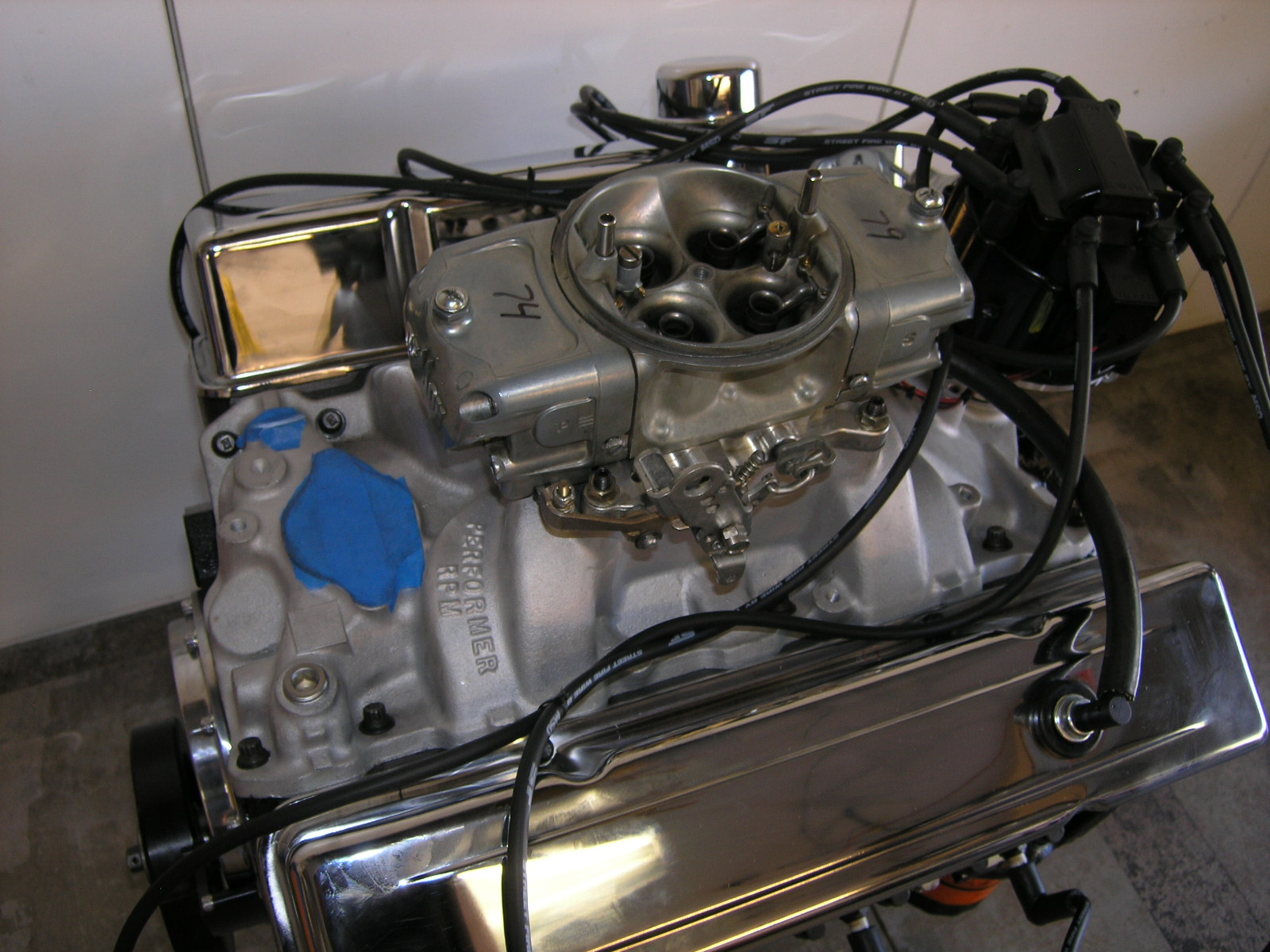
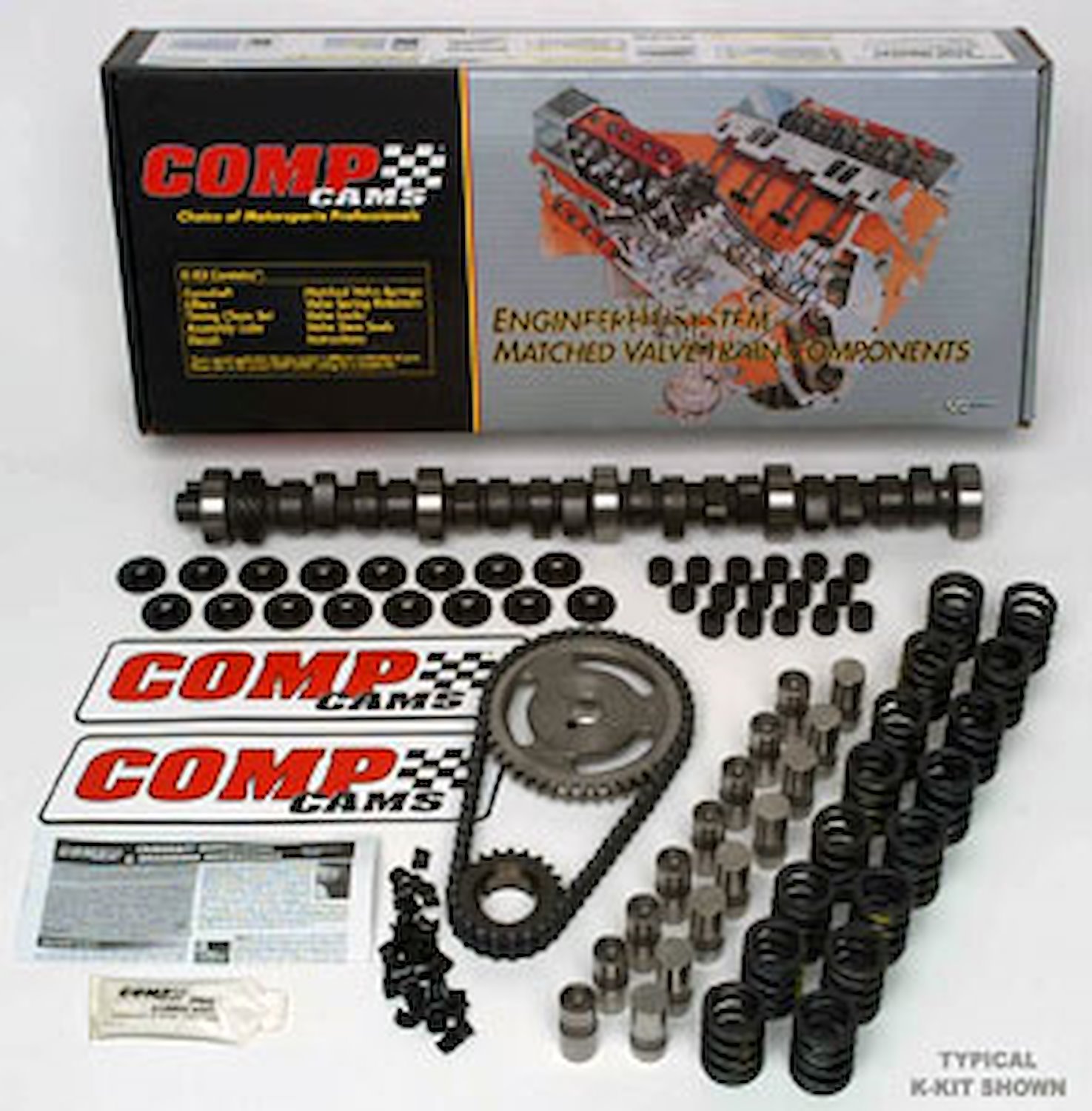
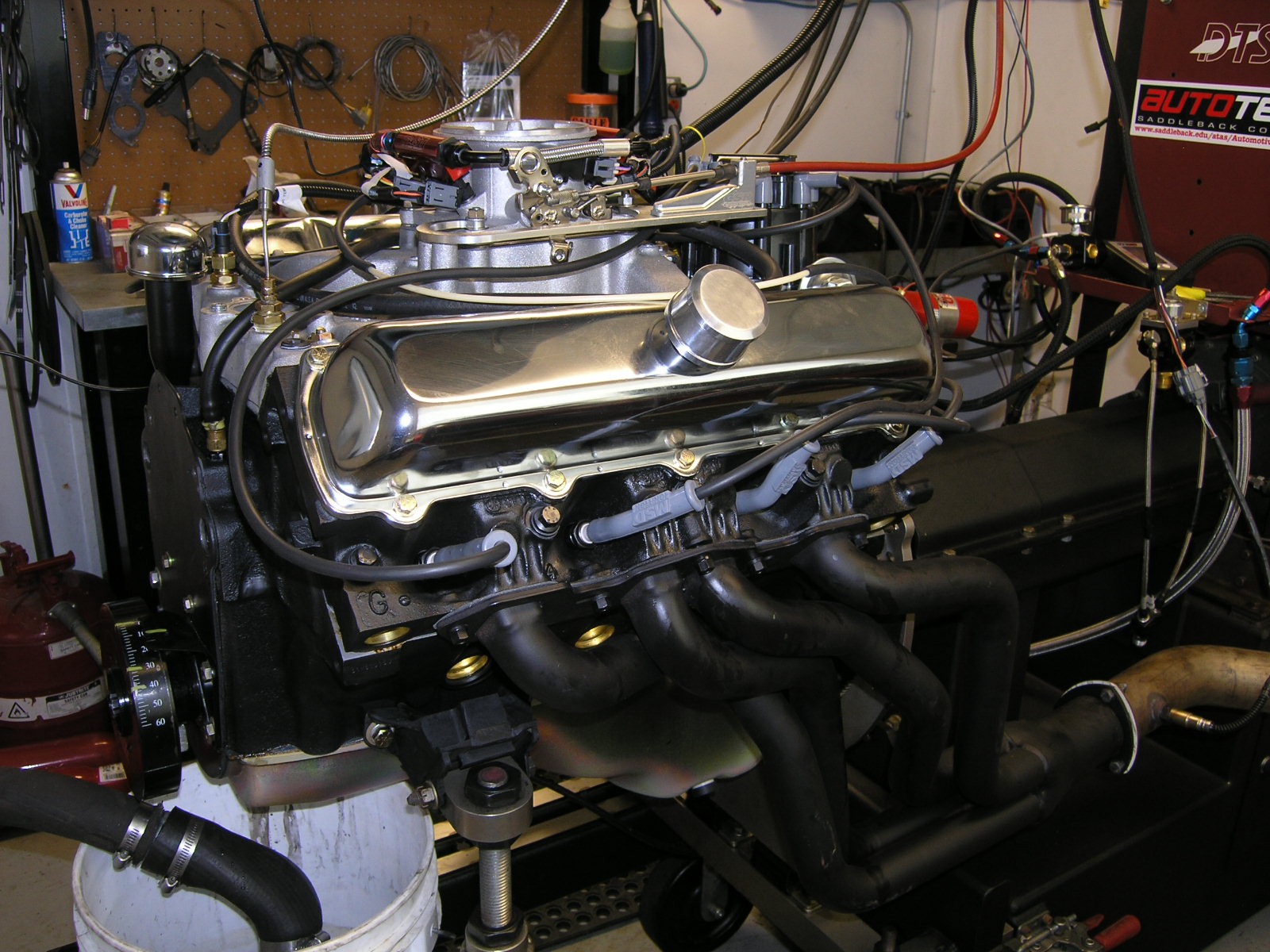
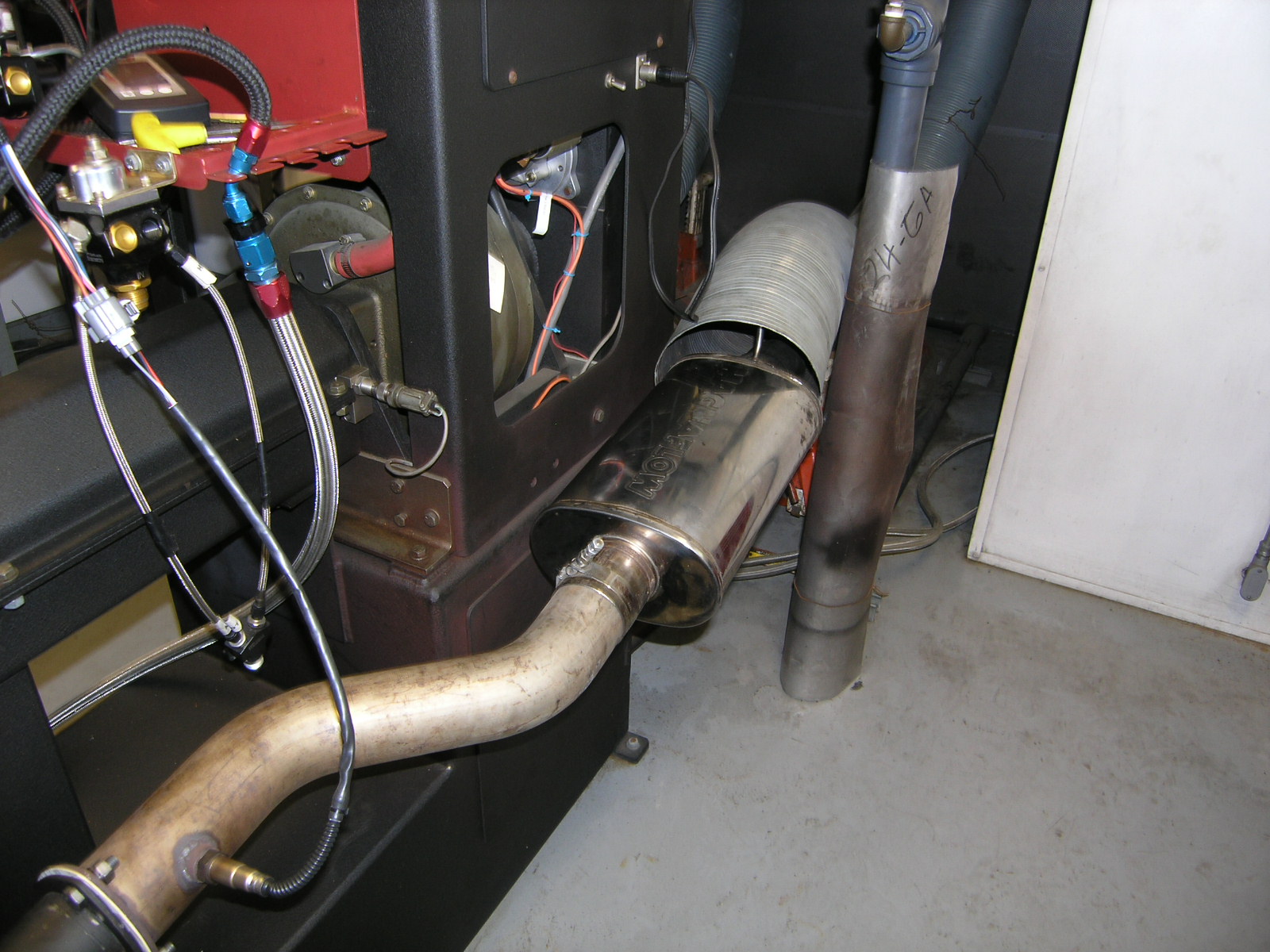
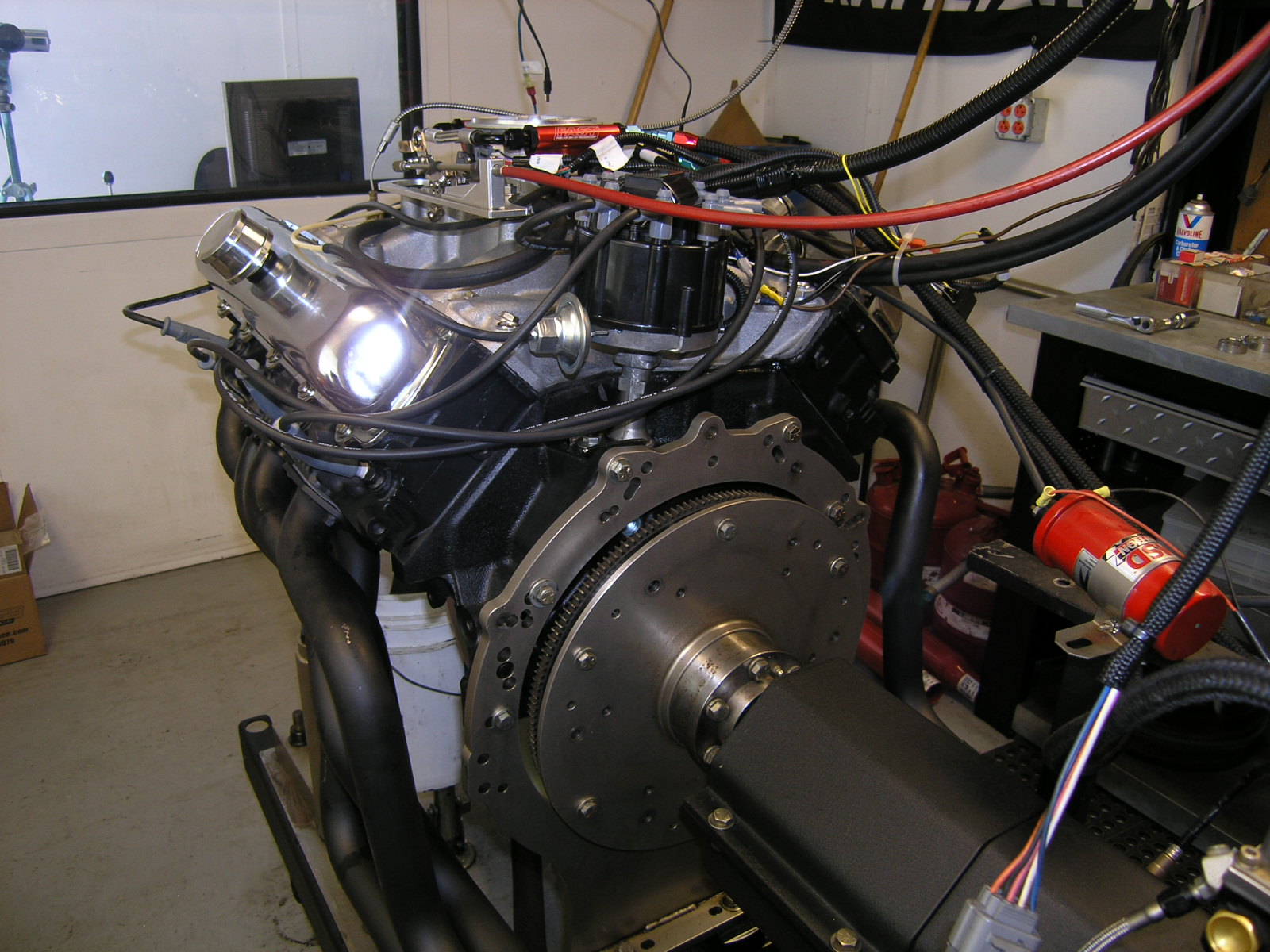
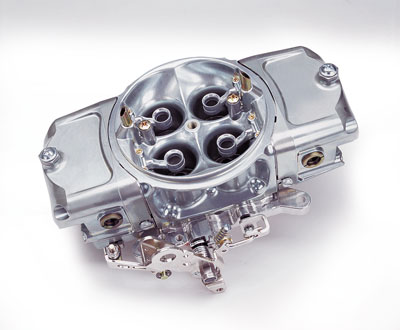
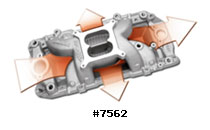
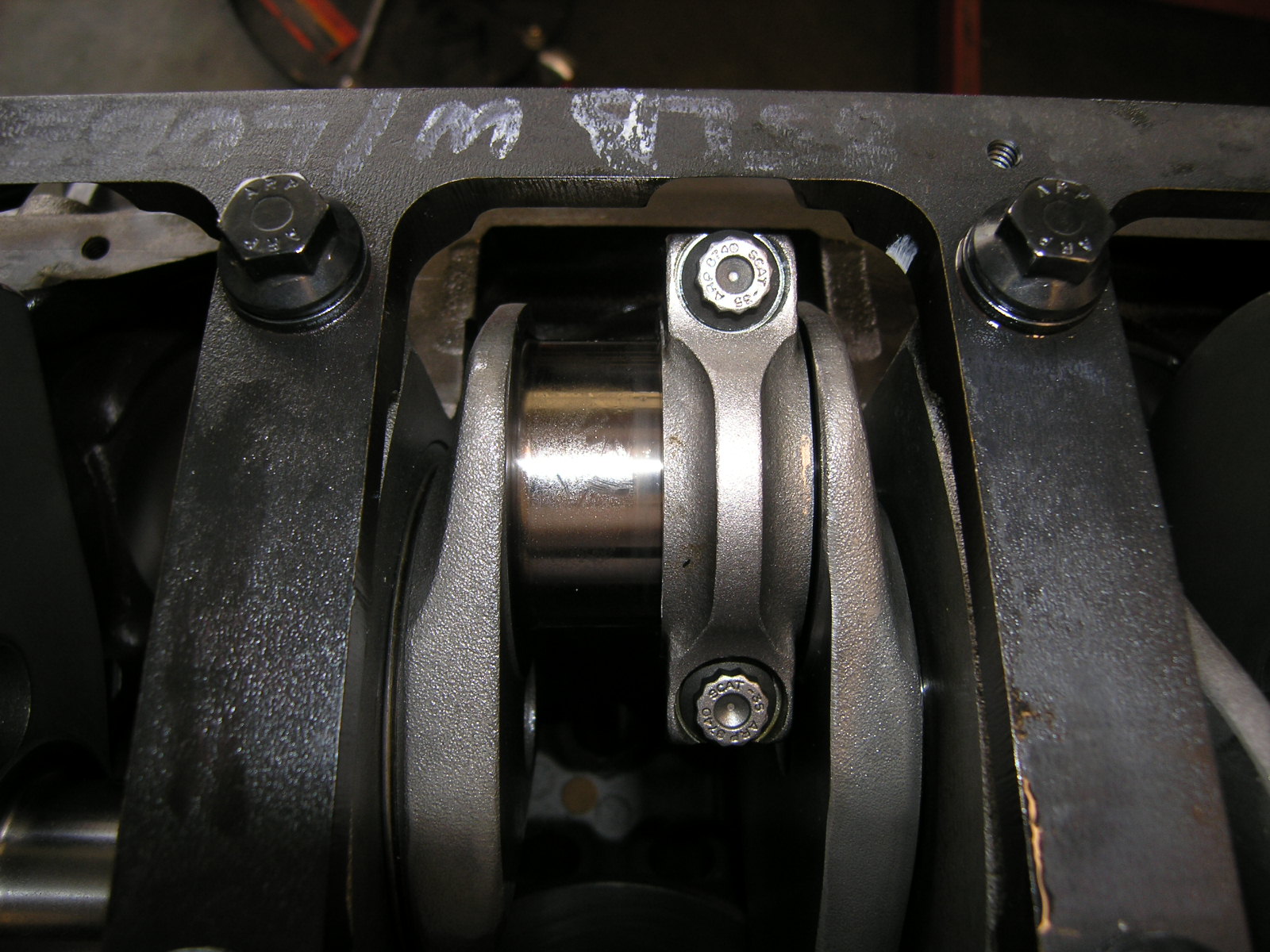
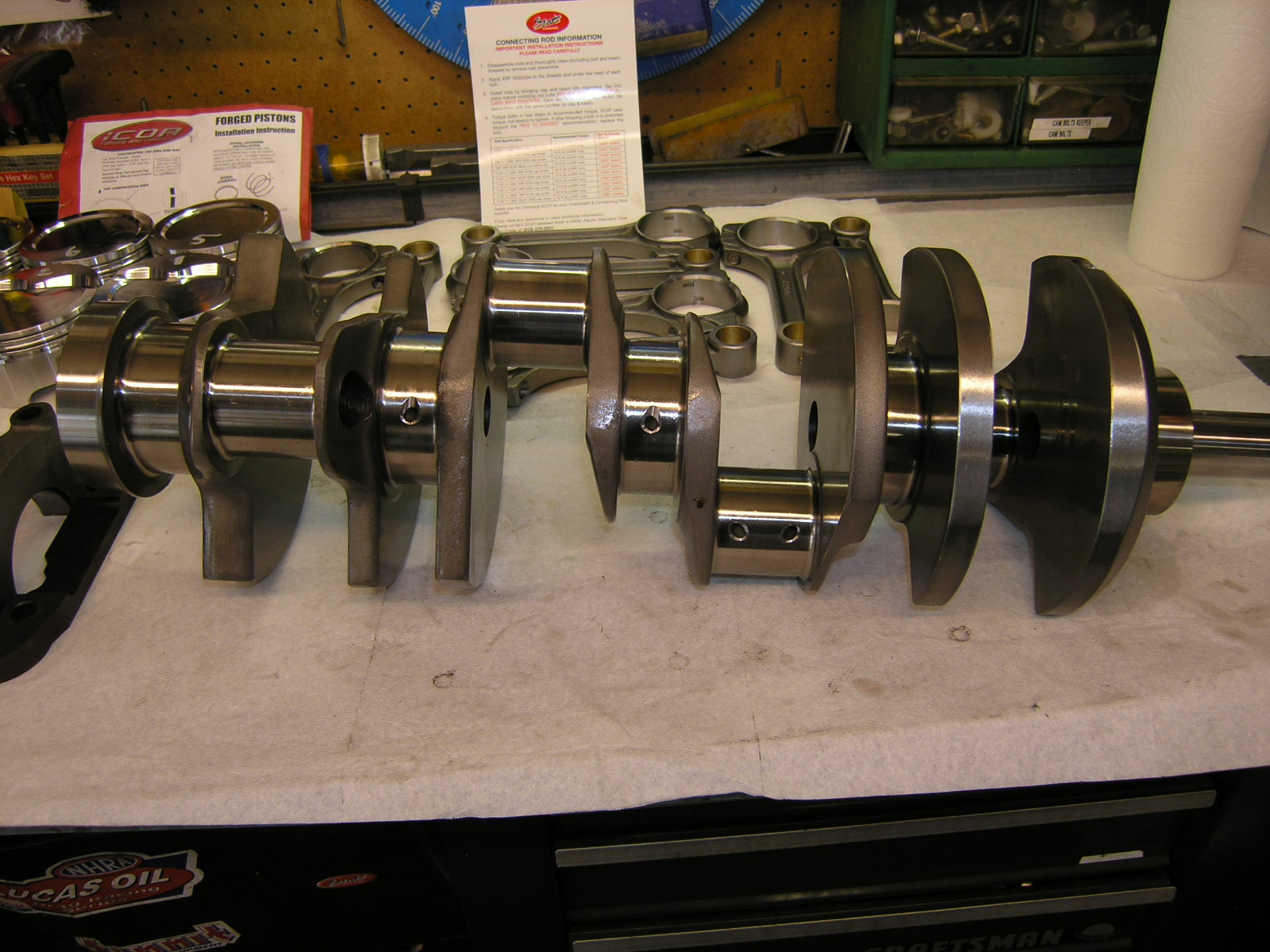
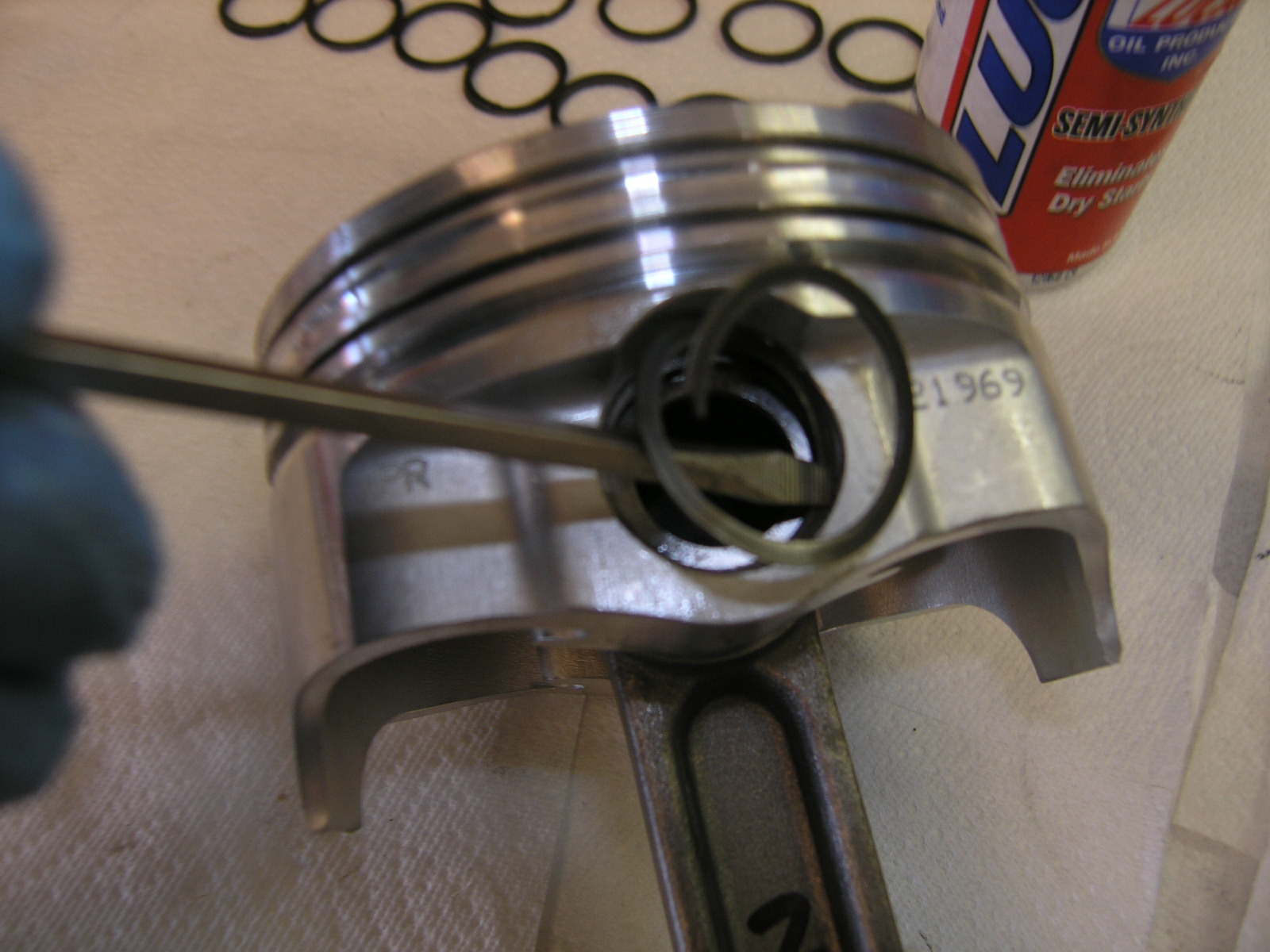
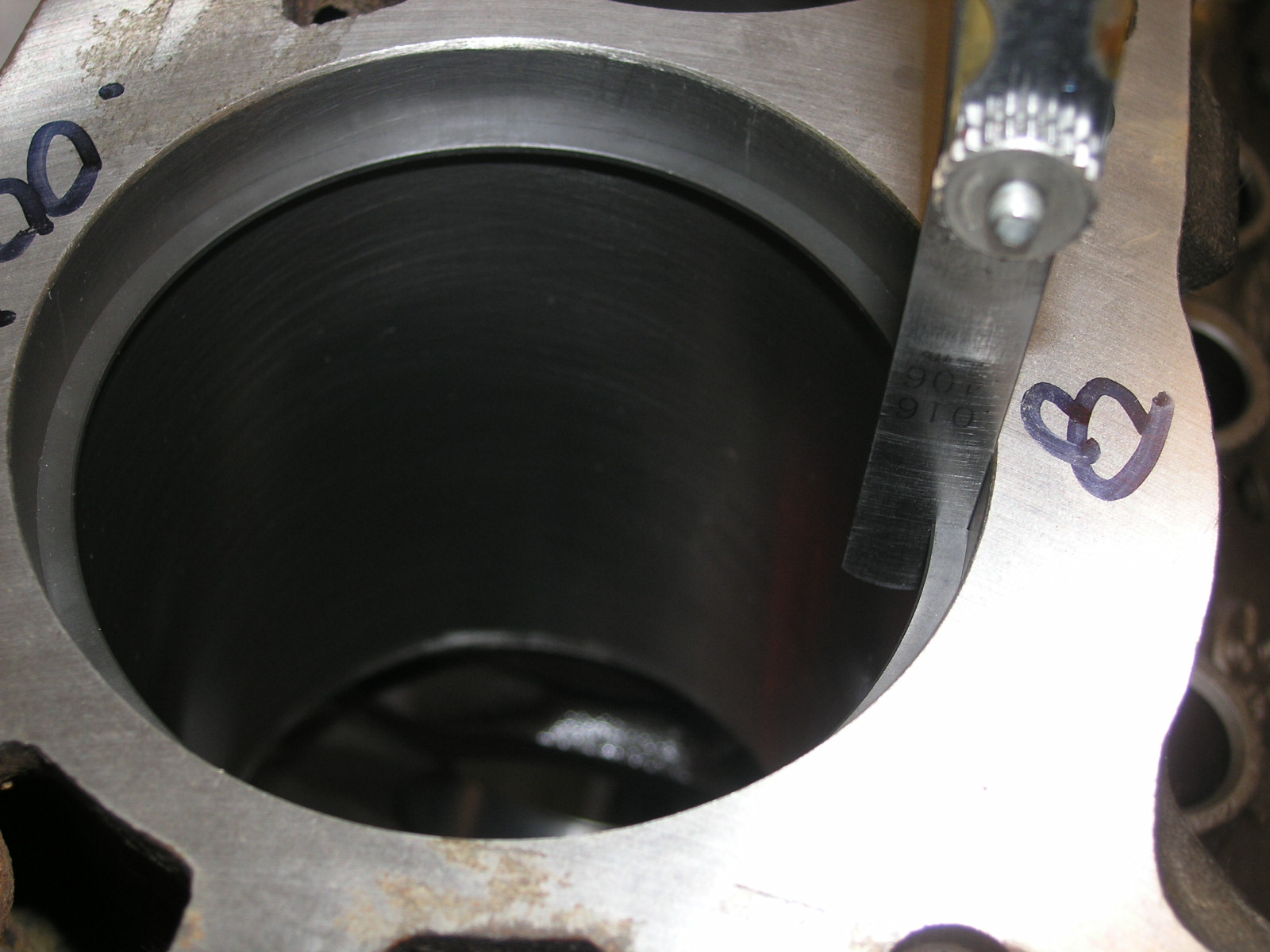
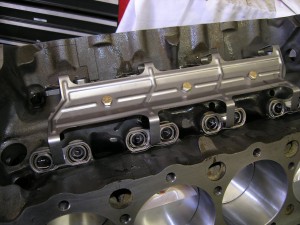
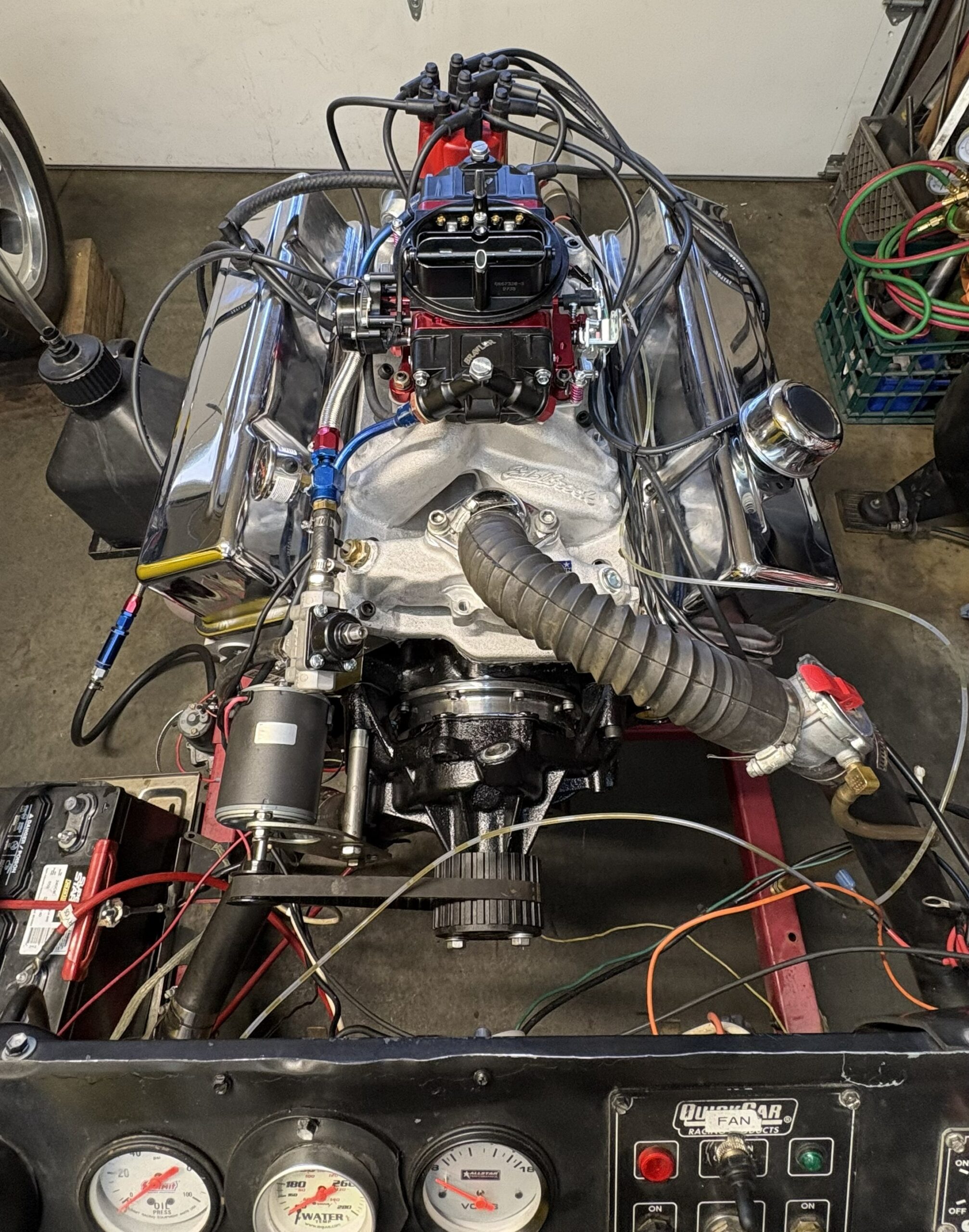
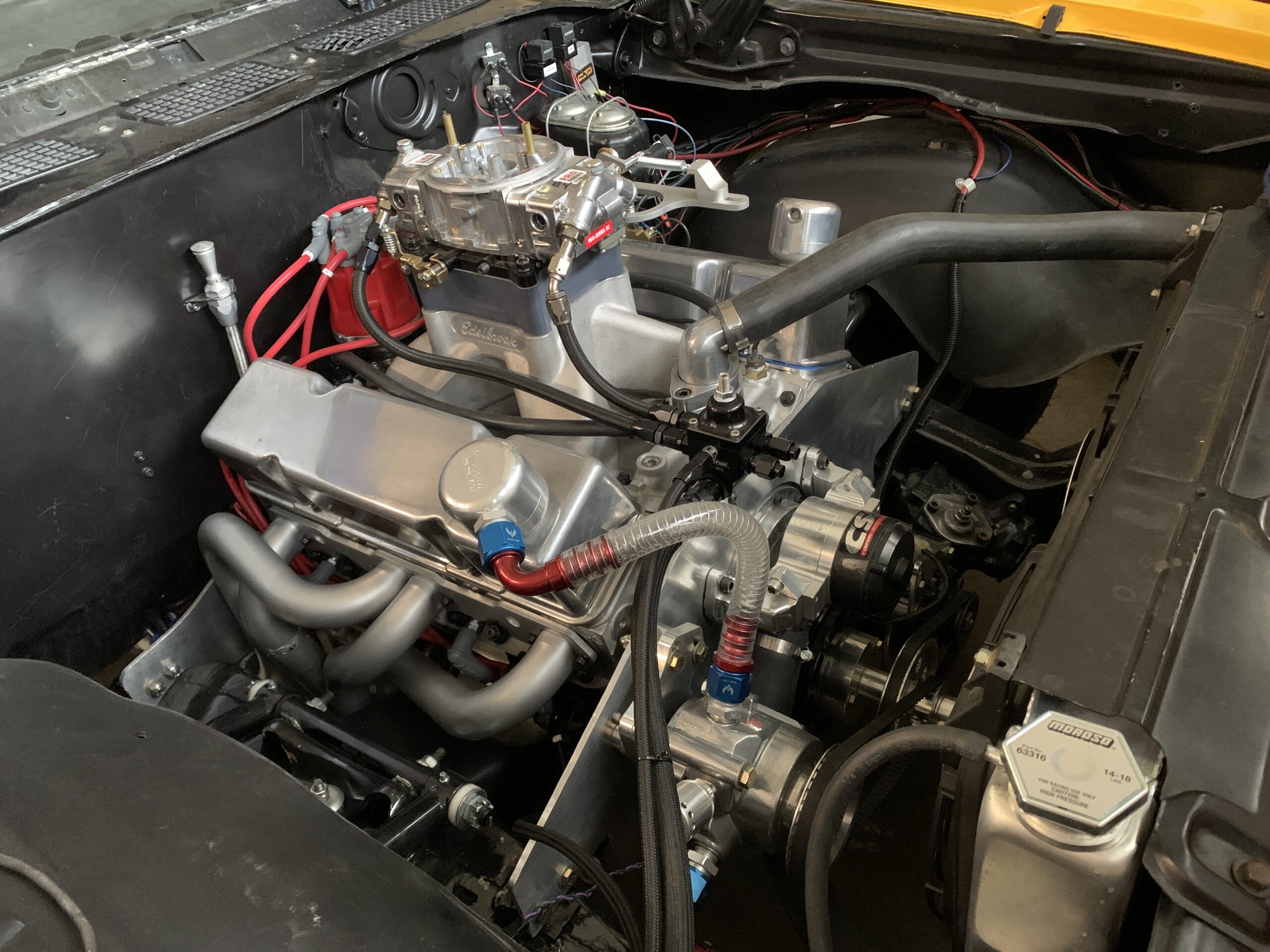
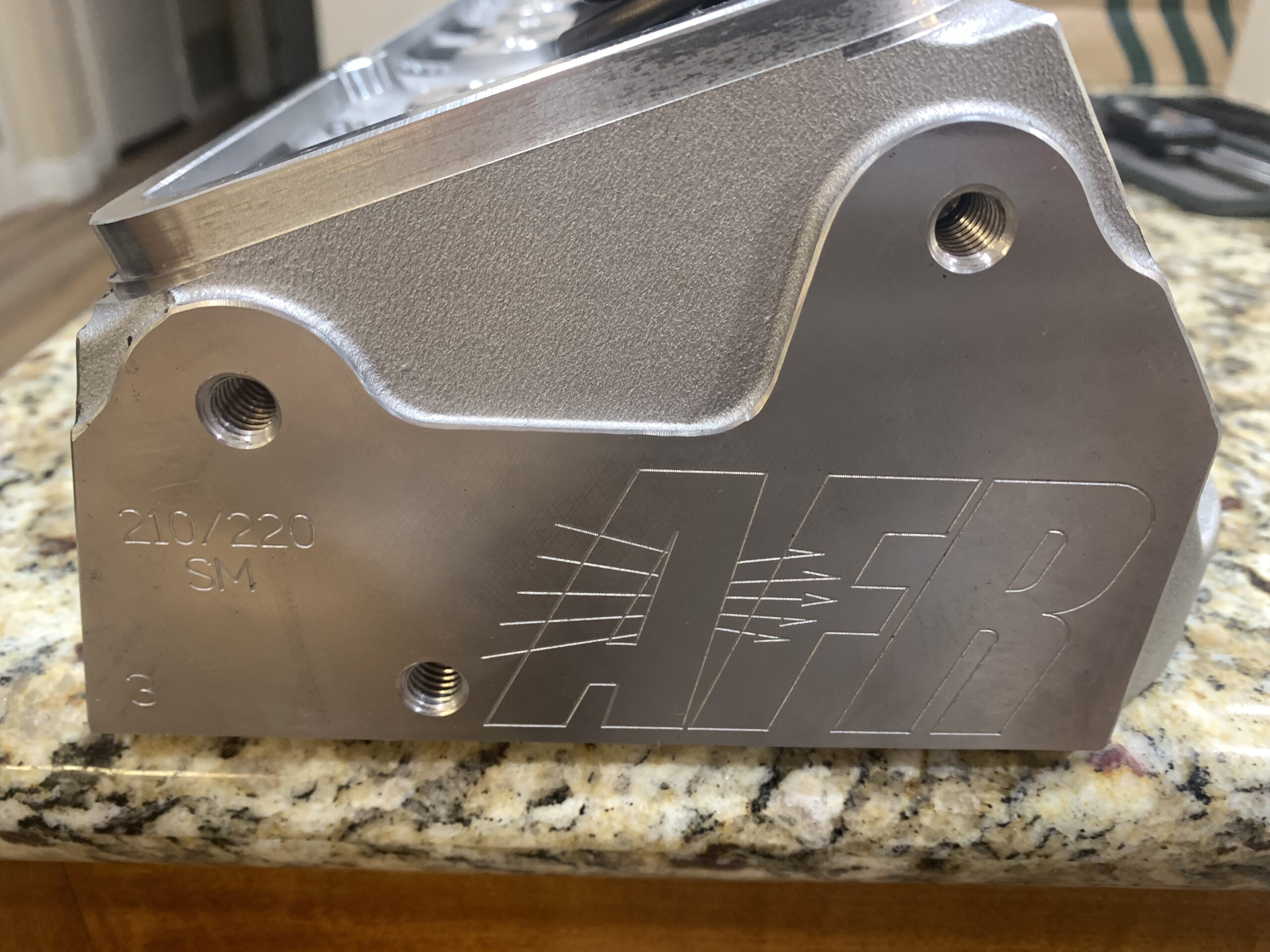
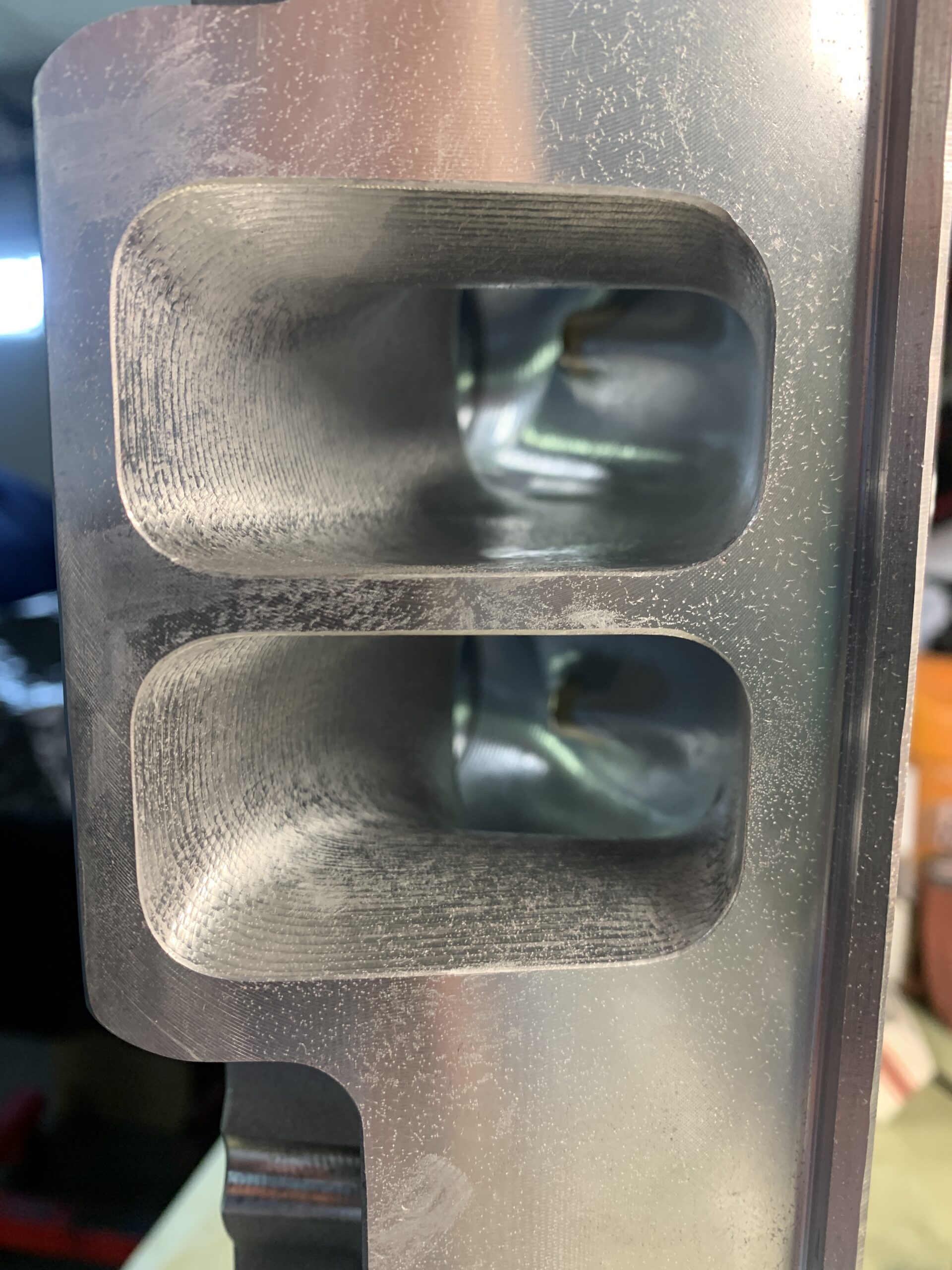
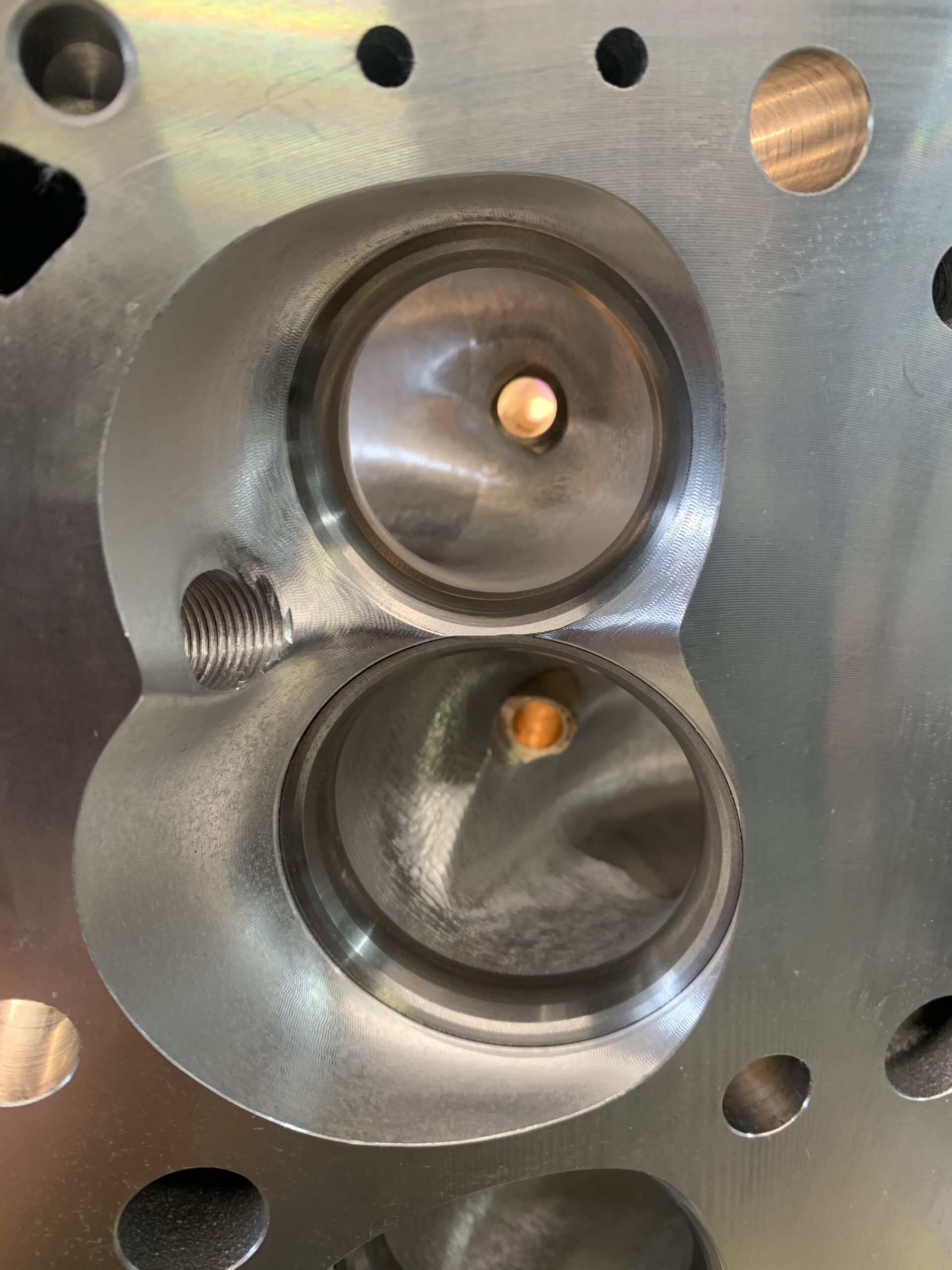
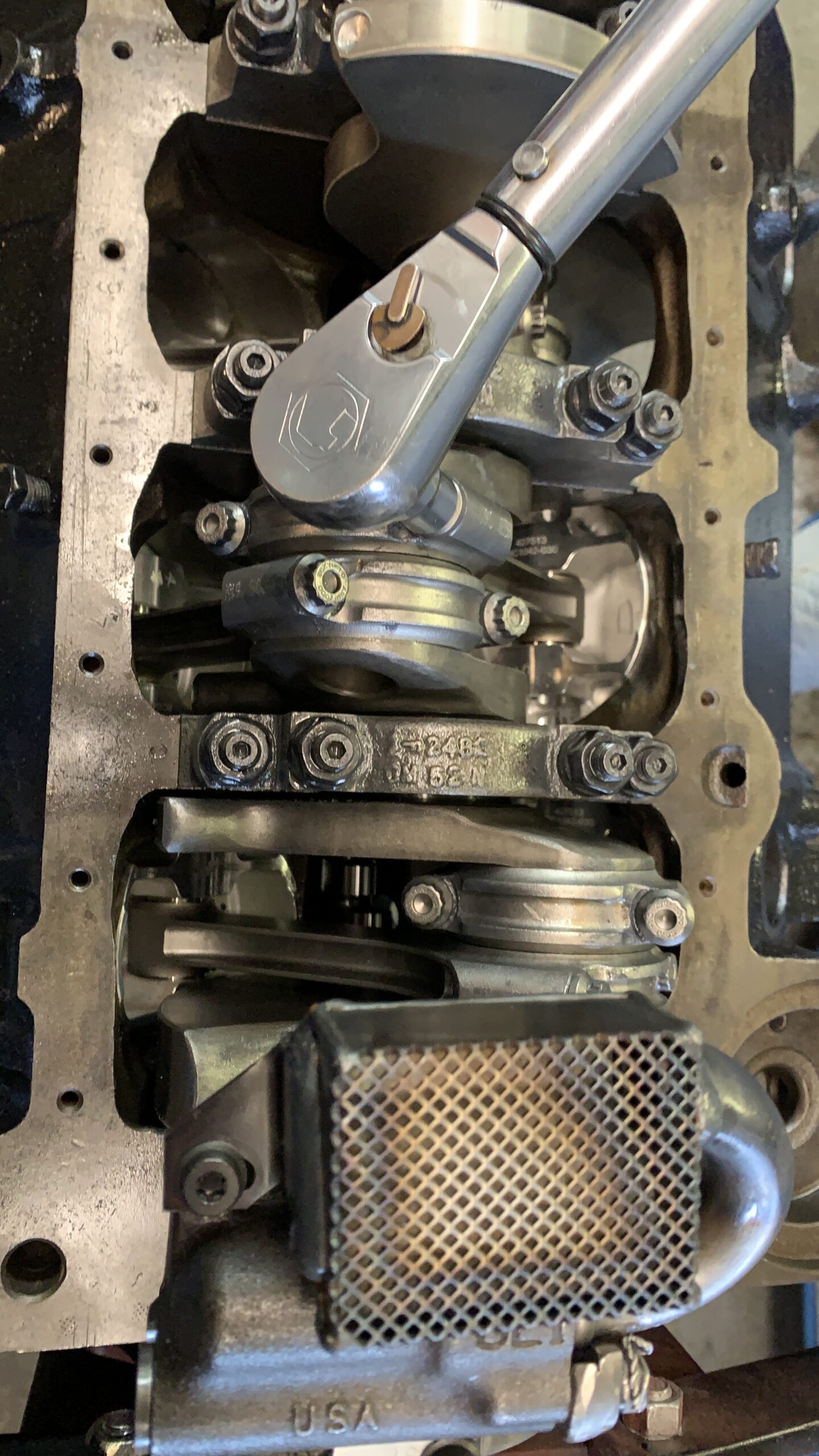
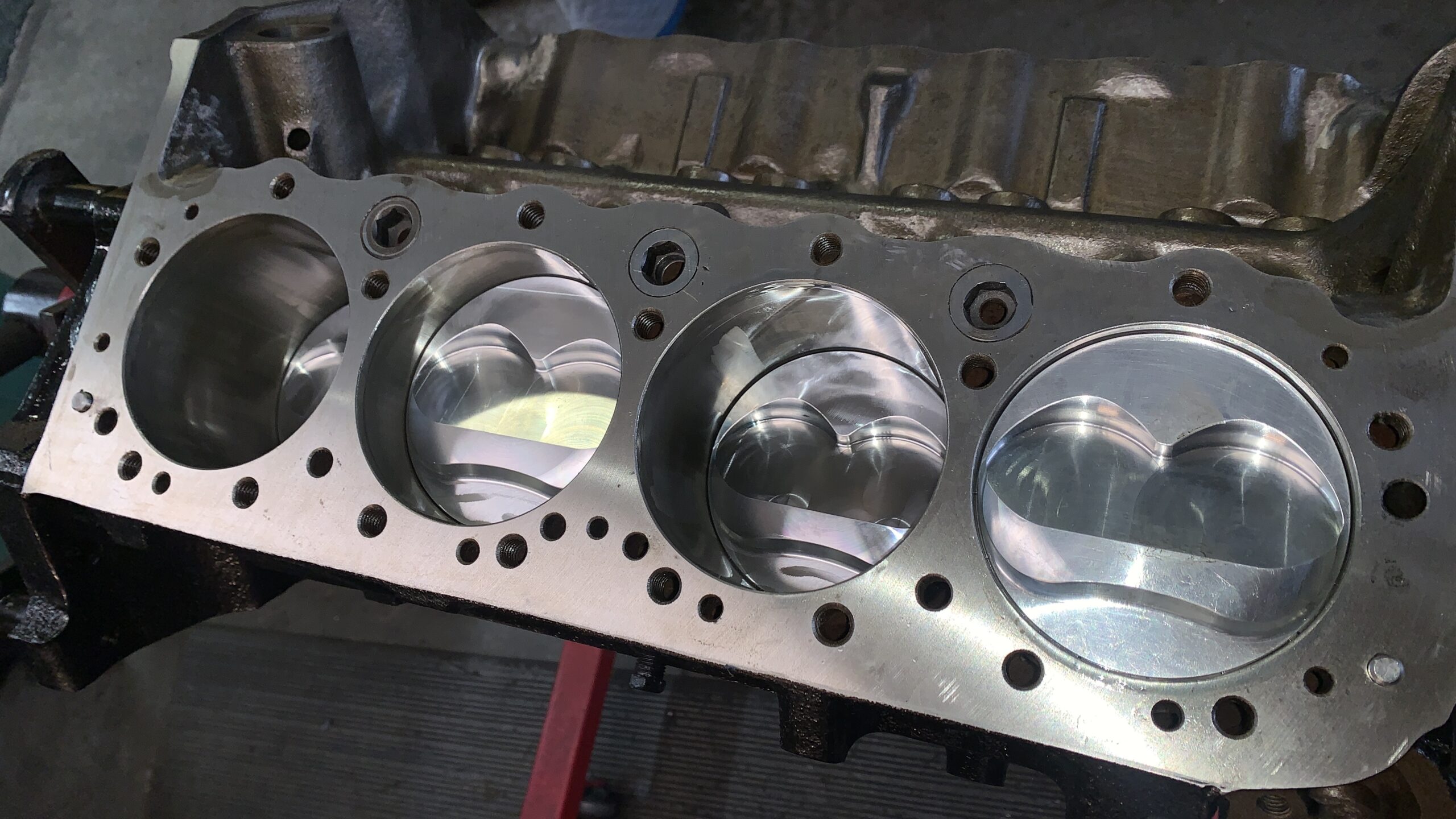
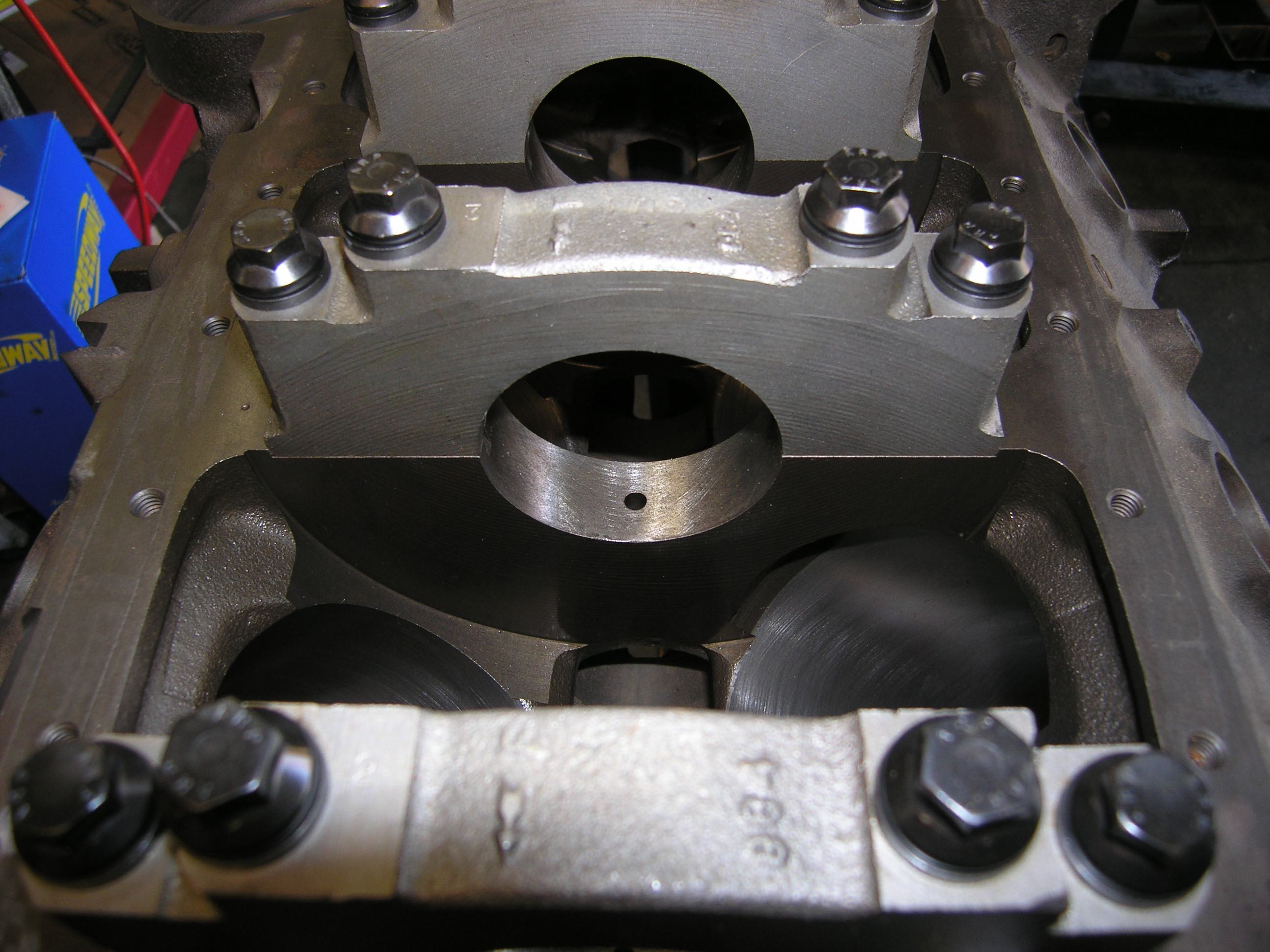
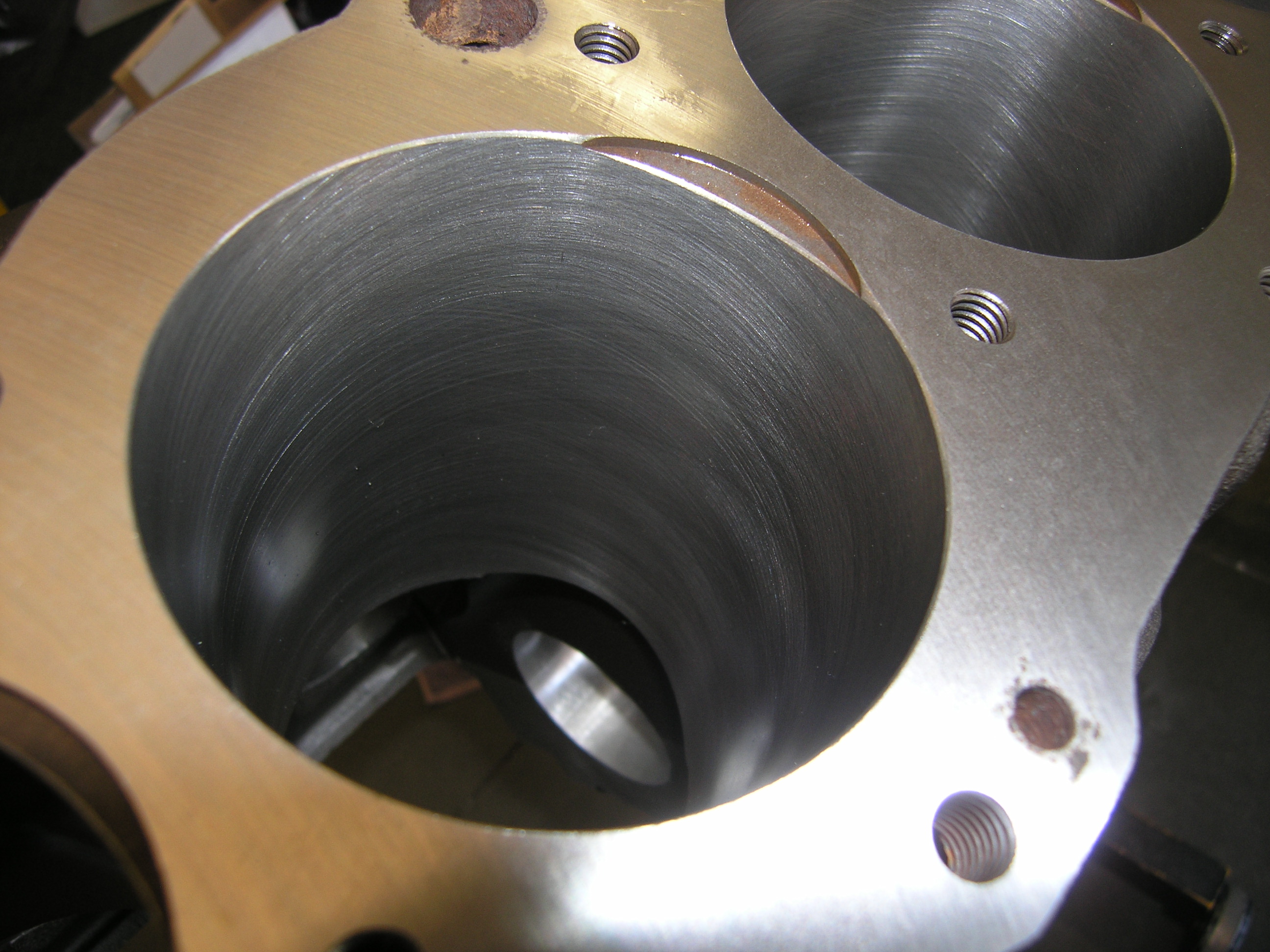
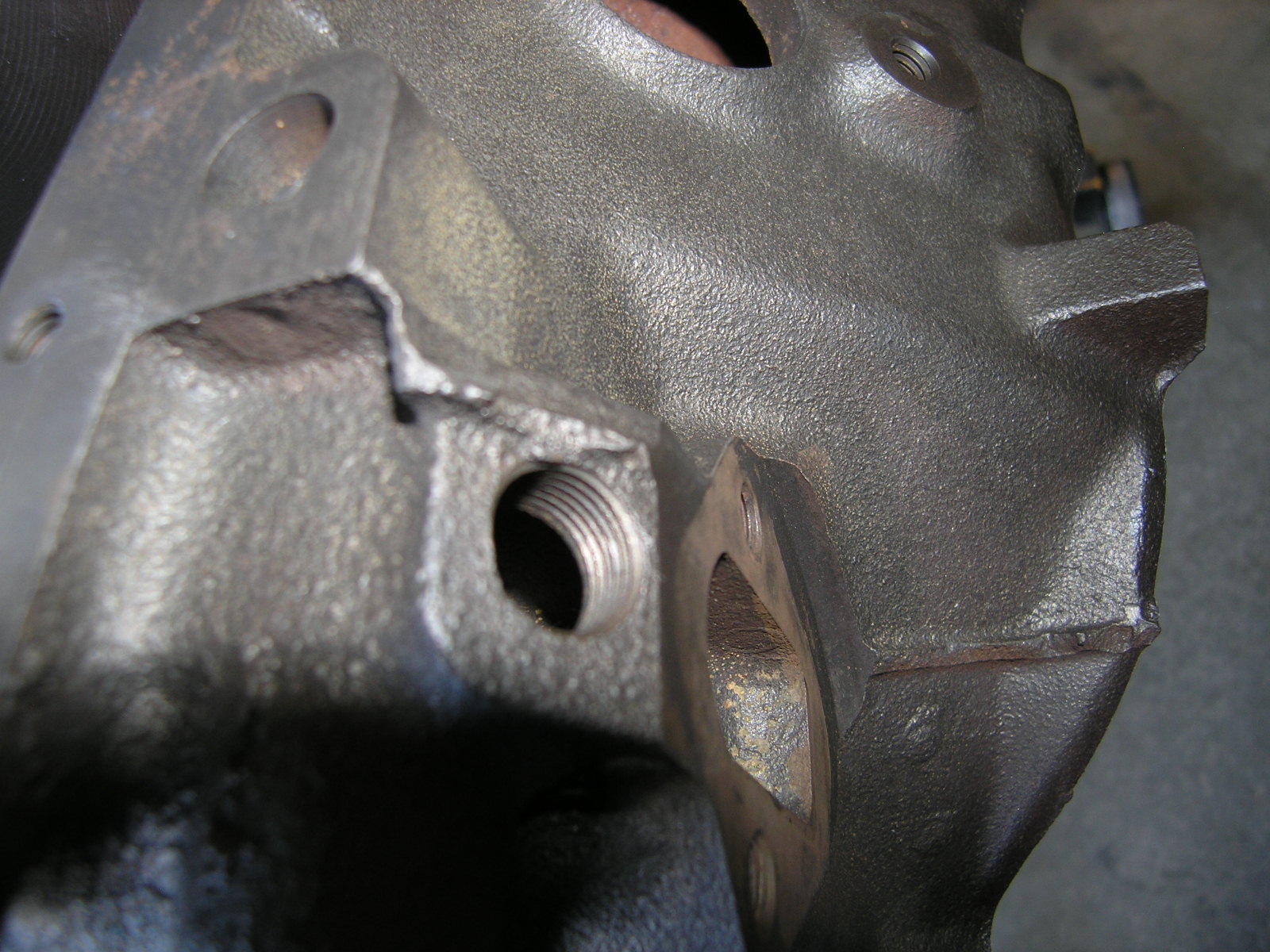
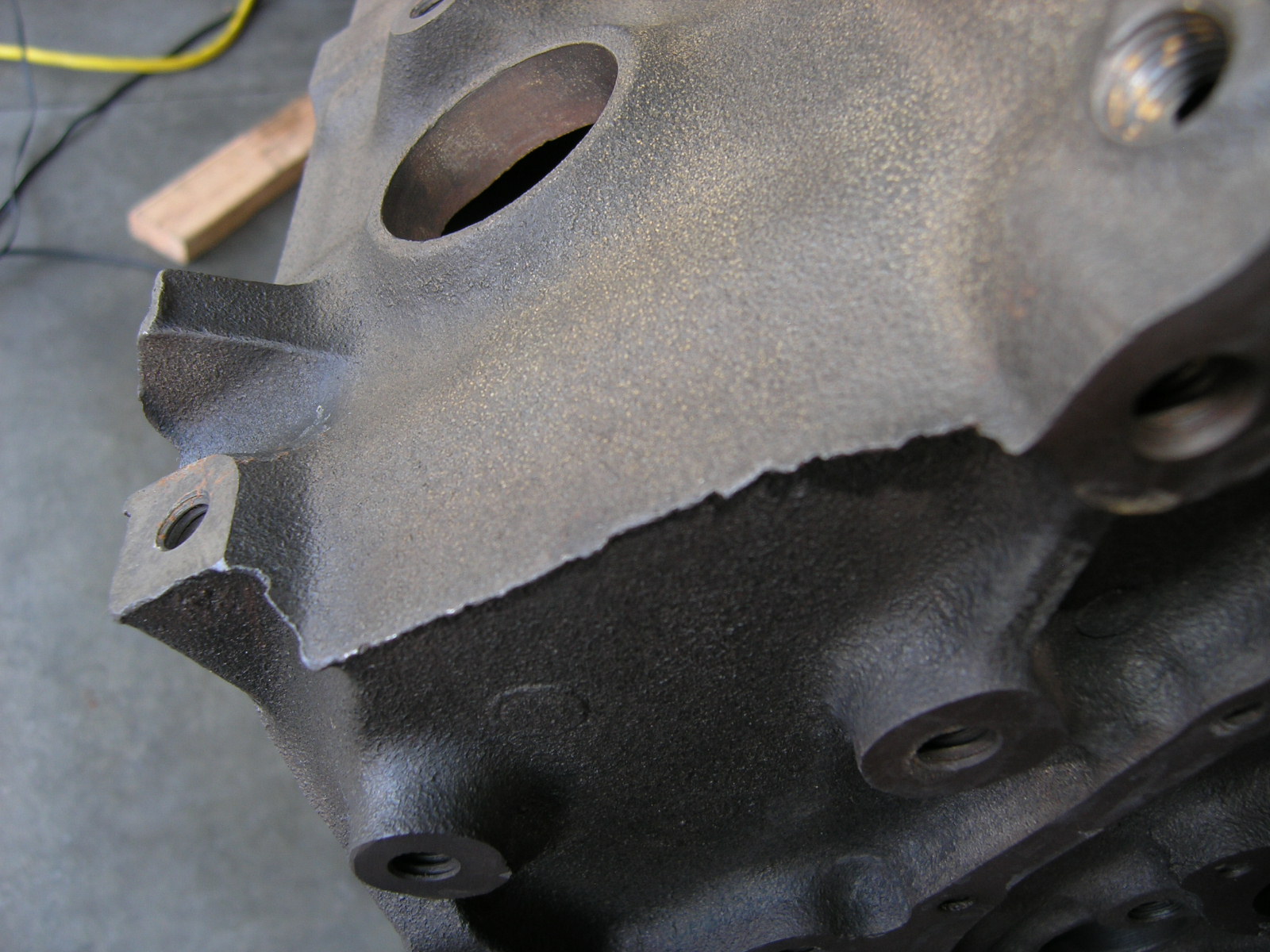
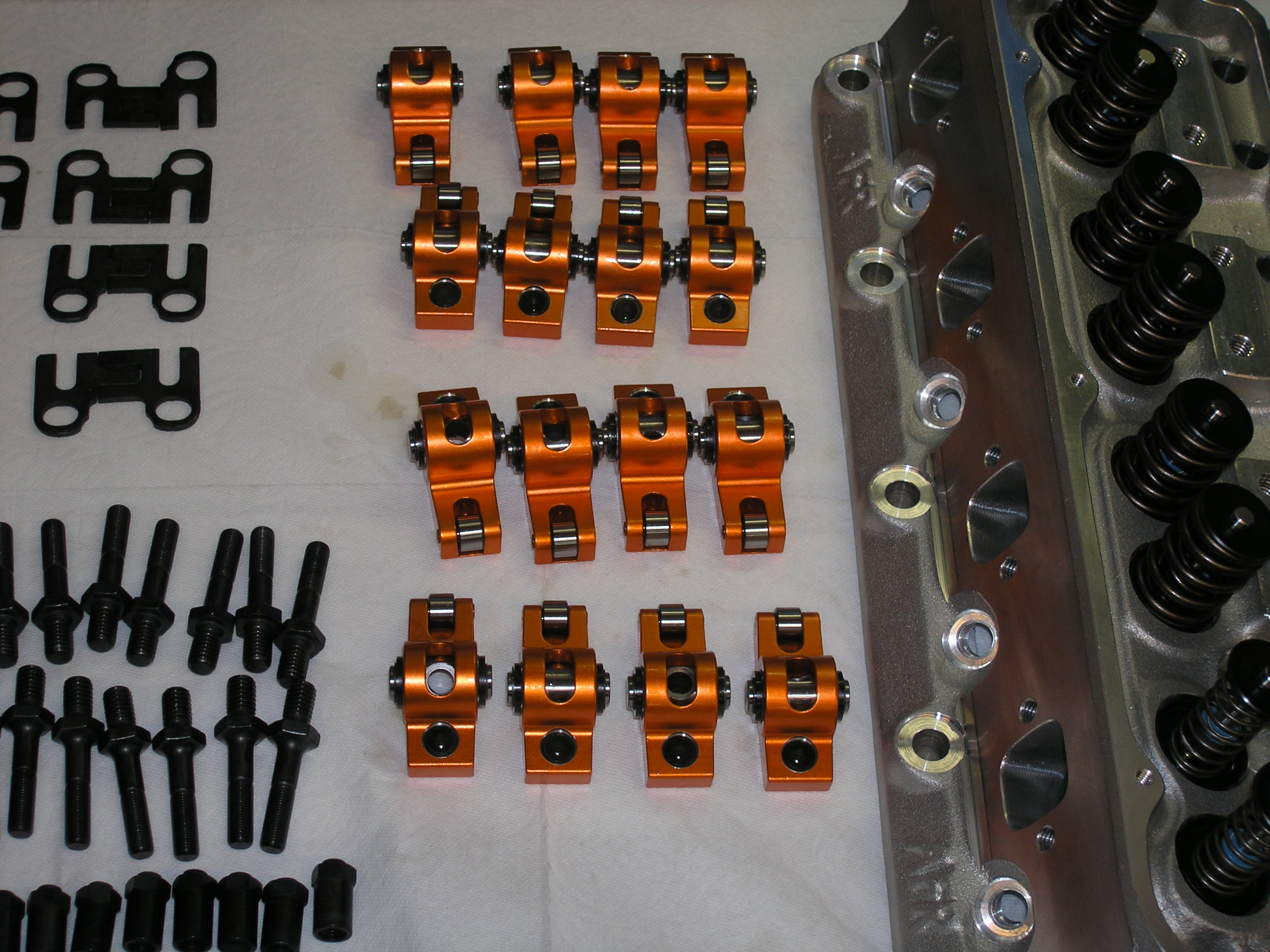
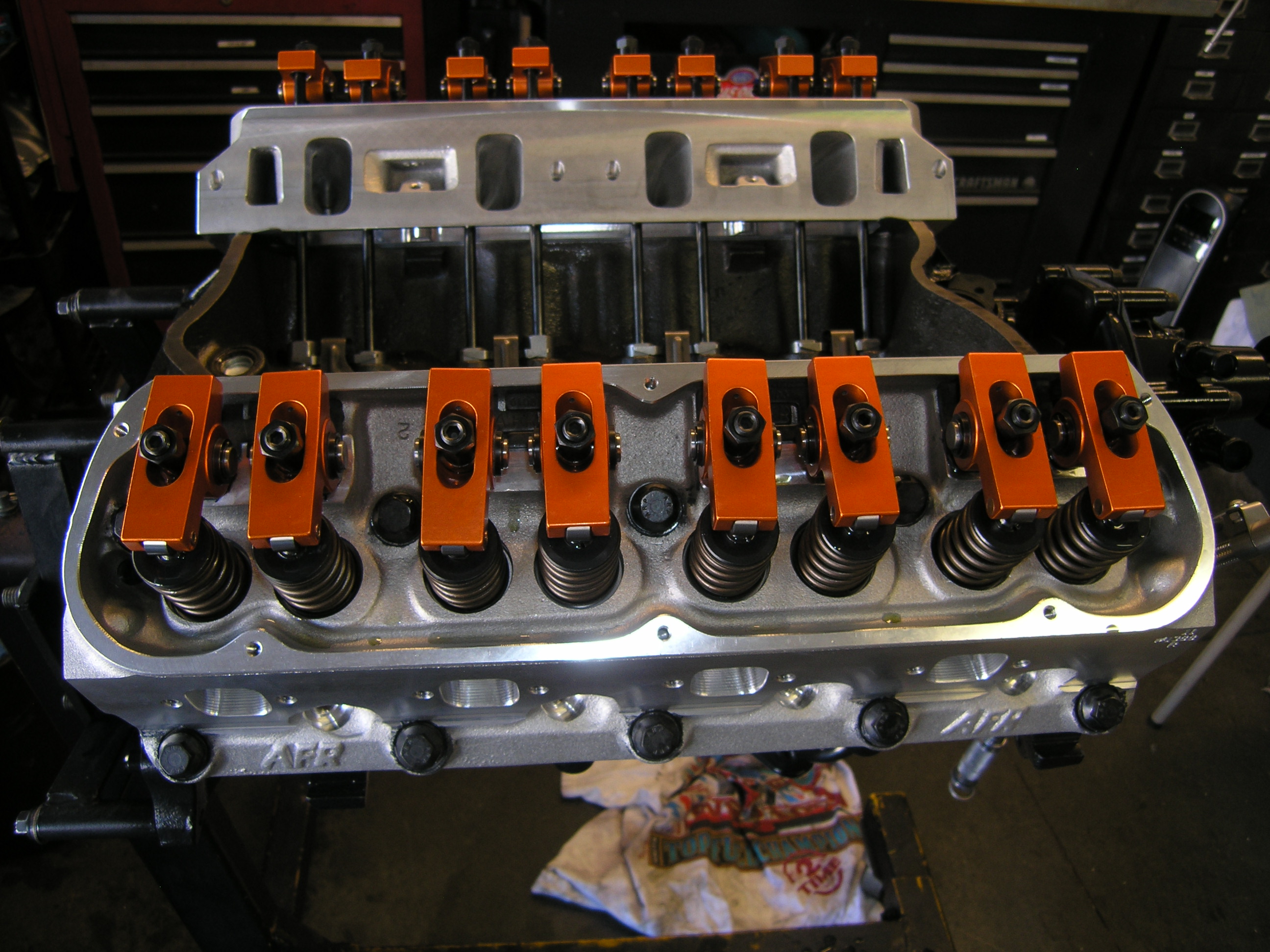
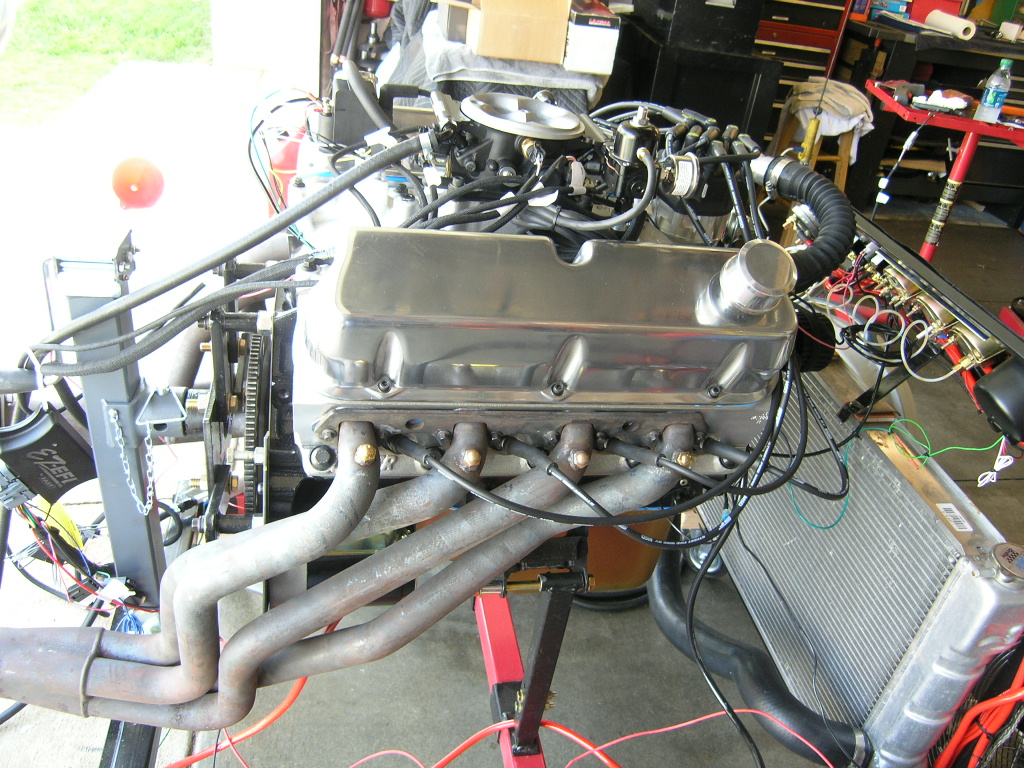
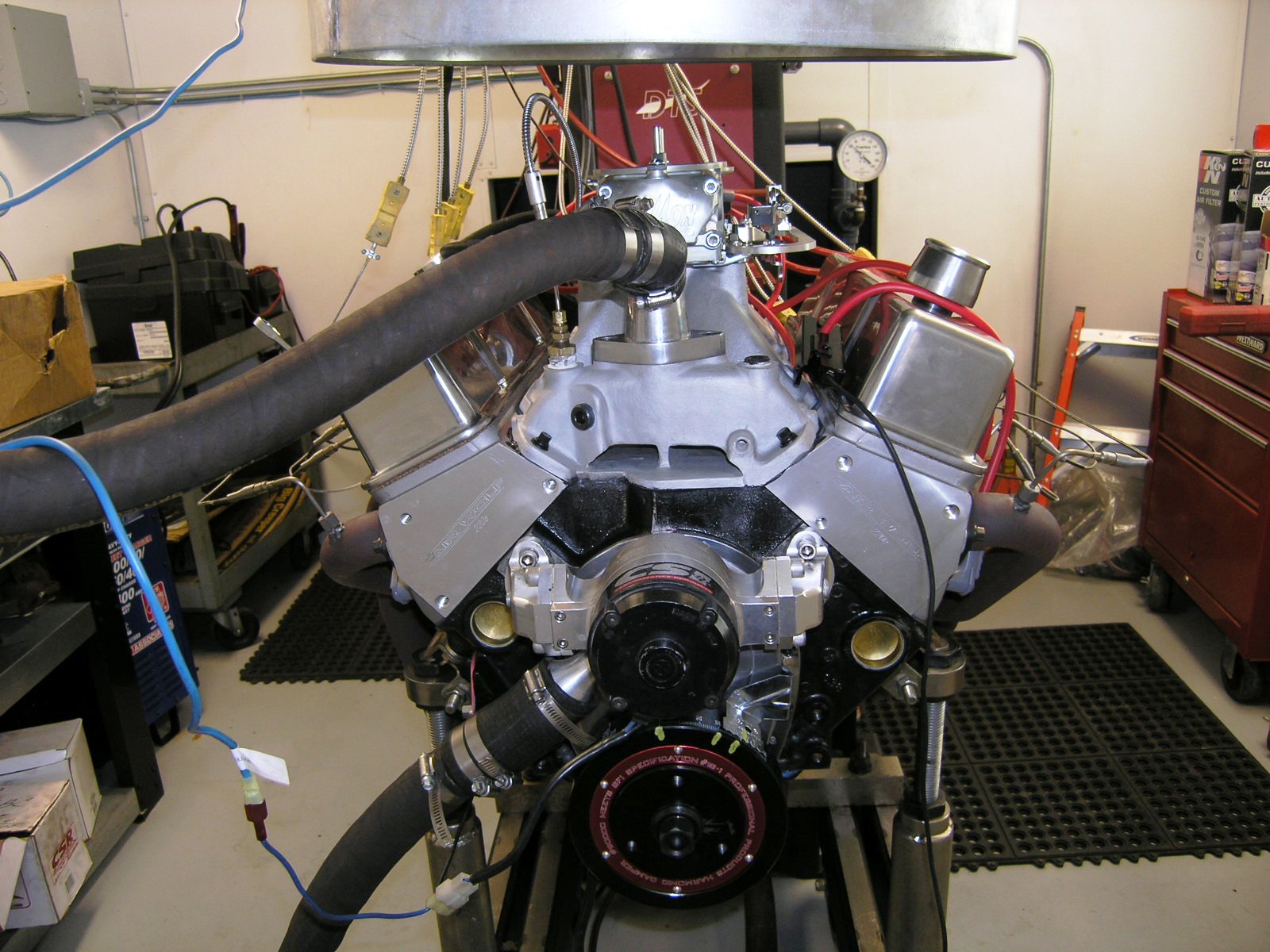
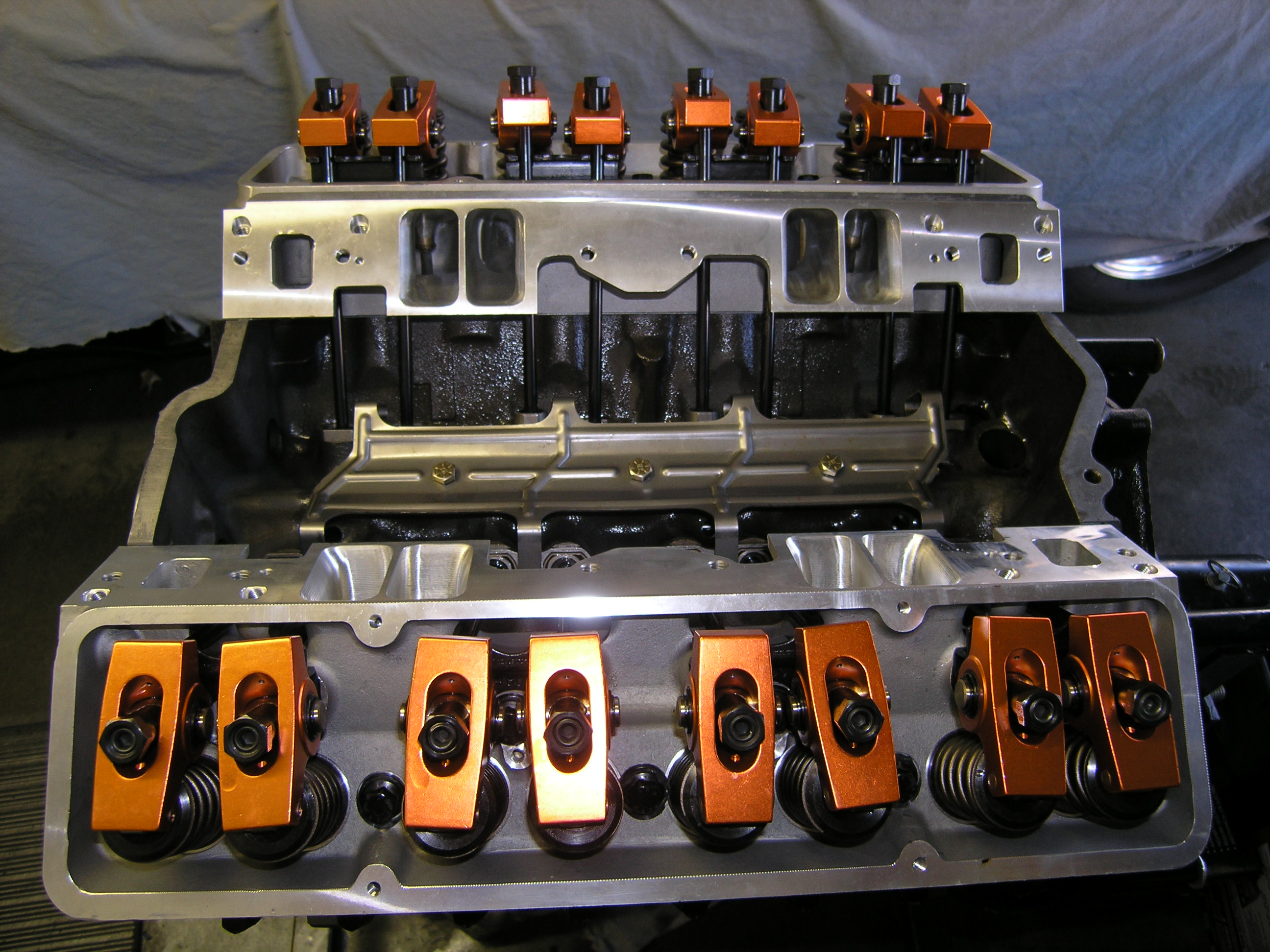
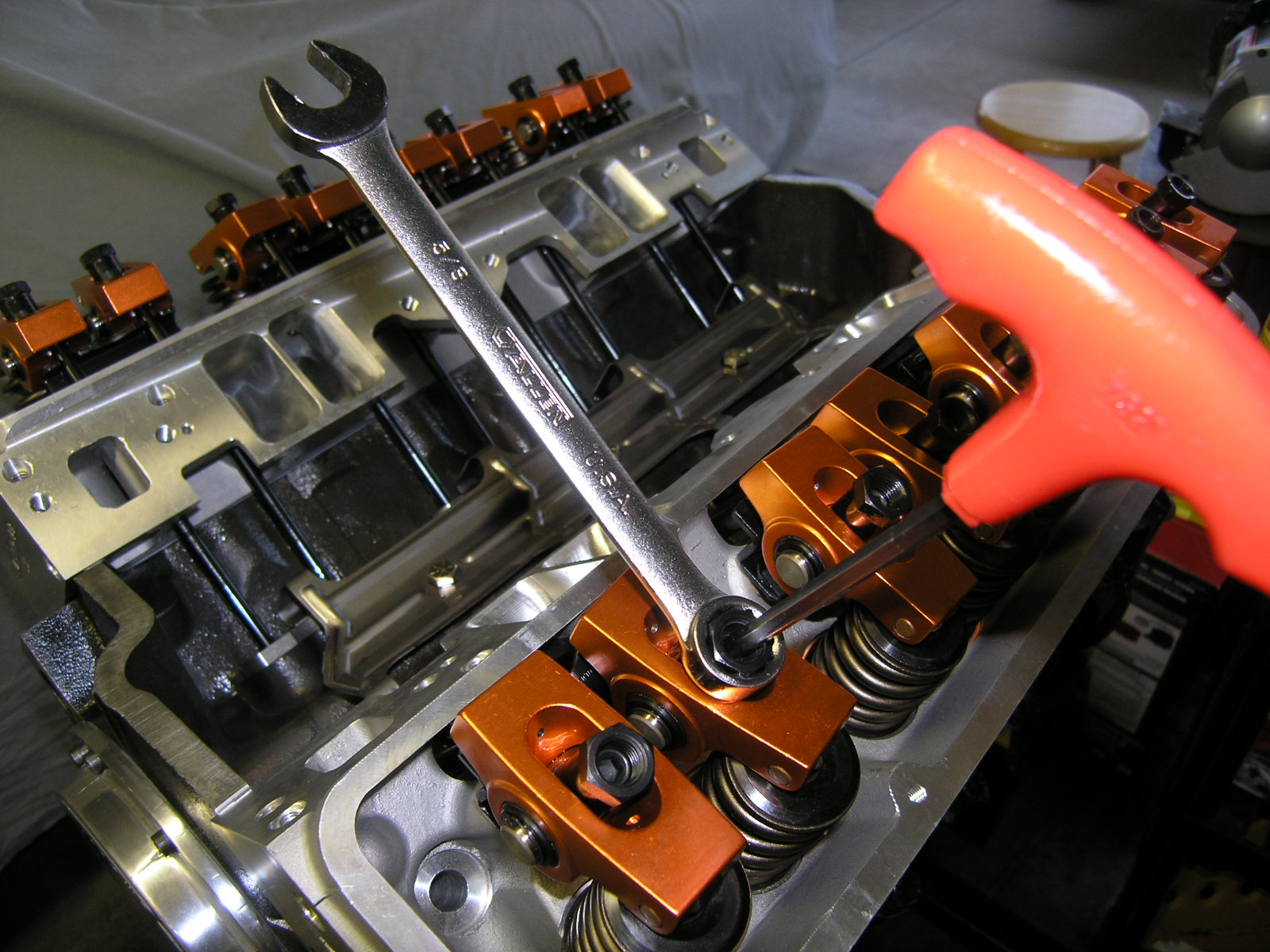
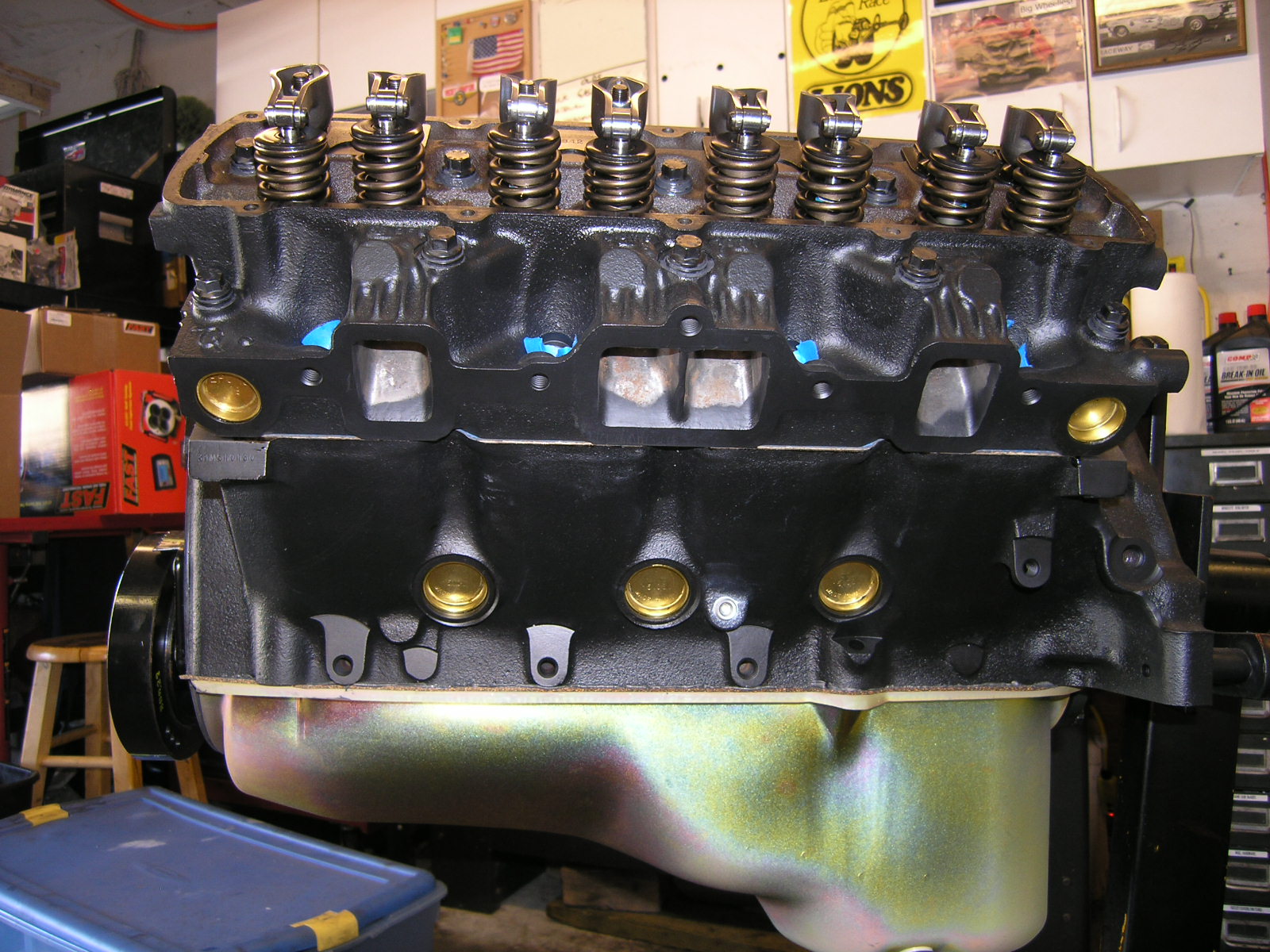
A one piece rear main seal, 4 bolt main 880 roller block. AFR aluminum cylinder heads, SCAT bottom end with 10/1 compression. Hydraulic roller camshaft, full roller rocker arms, MSD ignition system, Edelbrock Air-gap and a Brawler double pumper carburetor makes a solid street engine.
JMac 383 small block Chevy 600 horsepower – 500 lb-ft

- 12.25/1 compression CP Bullet pistons
- Scat forged 3.75″ stroke crankshaft, 6.0″ H-beam con-rods
- Comp Cams custom solid roller camshaft In. .688 lift, 262 @050 Ex. .645 lift 268 @050
- Crower stainless steel rocker arm with a stud girdle
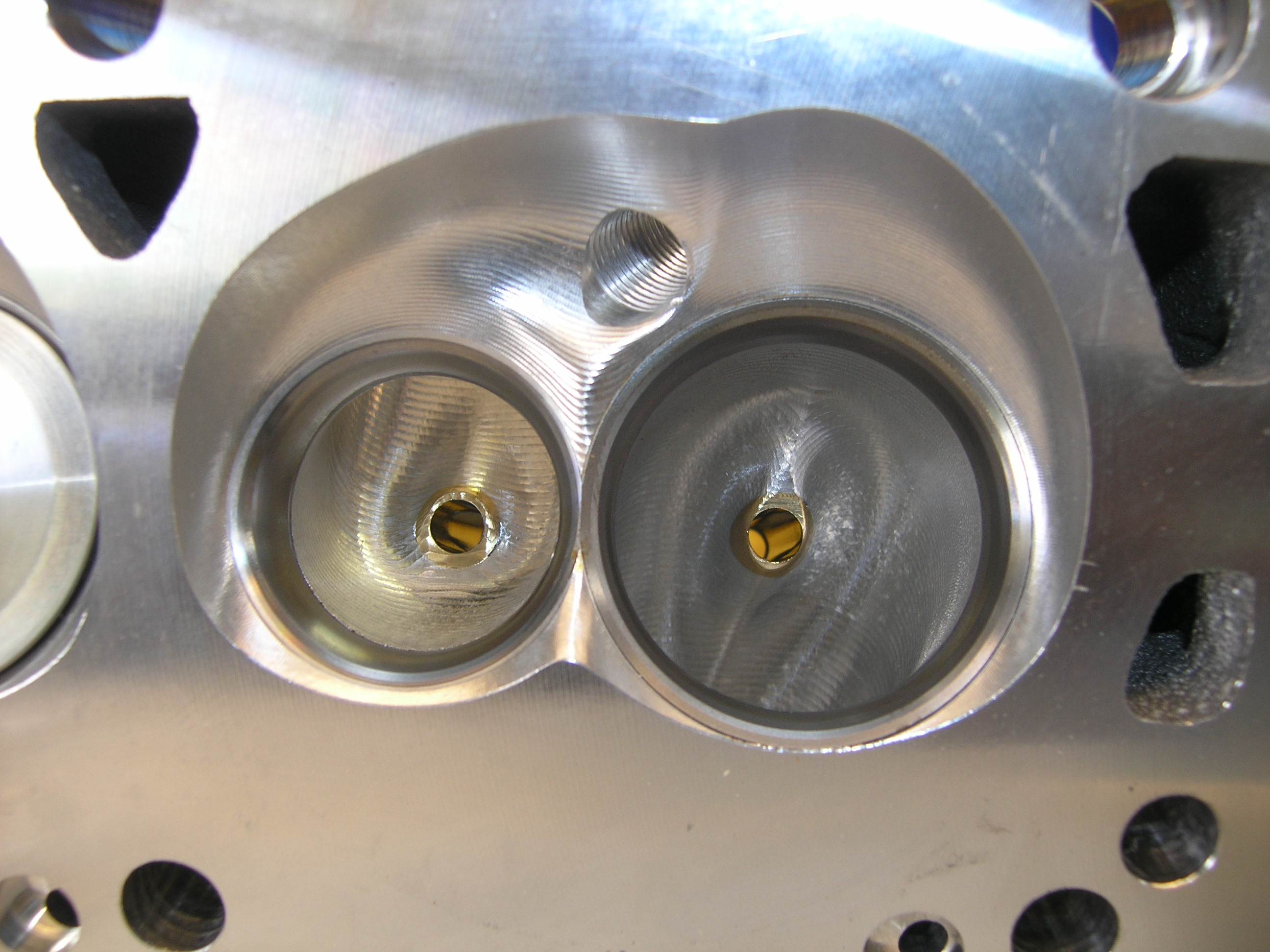
- AFR 210 cc competition CNC ported cylinder heads
- Edelbrock Super Victor 2 intake manifold
- Pro System 1000 cfm 4150 carb
- Hooker headers competition 1 3/4″ headers


350 small block Chevy 400 horsepower – 420 lb-ft torque
One piece rear main seal roller block. ported Engine Quest (EQ) Vortec cylinder heads, Comp roller camshaft, full roller rocker arms, Speed-pro hypereutectic pistons, moly piston rings, and Clevite bearing
The Block
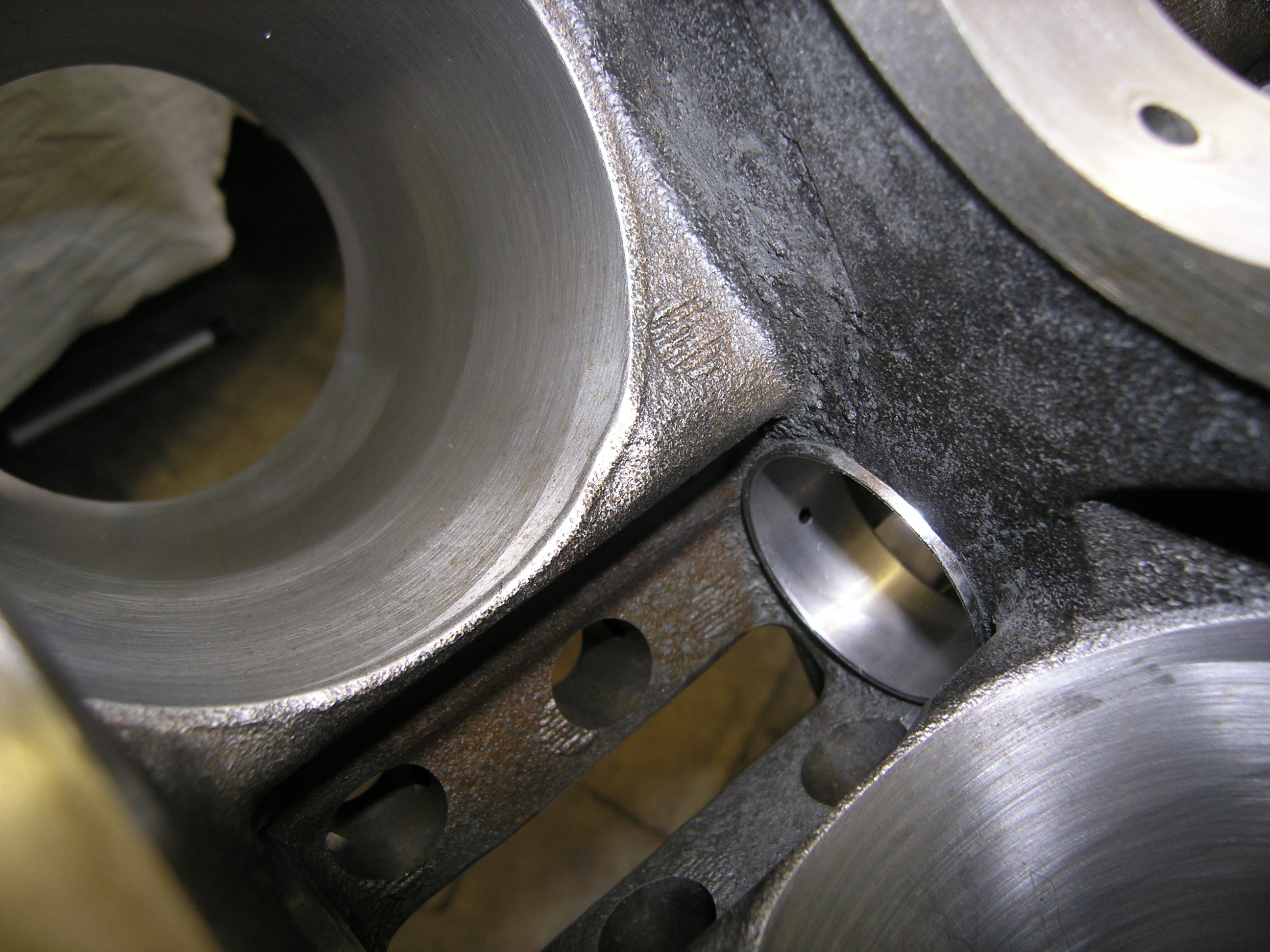
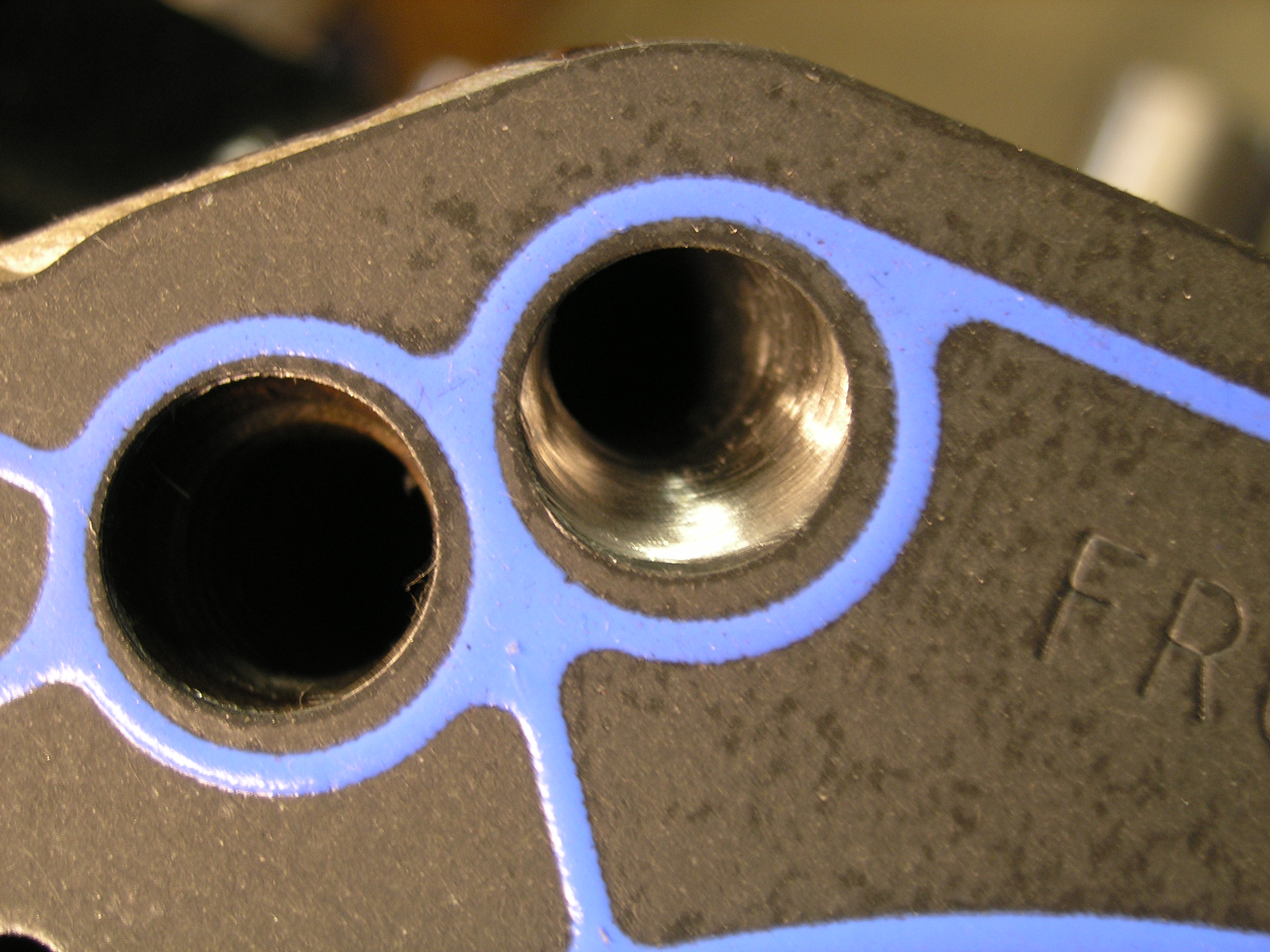
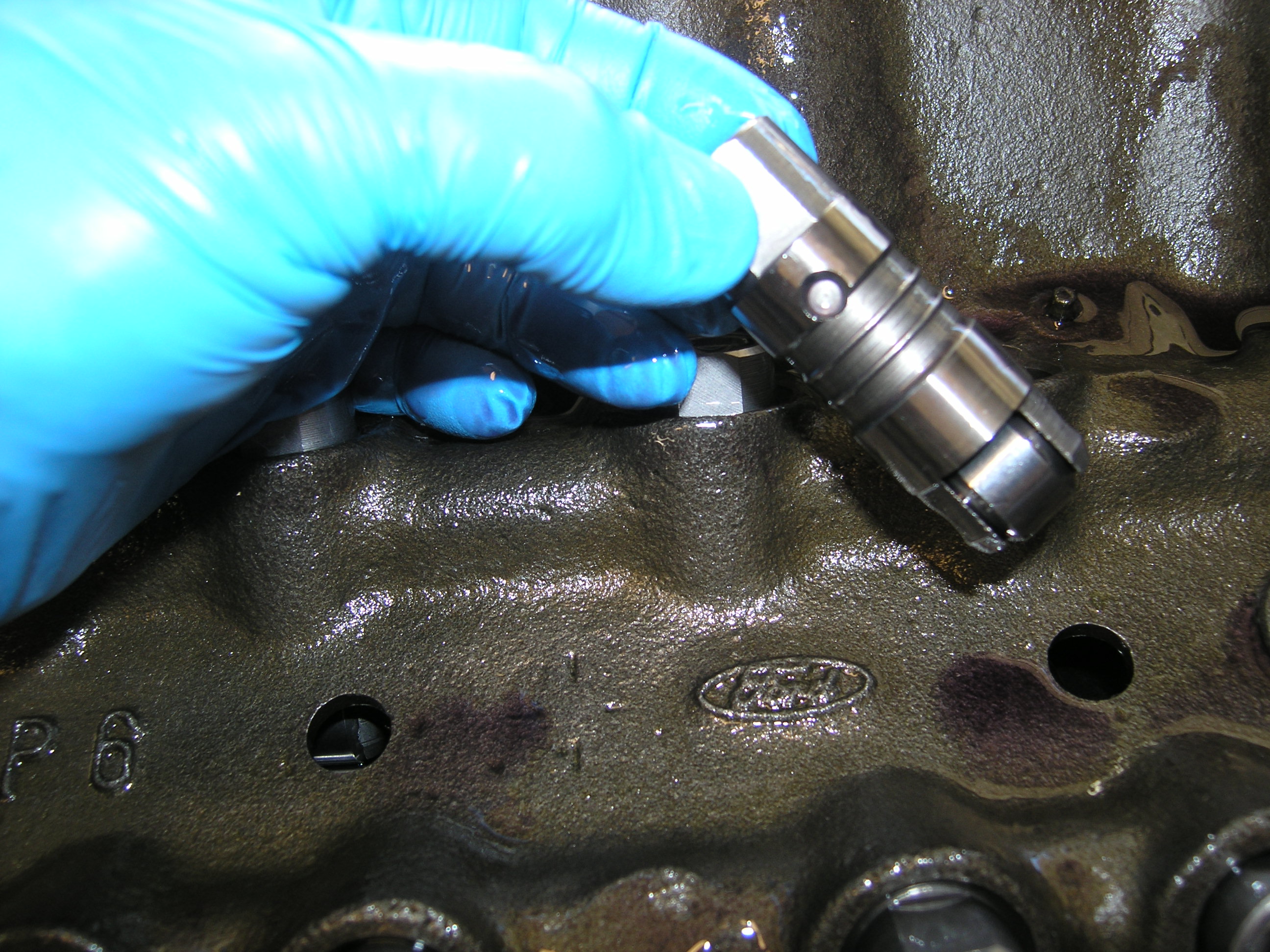
Bored and honed .030 one piece rear main roller block deburred and all extra casting flash removed inside and out, chamfered all oil passages, oil holes at the rear of the lifter valley are opened, all threads are tapped, cleaned, and chamfered
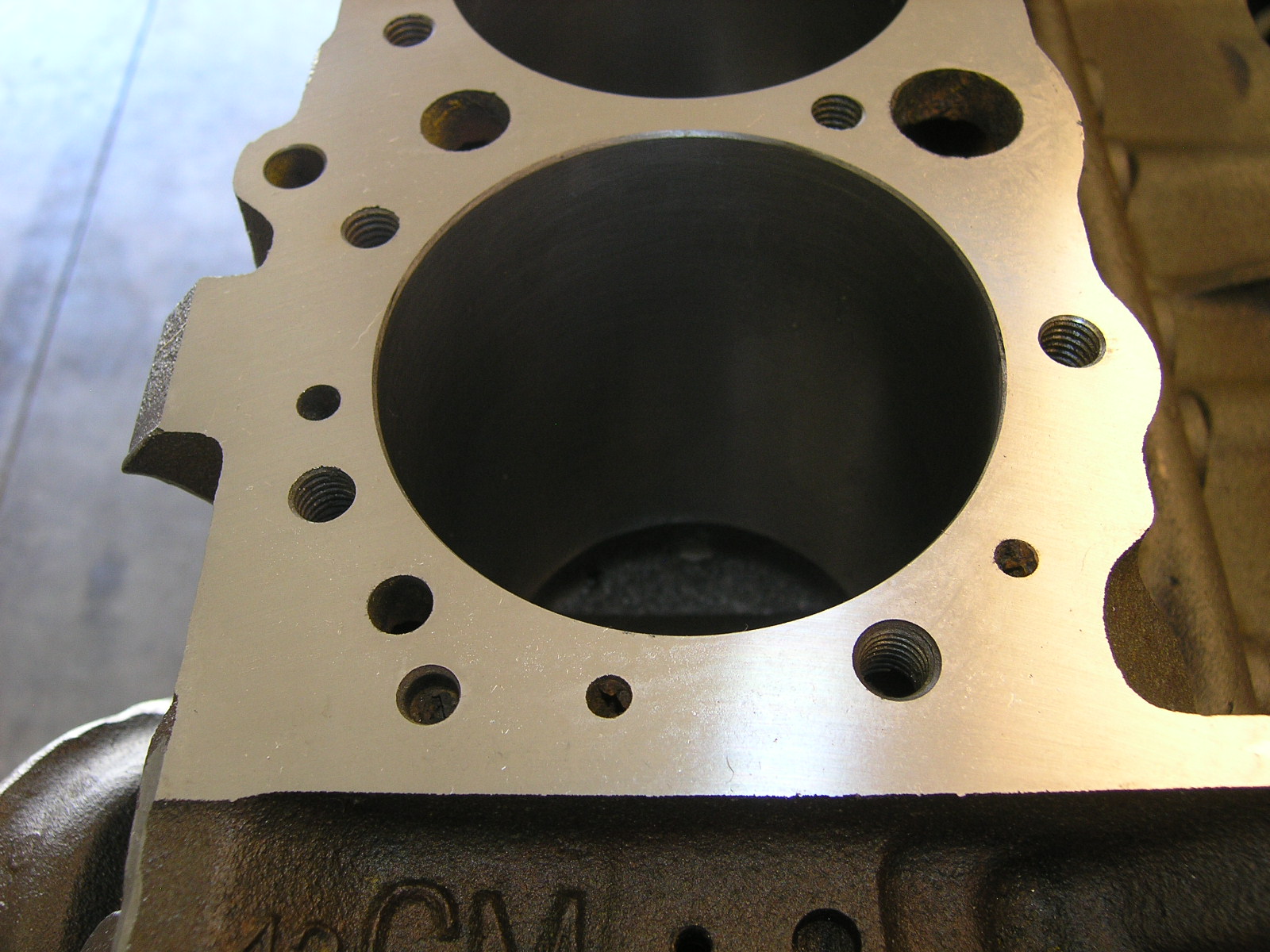
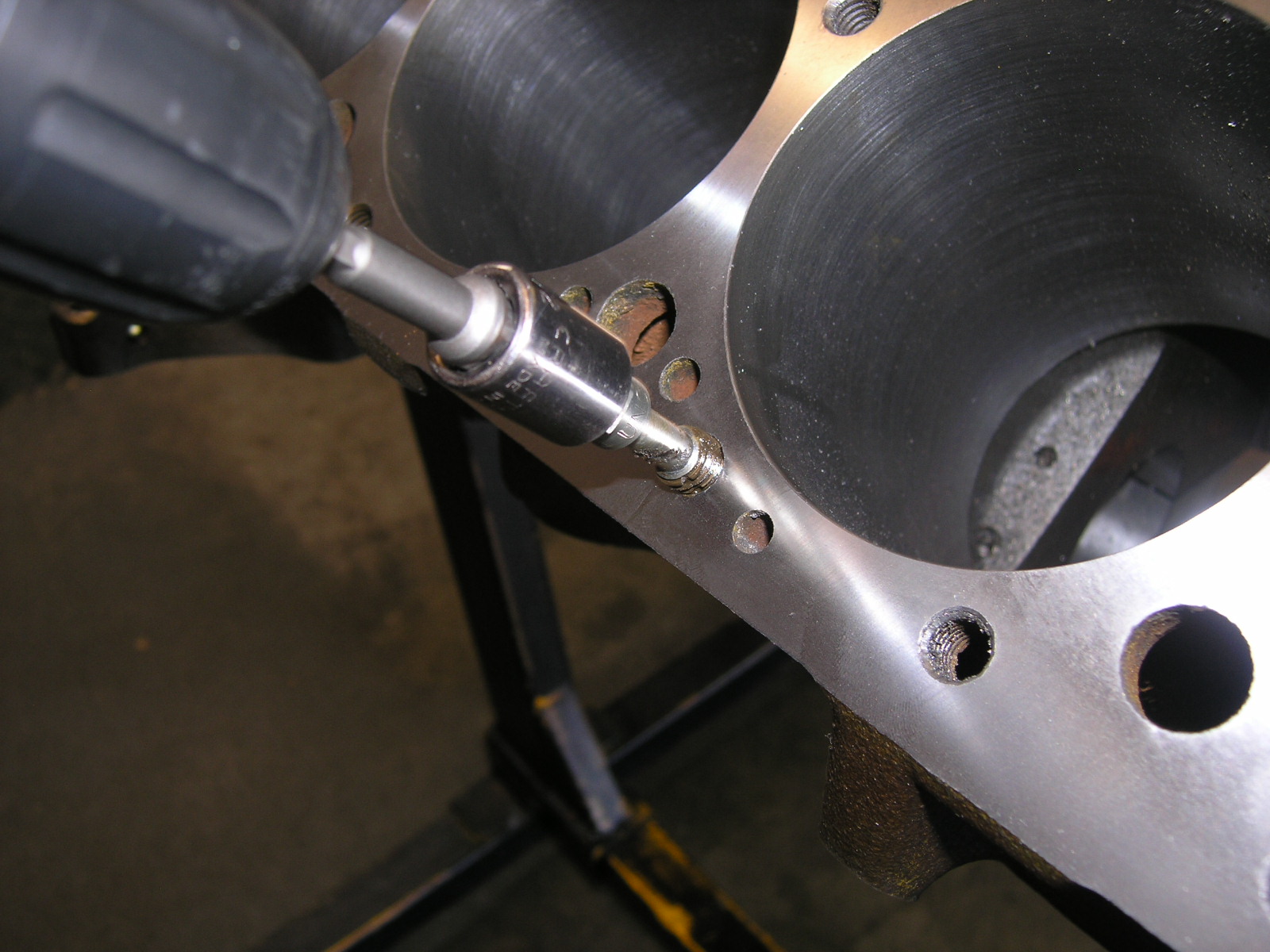
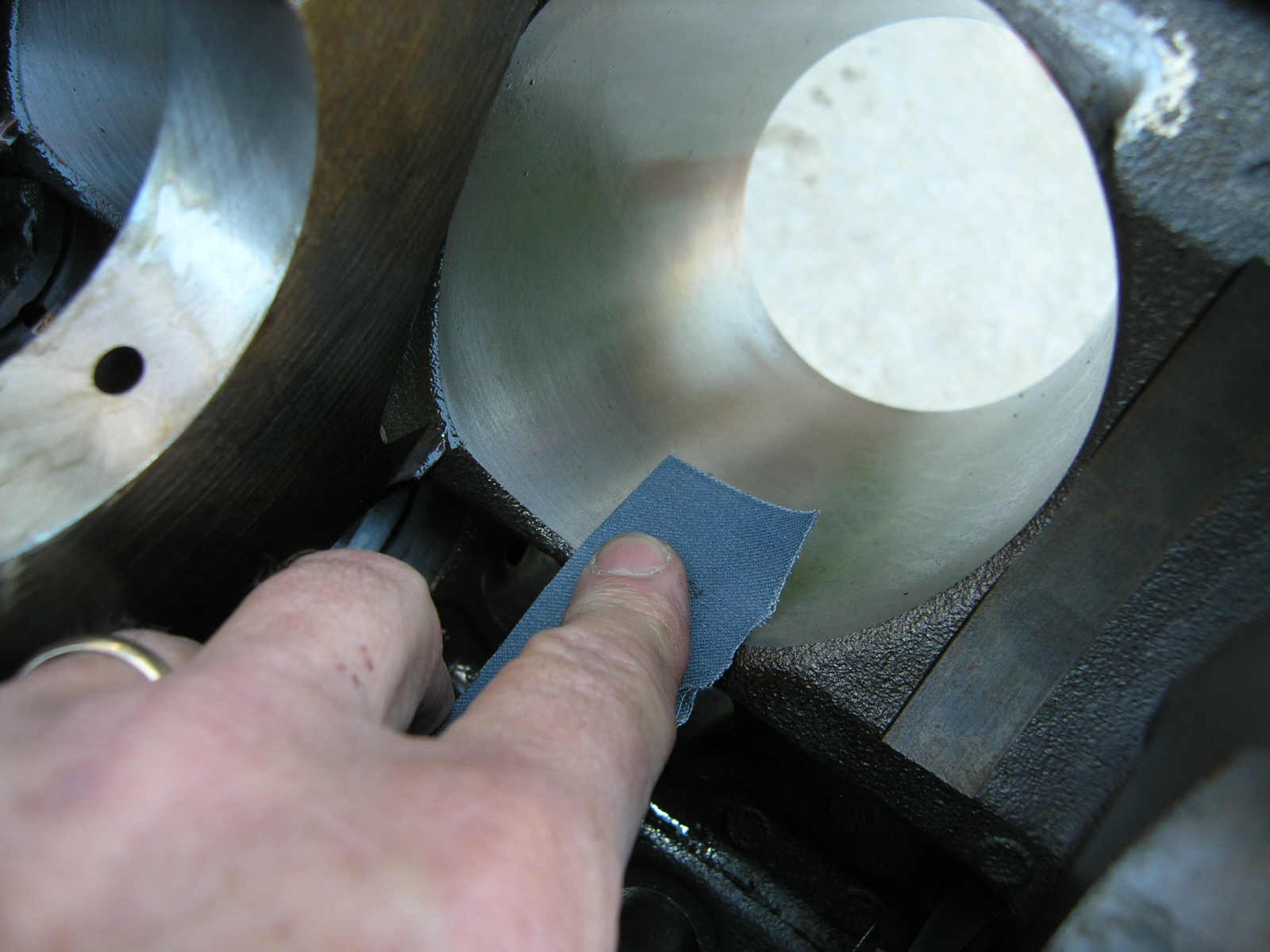
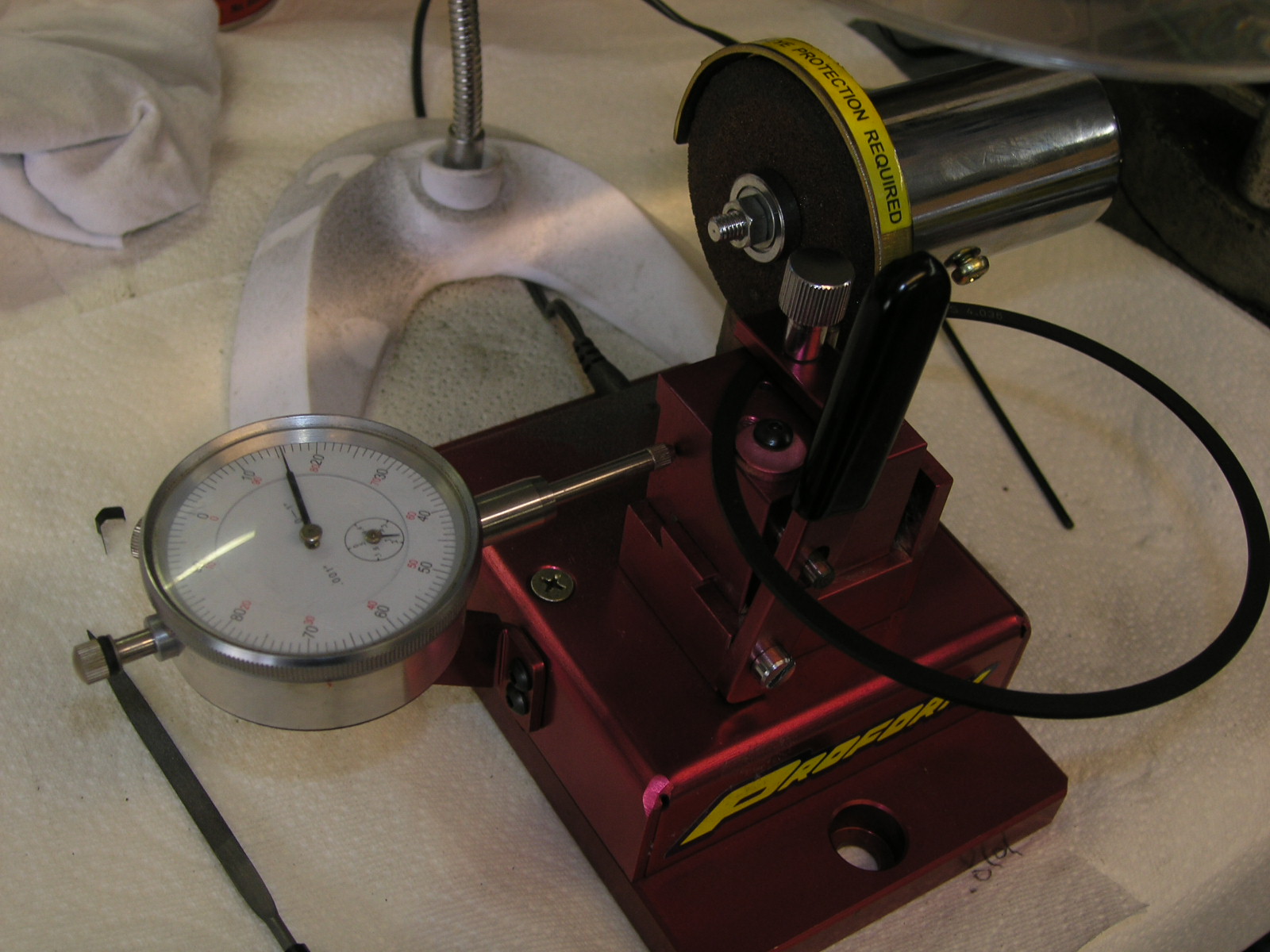
Chamfered the sharp edge at the bottom of the cylinders with 120 grit porting rolls To eliminate scuffing the bottom of pistons skirts. Dura bond camshaft bearings were installed.
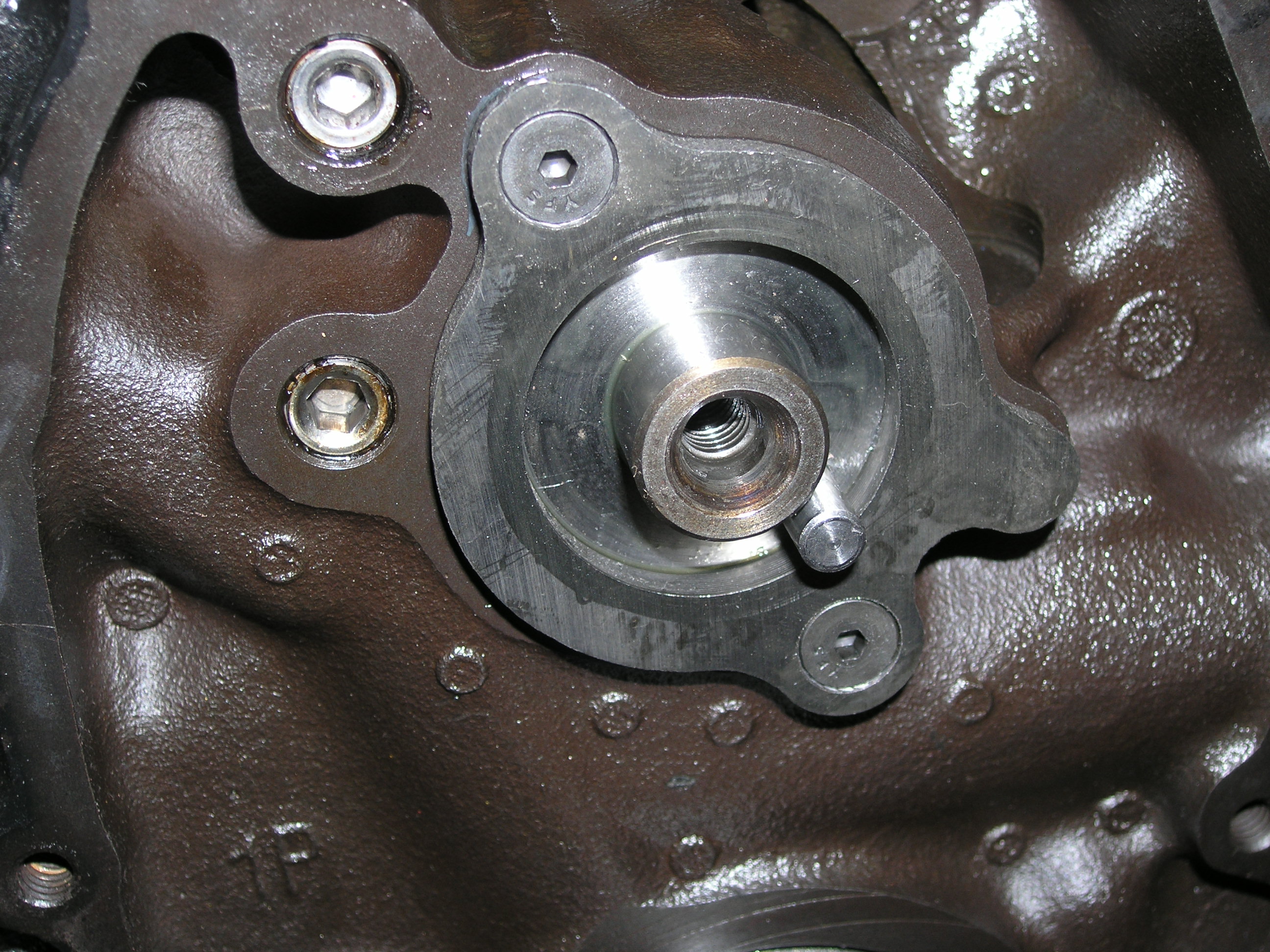
Tapped the oil galley’s at the front of the engine and put in threaded plugs.
Bottom end
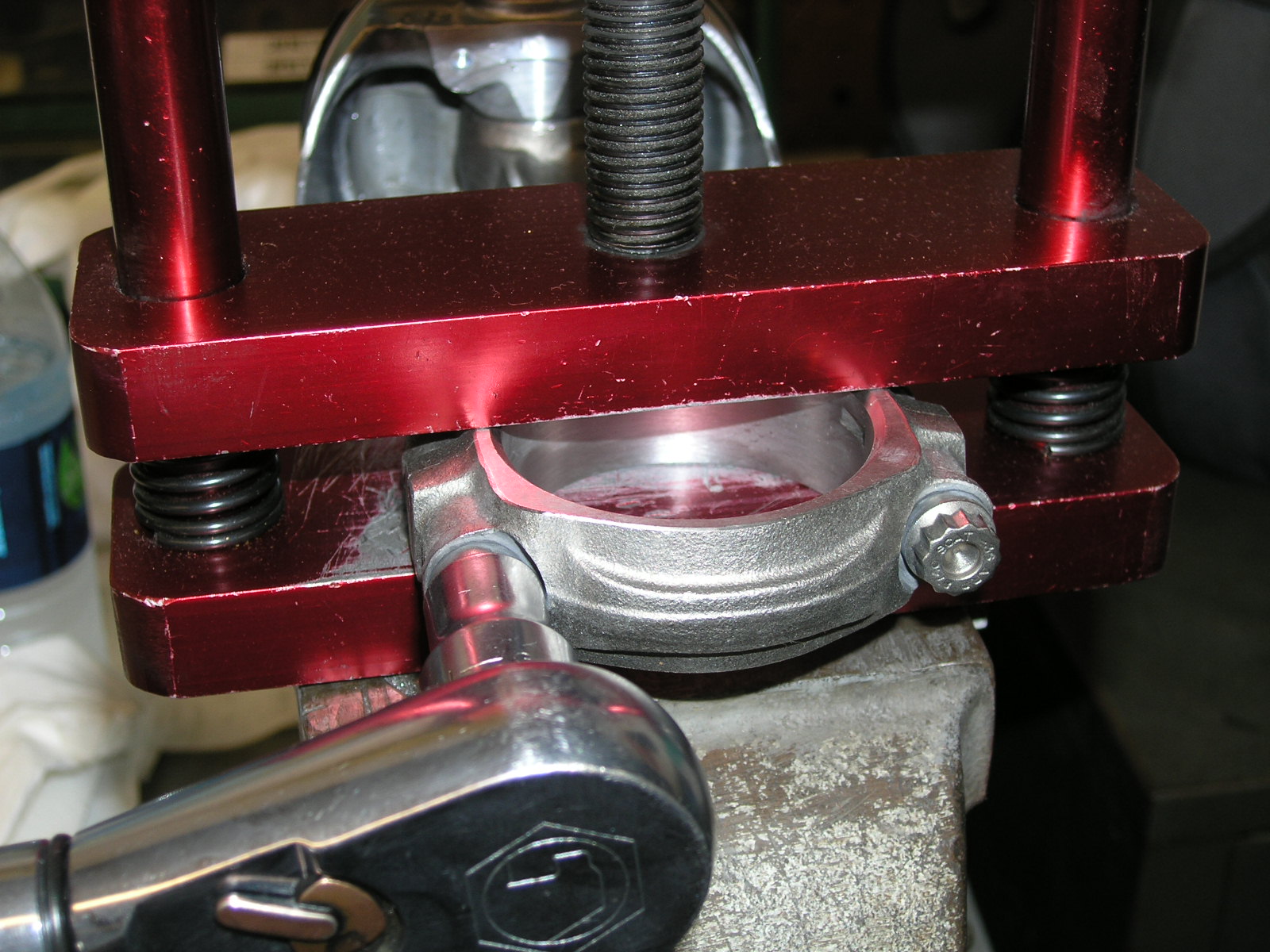
The stock crankshaft was turned and polished to .010/.010 under, resized the connecting rods after installing new bolts, .030 Speed-pro pistons and rings were installed, and Clevite bearings were used.


All the piston rings are hand cut to ensure the proper ring gap


Spec sheet

Cylinder heads
We used a pair of EQ (Engine Quest) Vortec CH350C cylinder heads with 64 cc combustion chambers, 1.94″ intake and 1.50″ exhaust stainless steel valves, and bolt in studs. The EQ heads use a higher grade cast iron, thicker decks for improved strength. and improved design to reduce cracking.

The heads come stock with decent ports but with a little porting they can support 400+ horsepower
The throat under the valve was increased to 90% of the valve size, under the valves the bowls are opened and blended, valve guide boss is reduced, and the short side radius under the valve is contoured. The intake ports are cleaned up and the exhaust ports were match ported to the exhaust gasket
Viton valve guide seals were used
Camshaft and valve train
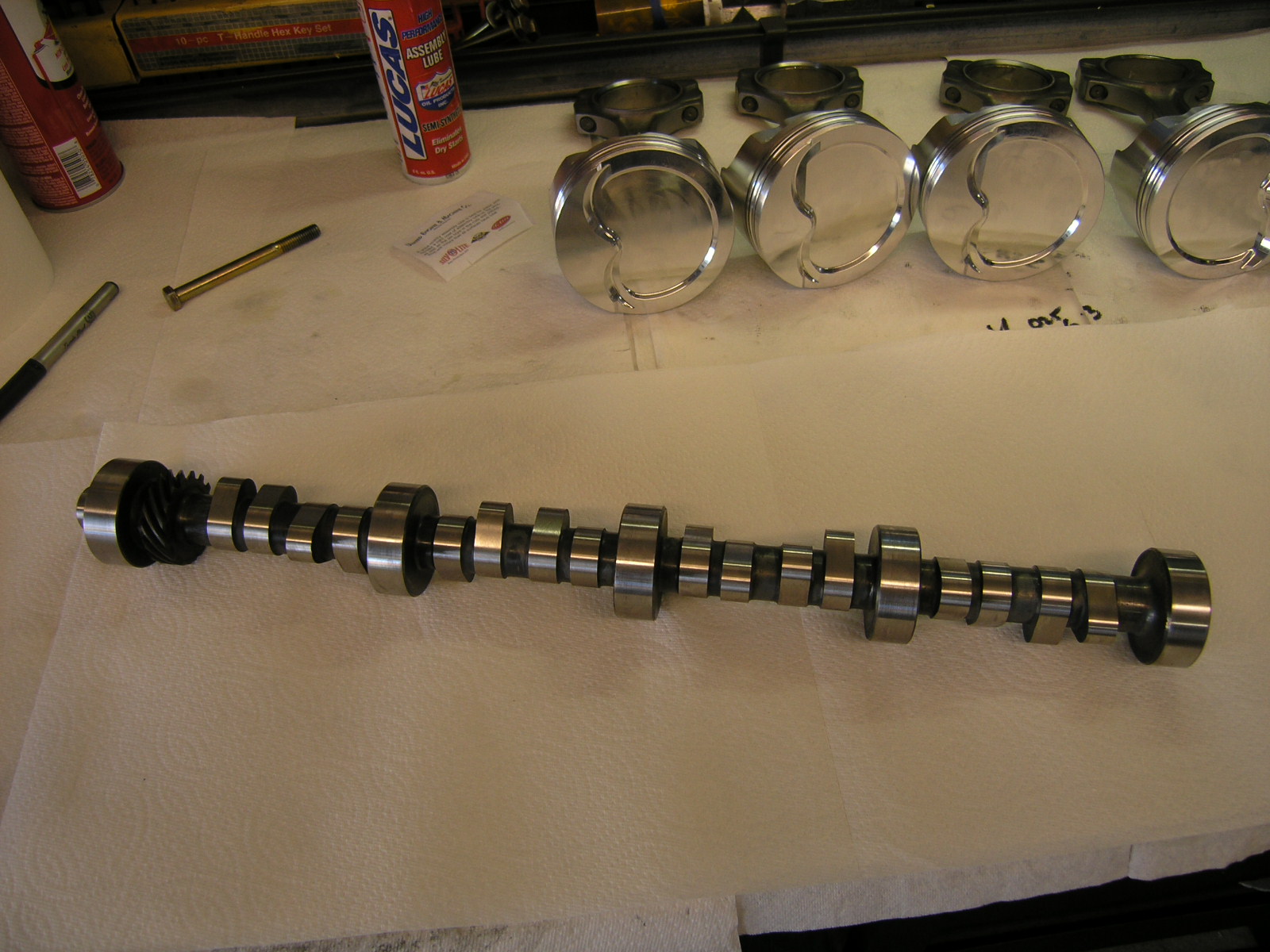
A Comp cams XR276HR-10 roller camshaft was used


A double roller timing chain was used. The cam was degreed straight up


A custom 7.010″ Trick flow pushrod was installed. The total cam lift, valve spring retainer to valve guide clearance, valve spring height, and coil bind was verified


Oiling system
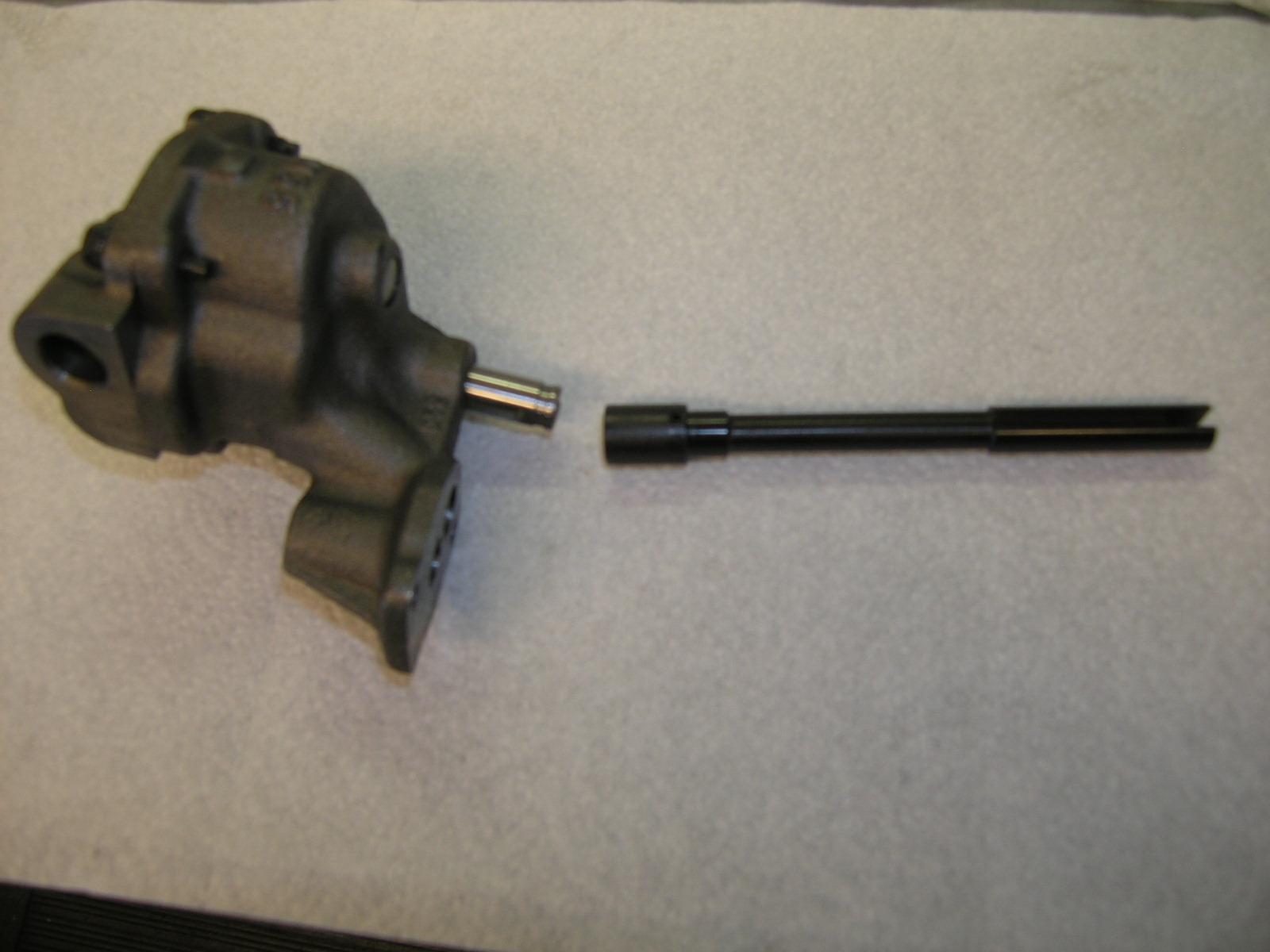
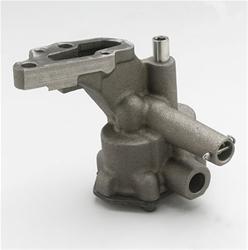
A Mellings M55 Standard pressure and volume oil pump was blue printed and tested with a max of 70 PSI. The oil passages at the front and rear of the lifter valley were enlarged for increased oil flow back to the oil pan


Carburetor and intake manifold
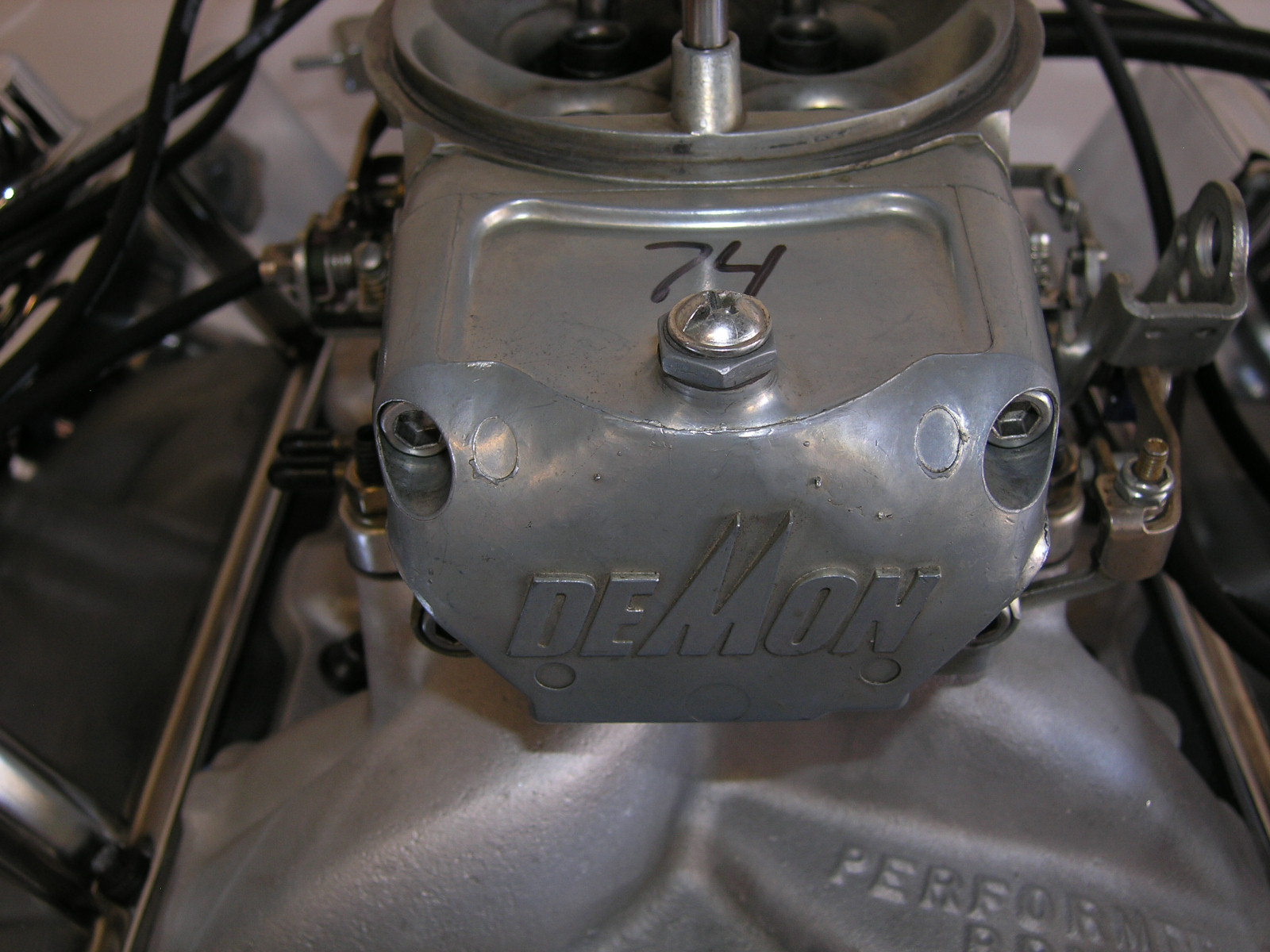
Edelbrock 750 cfm carburetor was rebuilt and sits a top a black Vortec style Performer RPM intake manifold

Ignition
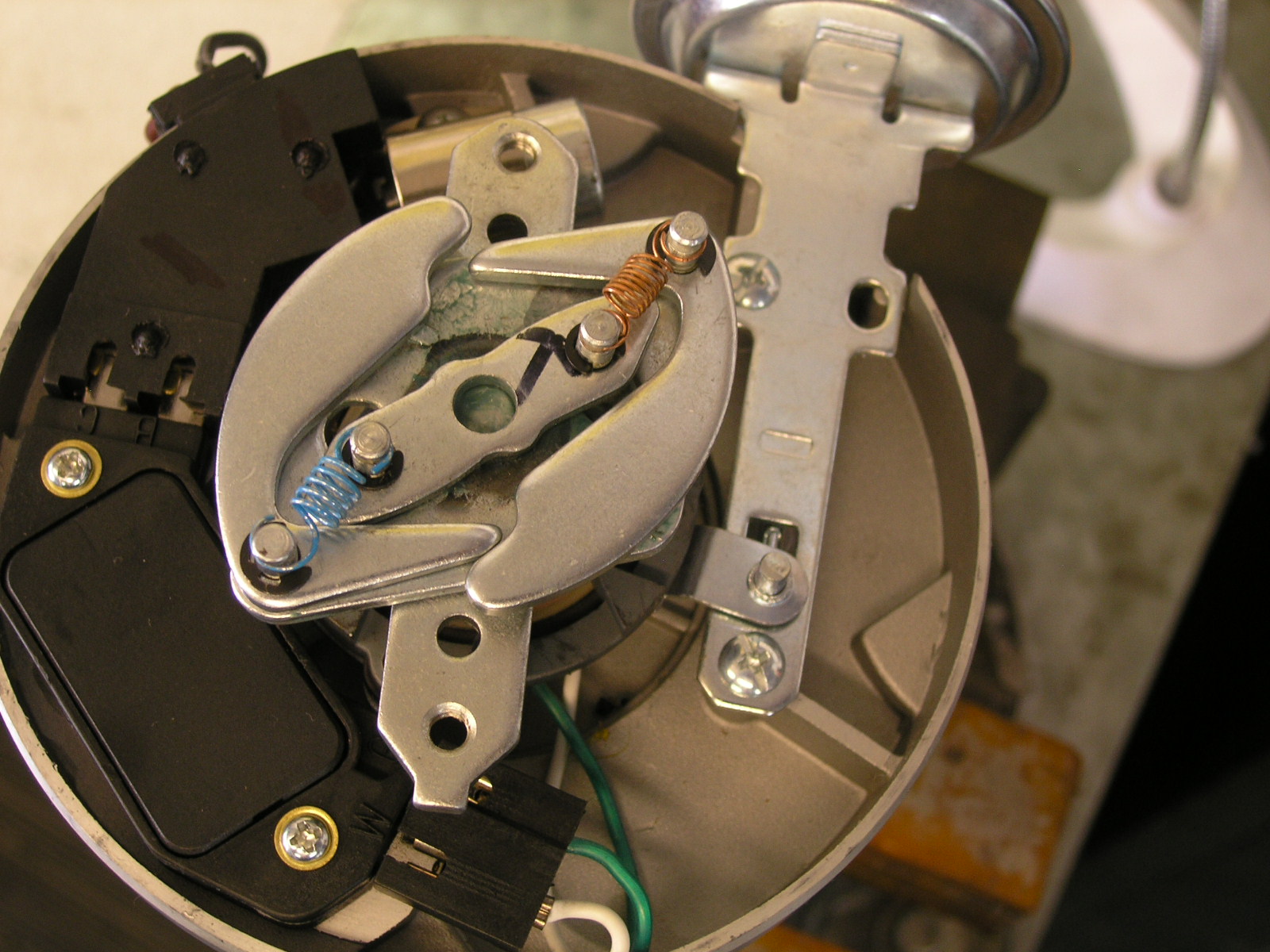
The HEI distributor was disassembled and recurved and MSD street fire plug wires were used

See this engine on the run stand at YouTube video below
350 small block Chevy 420 horsepower – 430 Lb-Ft torque
4 bolt main block that was bored and honed .030 over forged 3.48 stoke crankshaft, 5.7″ connecting rods with new bolts, forged pistons, Clevite rod and main bearings, and speed pro pistons rings were used
The block
The block was deburred removing all extra casting flash with a carbide grinding bit, all the threads in the block was tapped and cleaned. The front camshaft oil galley holes were tapped and threaded plugs were installed.
Dura bond cam bearing were installed
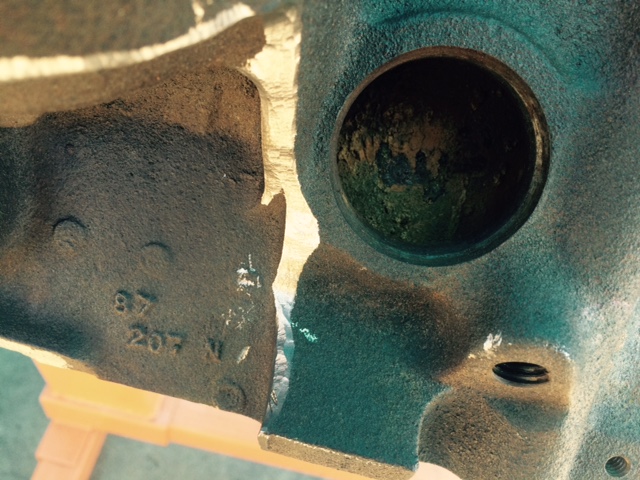
To ensure all the debris from the machine work is removed from the oil galley’s the small plug below the rear main cap is removed the oil galley is cleaned and a new cap is installed.
The bottom end


A torque plate was used to ensure the most accurate piston to cylinder wall clearances


Speed-Pro Forged Pistons and moly piston rings were installed the piston rings were hand filed to ensure the proper ring end gap
Build spec sheet

Oiling system


The Mellings M55 standard pressure/standard volume oil pump is blue printed and dyno tested verifying a maximum pressure of 70 PSI.
The oil return hole from the cylinder heads to the lifter valley was partially blocked so the edge of the block was opened up with a carbide grinder allowing oil to flow back to the oil pan quicker. All oil passages and return holes are chamfered ensuring smooth oil flow throughout the entire engine


Valve train
Comp Cams XE284H-10 camshaft, 972-16 valve springs, custom Trick Flow 7.600″ push rods, full steel 1.5 roller rocker arms, and a double roller timing chain were installed. The camshaft was degreed straight up


Cylinder heads
Flotek aluminum cylinder heads 180cc with 2.02″ intake valves, 1.60″ exhaust valves, 64cc combustion chamber, and angle plugs

Ignition system
Pertronix electronic ignition system was installed in an aluminum distributor housing. The distributor was blue printed and recurved.
A small slot is cut in the bottom of the distributor housing to assist the distributor gear oiling
Intake manifold and carburetor
Edelbrock’s Performer RPM intake manifold
The 750 cfm Holley double pumper with an electric choke was rebuilt
Coming soon – video on the engine run stand
450 Horsepower – 480 LB-FT Torque 396 Big Block Chevy
Block and Cylinder heads
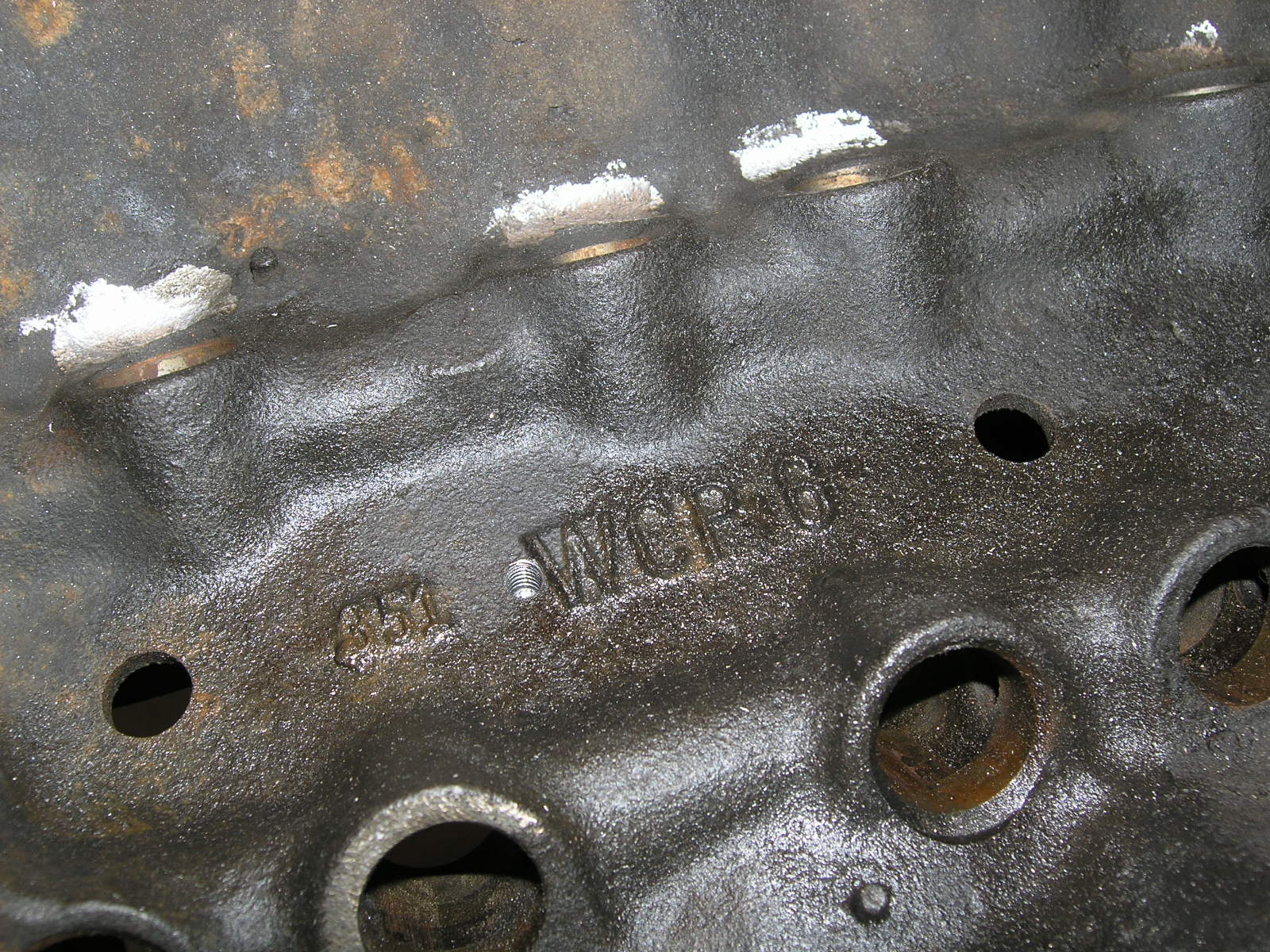
The build started with a rare factory 4 bolt main 396 block # 3855962.
The block received the usual machine work: magnaflux’d , bore and honed .030 over with a torque plate, decked, and line honed.
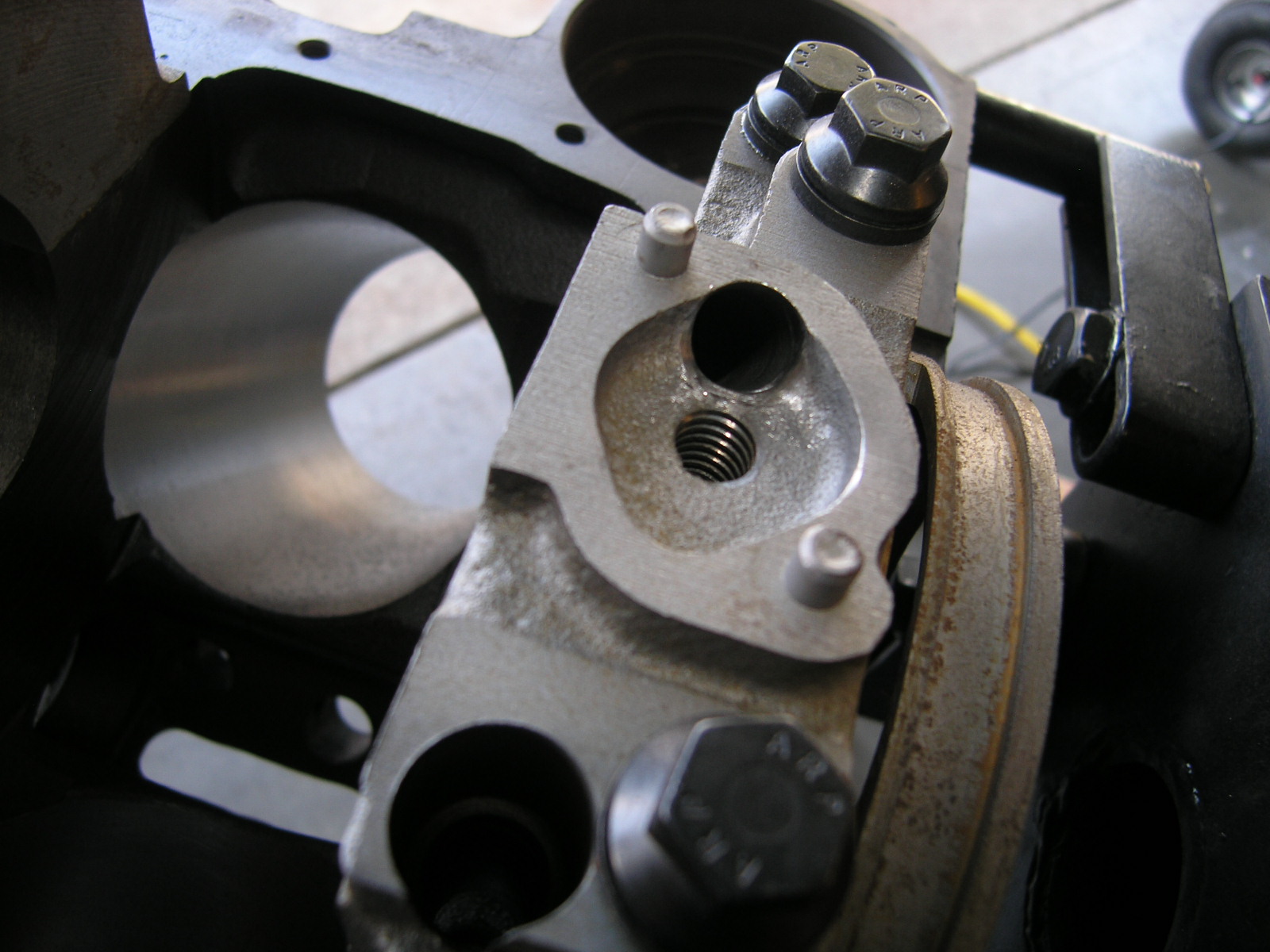
I always use ARP main bolts for added strength
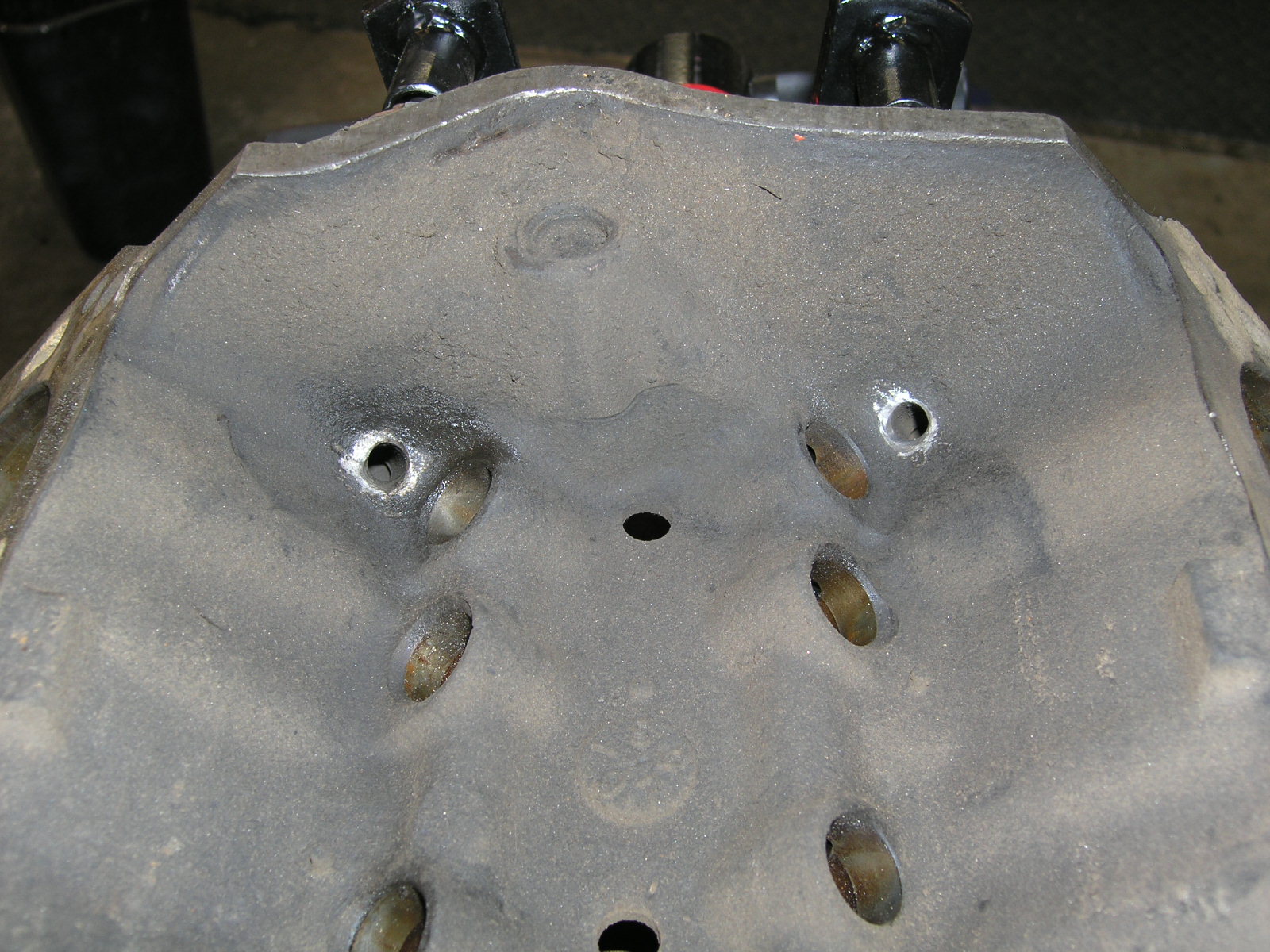
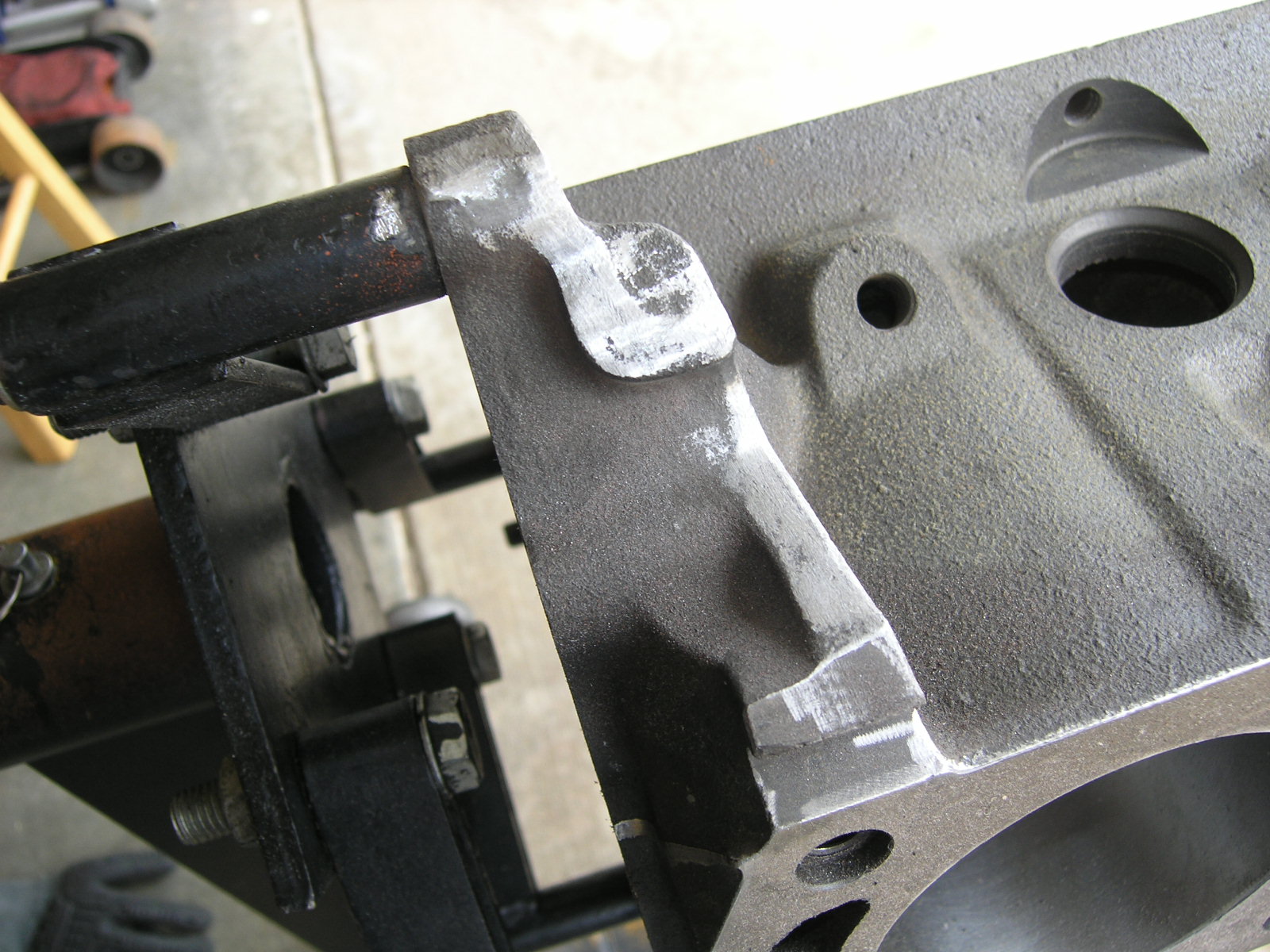
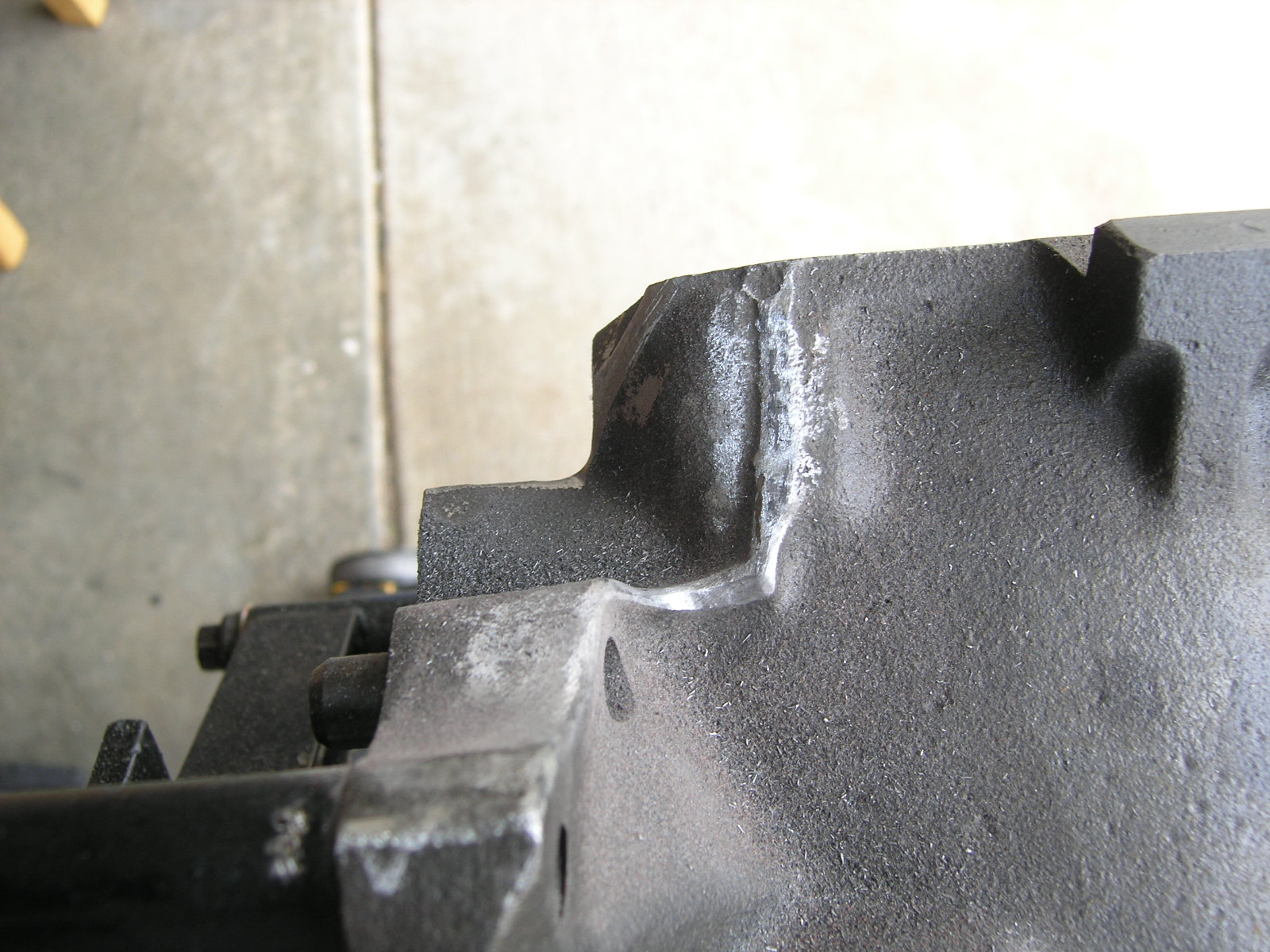
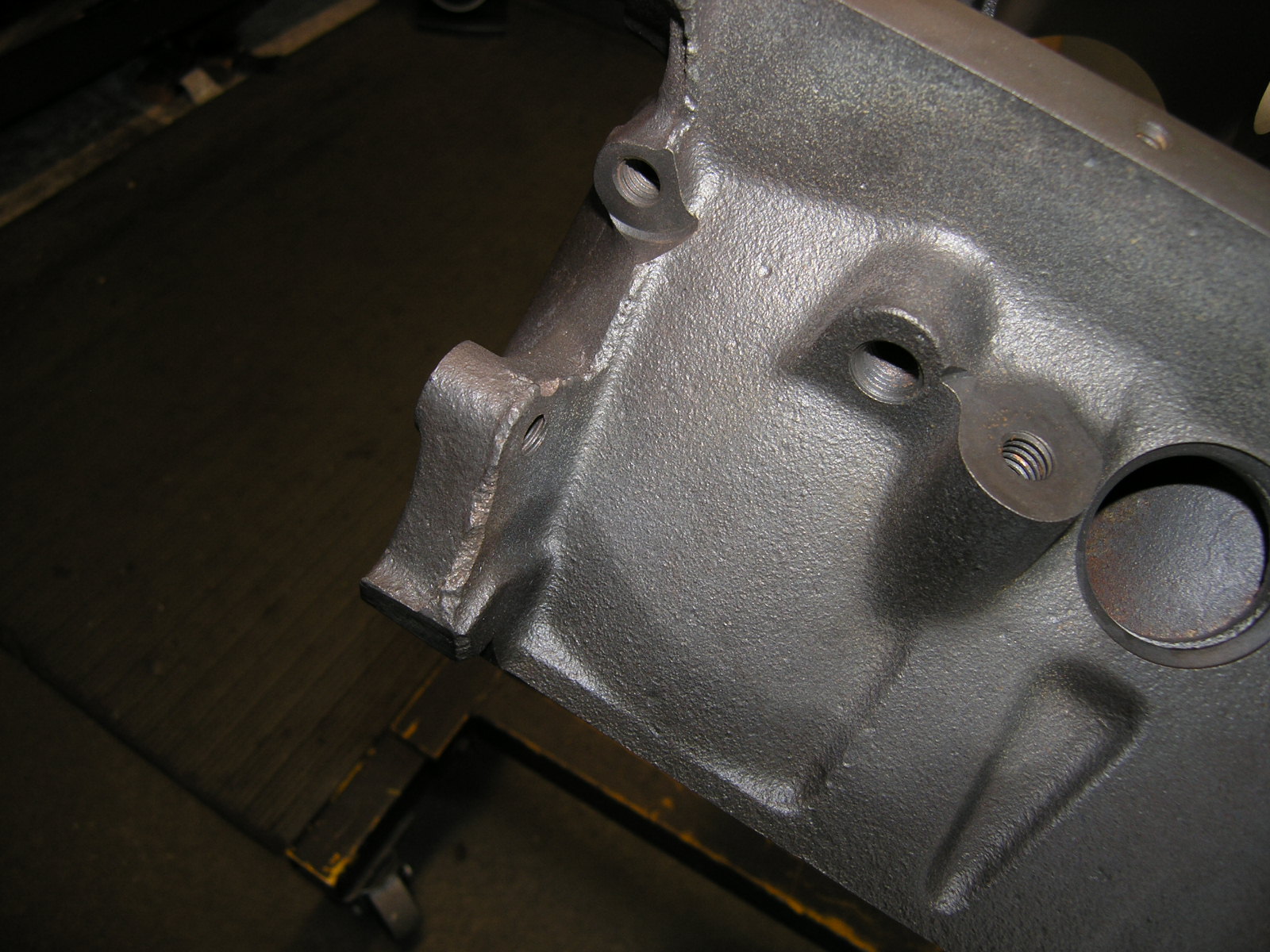
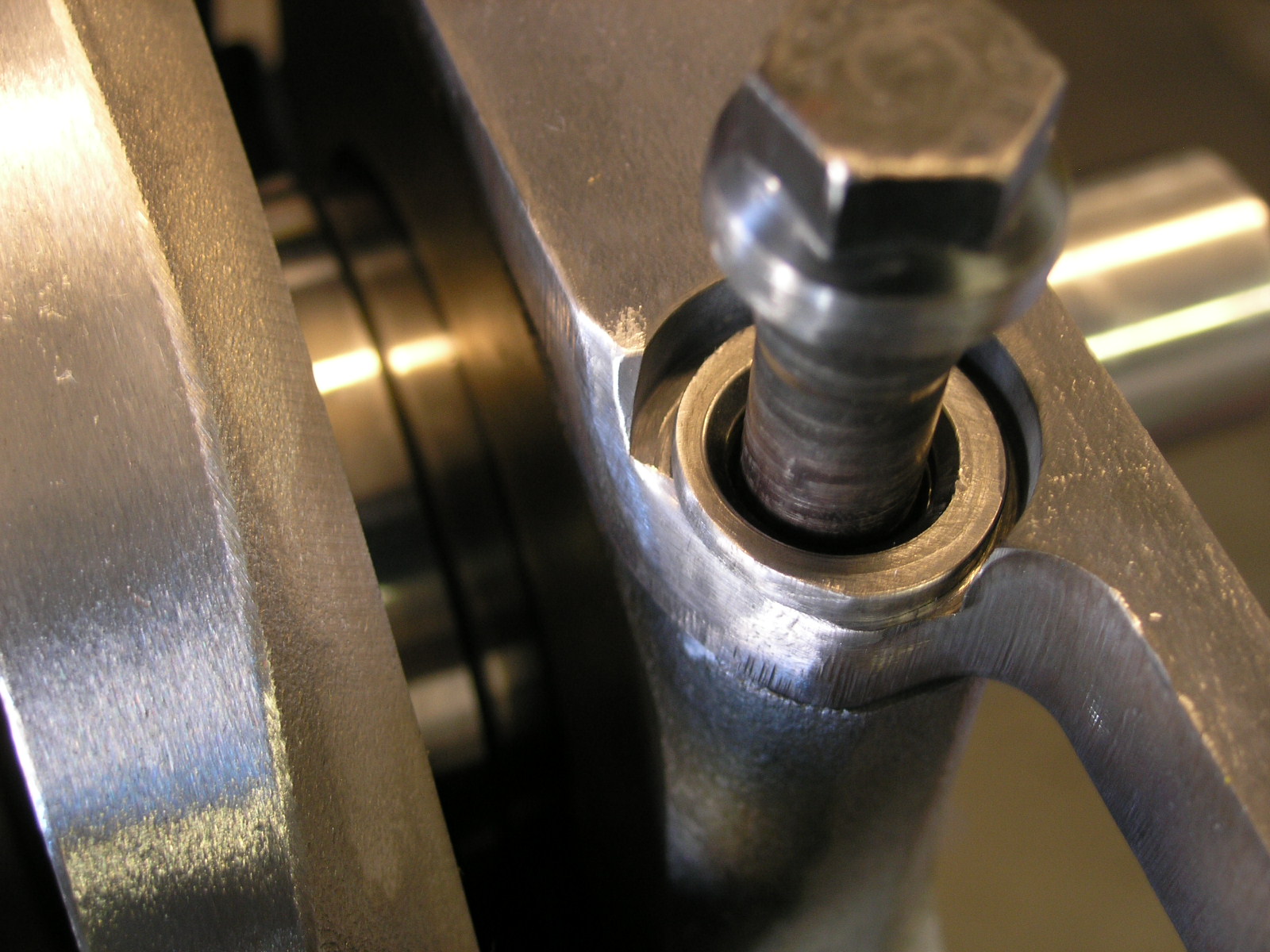
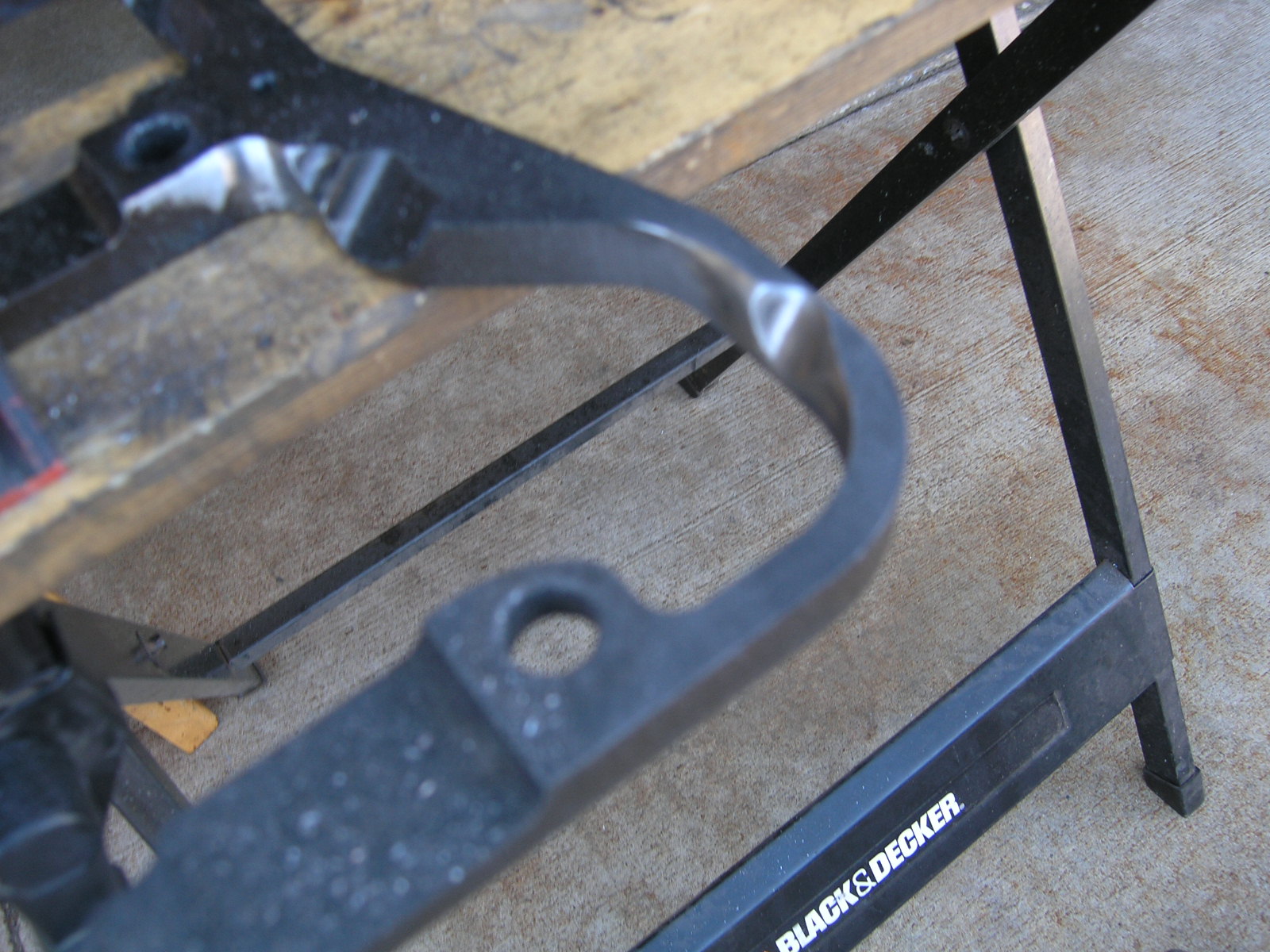
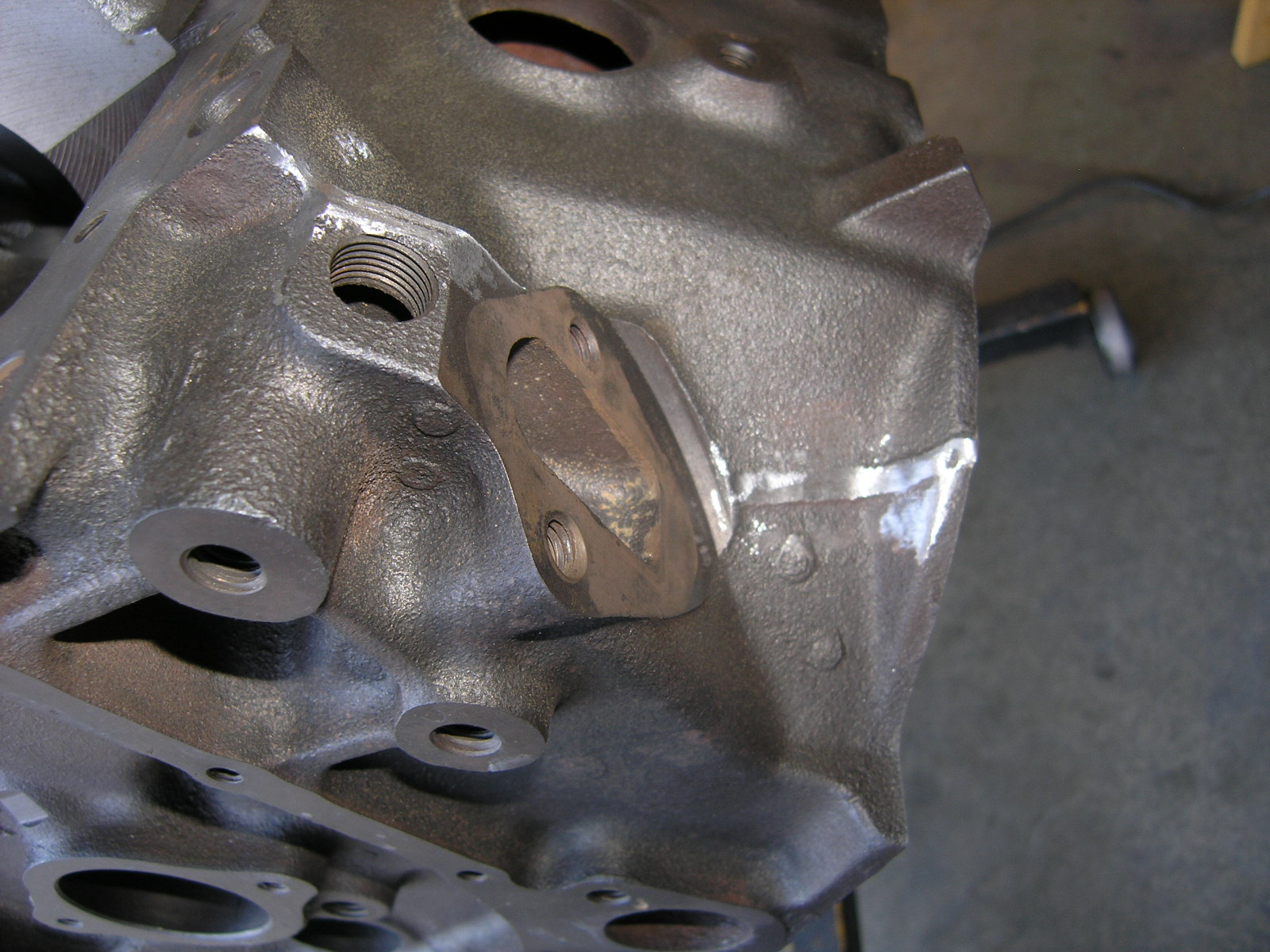
You can tell it’s a 396 block by the intake valve reliefs machined into the deck to help eliminate cracks all the extra casting flash was ground off
Before
After
The oiling holes were smoothed and lifter valley was cleaned up.
Cylinder heads
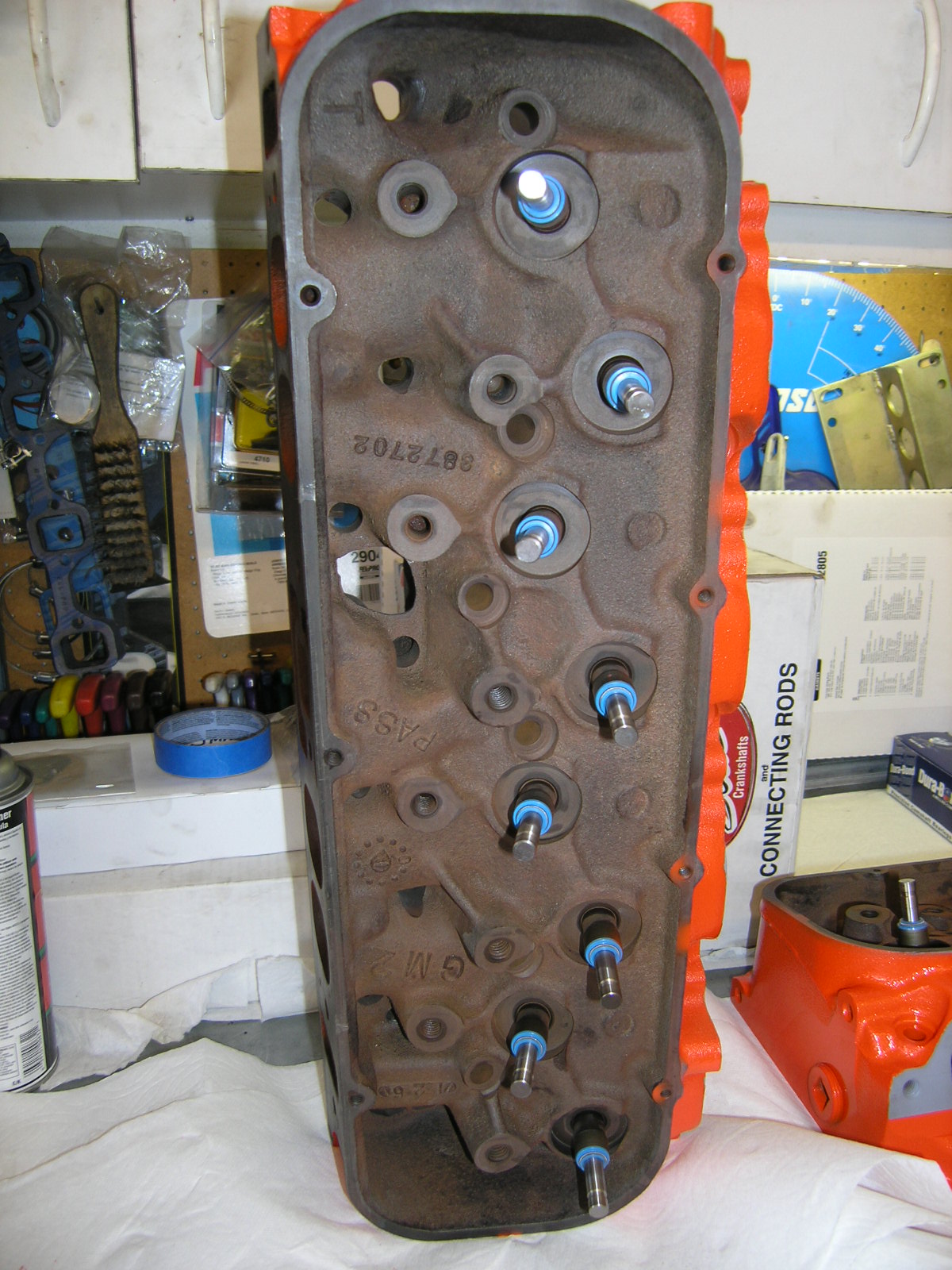
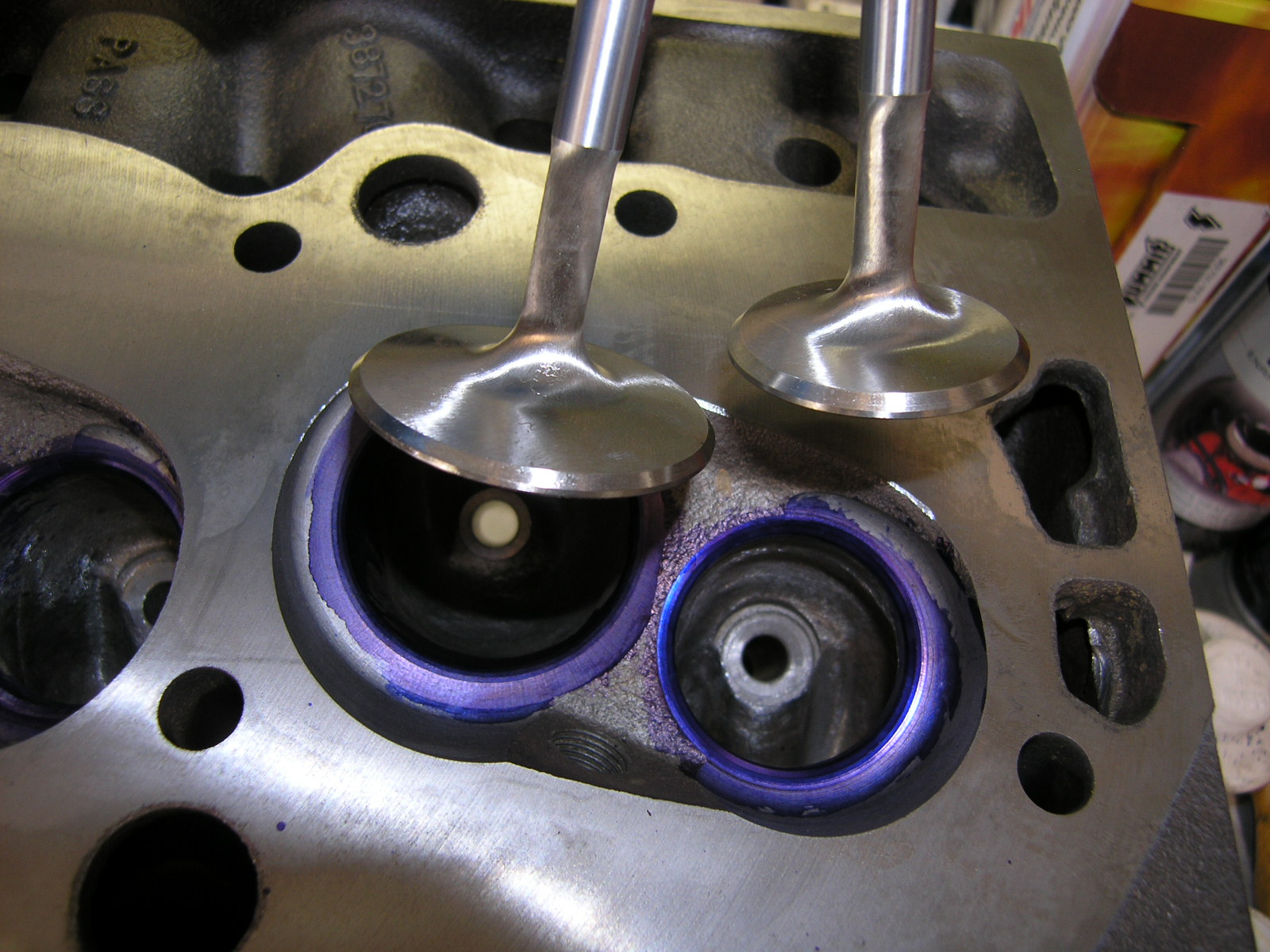
Stock # 3872702 cylinder heads with a 98 cc closed combustion chambers were used. They received magnfux’d, decked, new valve guides, 3 angle valve job, and Manley 2.07″ intake and 1.725″ exhaust stainless steel valves.
Because the 396 has a small 4.125″ bore cylinder I resisted the temptation to install larger valves. I did use a .100″ longer valve to accommodate the taller lift of a bigger camshaft.
The cylinder heads received a pocket porting where the bowl under both valves were opened up, valve guides were narrowed, and the exhaust ports were polished.
In the 60’s gasoline had lead in it, not so much in 2017. To accommodate running on unleaded fuel harden valve seats were also installed.
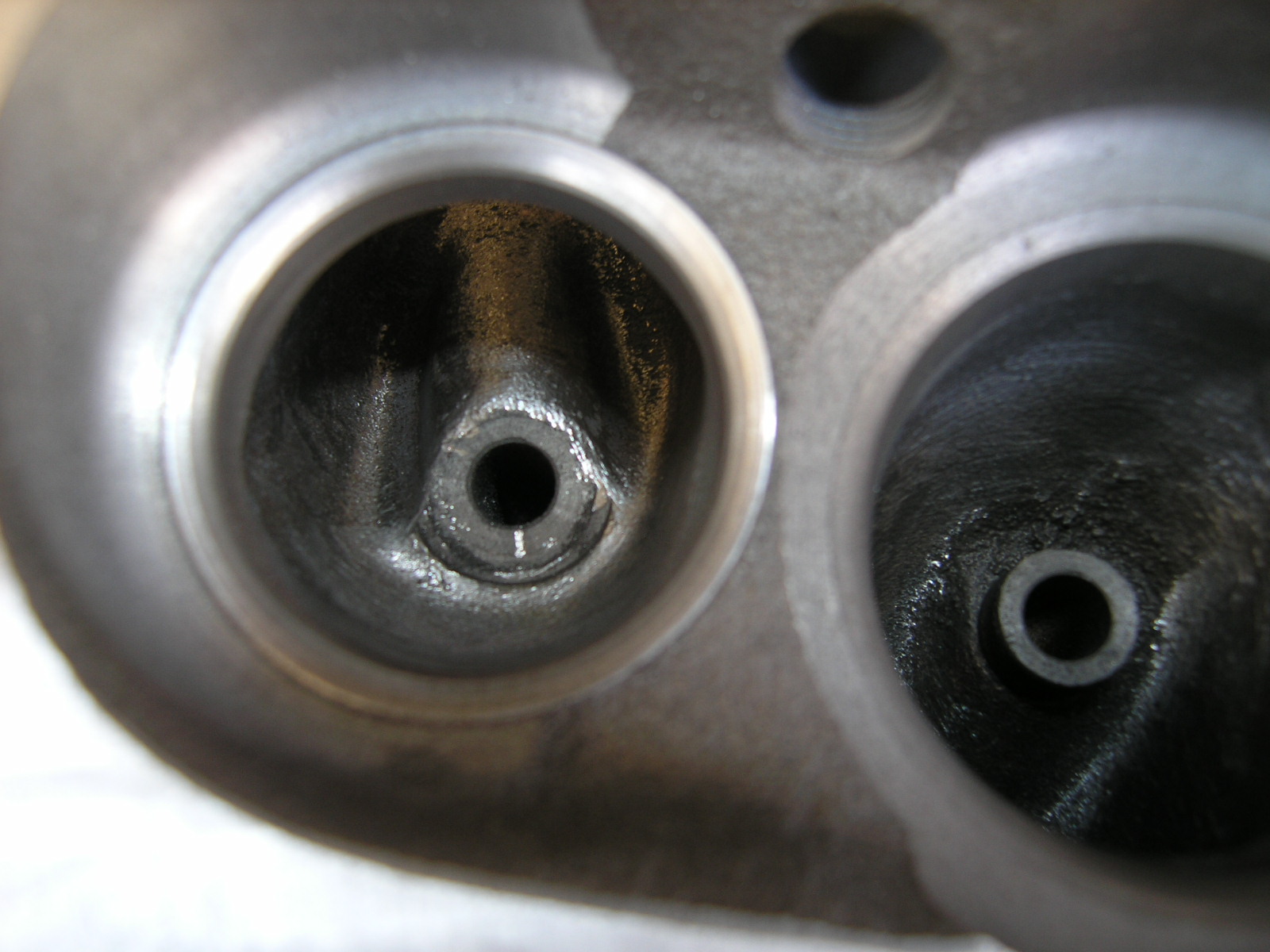
To ensure no oil gets into the combustion chamber the guides were cut so Viton oil seals could be installed.
The Bottom End
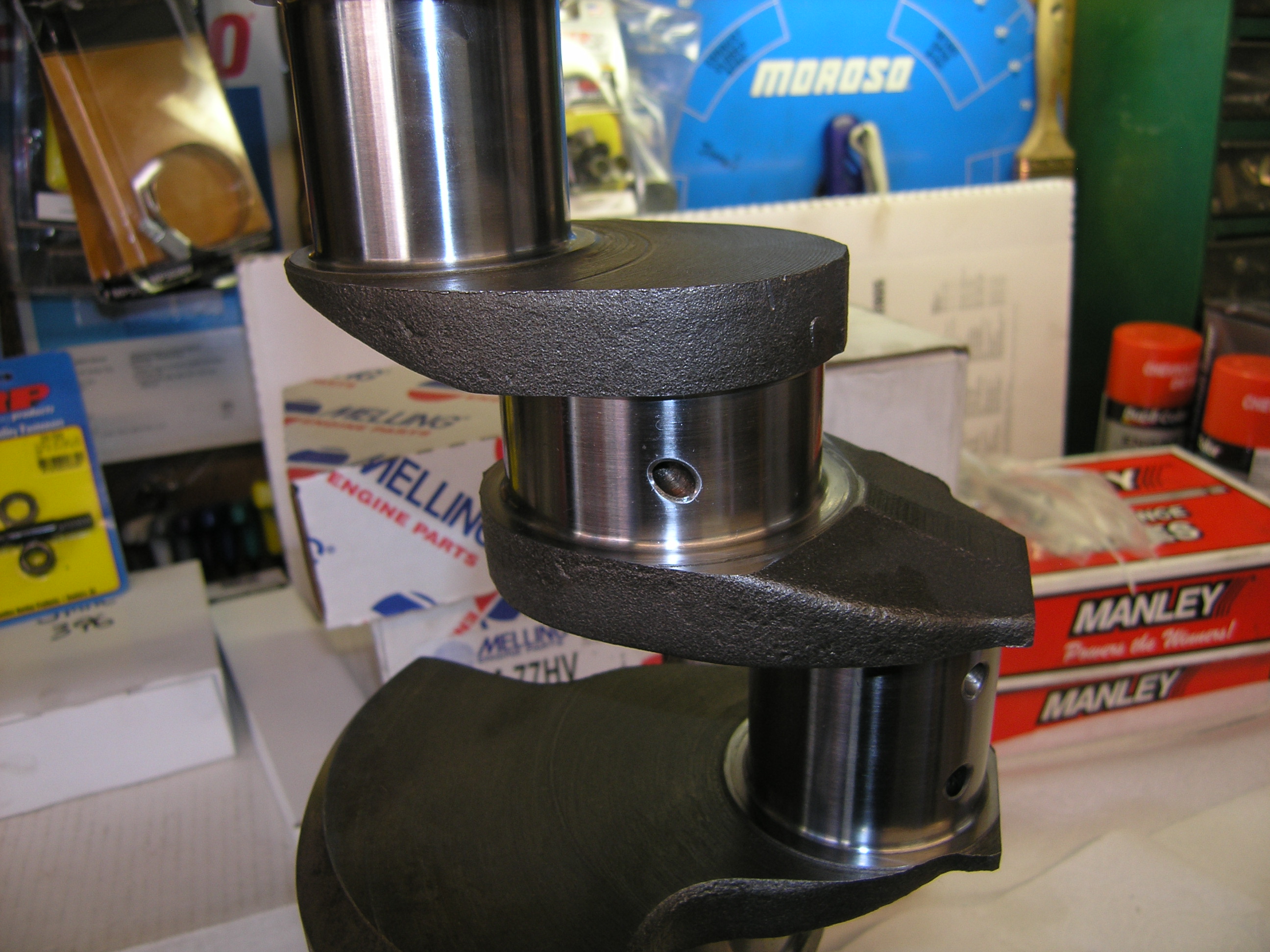
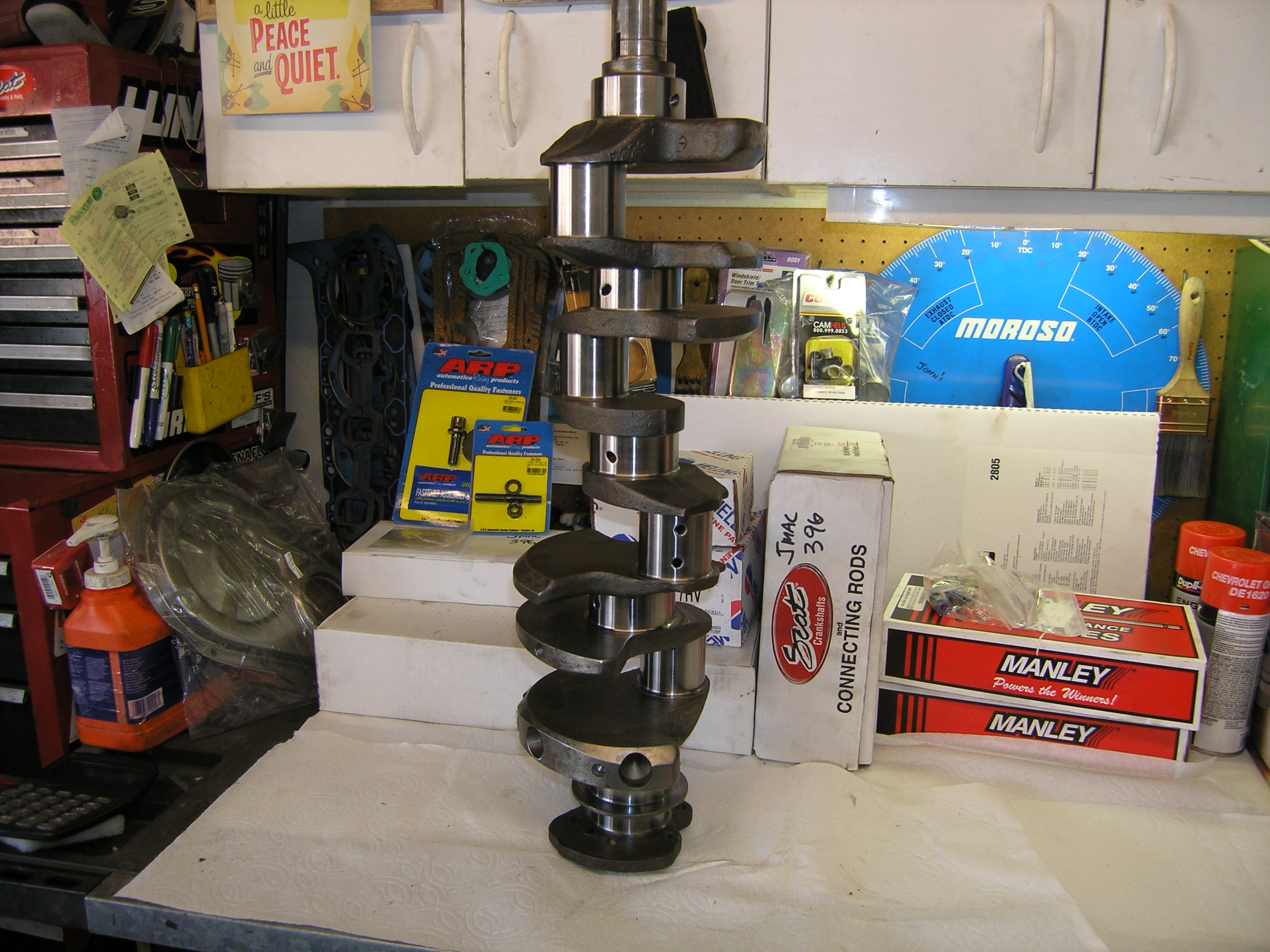
This 396 already had a great factory forged steel crankshaft. It was turned .010 under on both the mains and the rod journals, polished, oil holes were chamfered, and balanced.

Stock size 6.135″ Scat full floating connecting rods with ARP bolts, forged Icon pistons, and Hastings single moly piston rings were used. Piston to wall clearances were set between .0035″ – .004″.
The pistons have a small dome which creates a total of 9.5/1 compression with the 98 cc combustion chambers.
Main and Rod clearances were set to .00275″and .0025″ respectively and the crankshafts end play was set to .005″
The oil pump is a standard volume, standard pressure Mellings. Unless you’re planning on running a 7 quart oil pan or larger a hi-volume pump is not recommended. The oil pump received the usual blue printing to ensure the relief valve worked properly and the cover to gears clearance was correct.
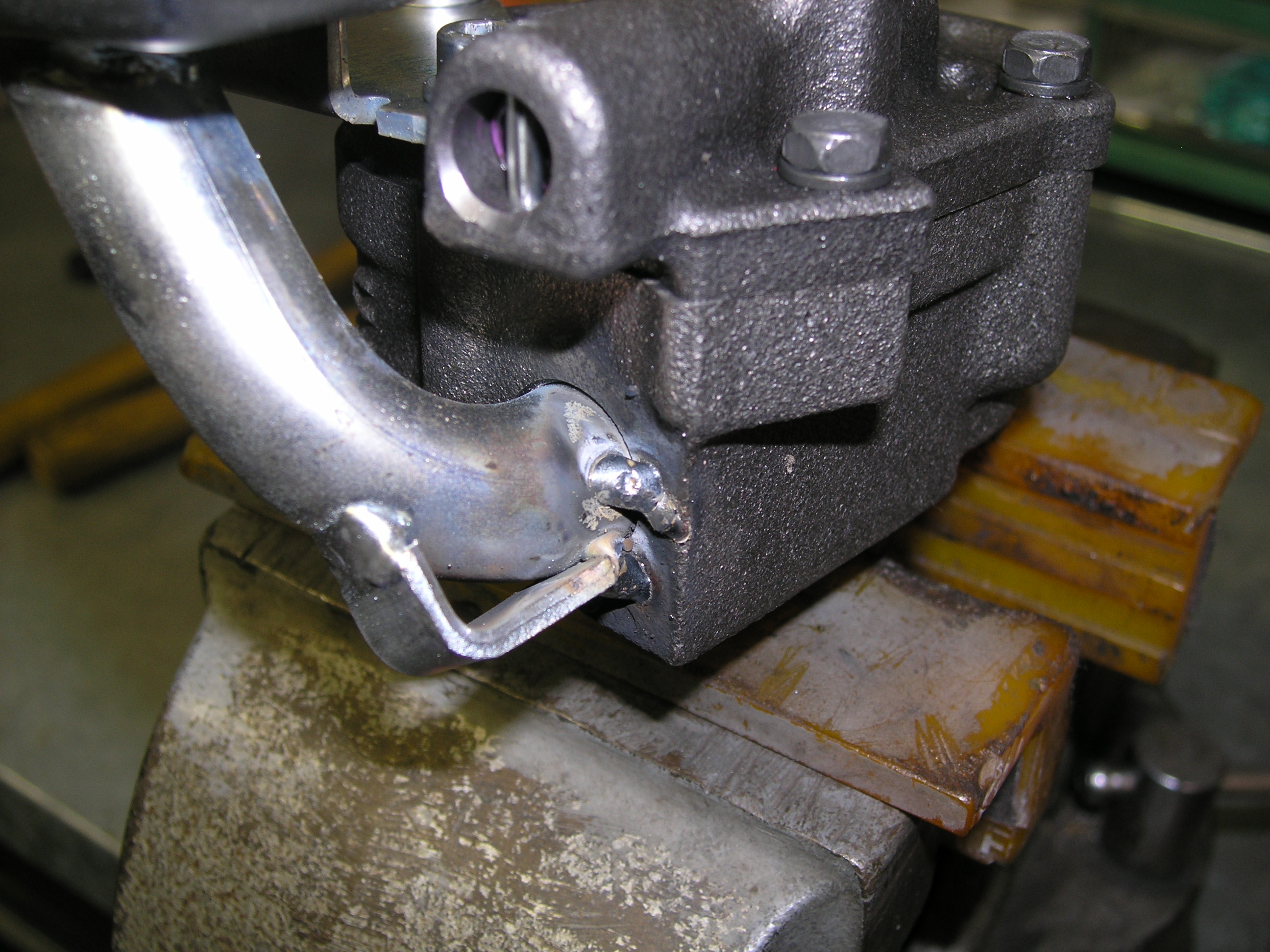
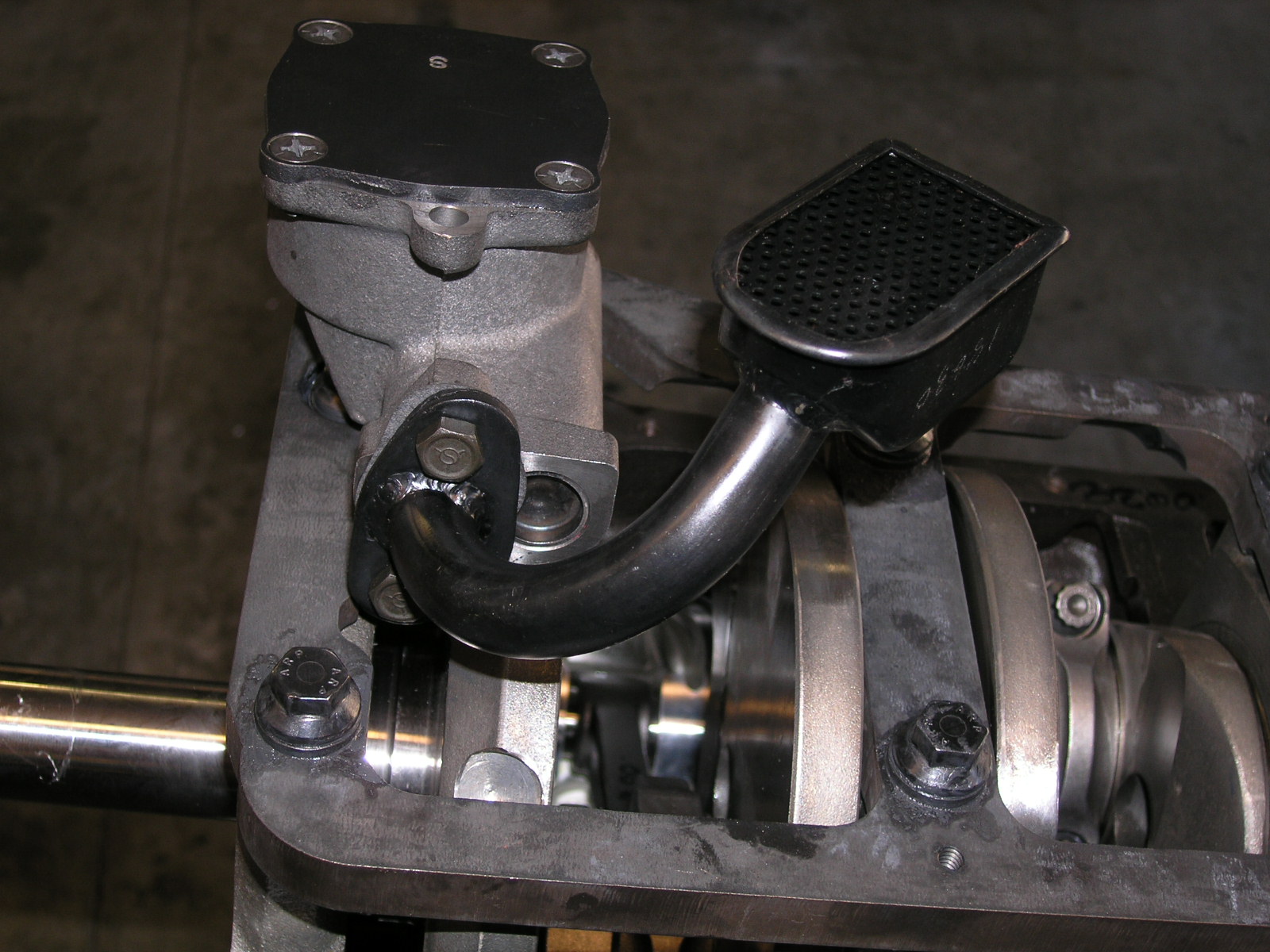
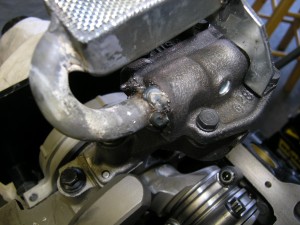
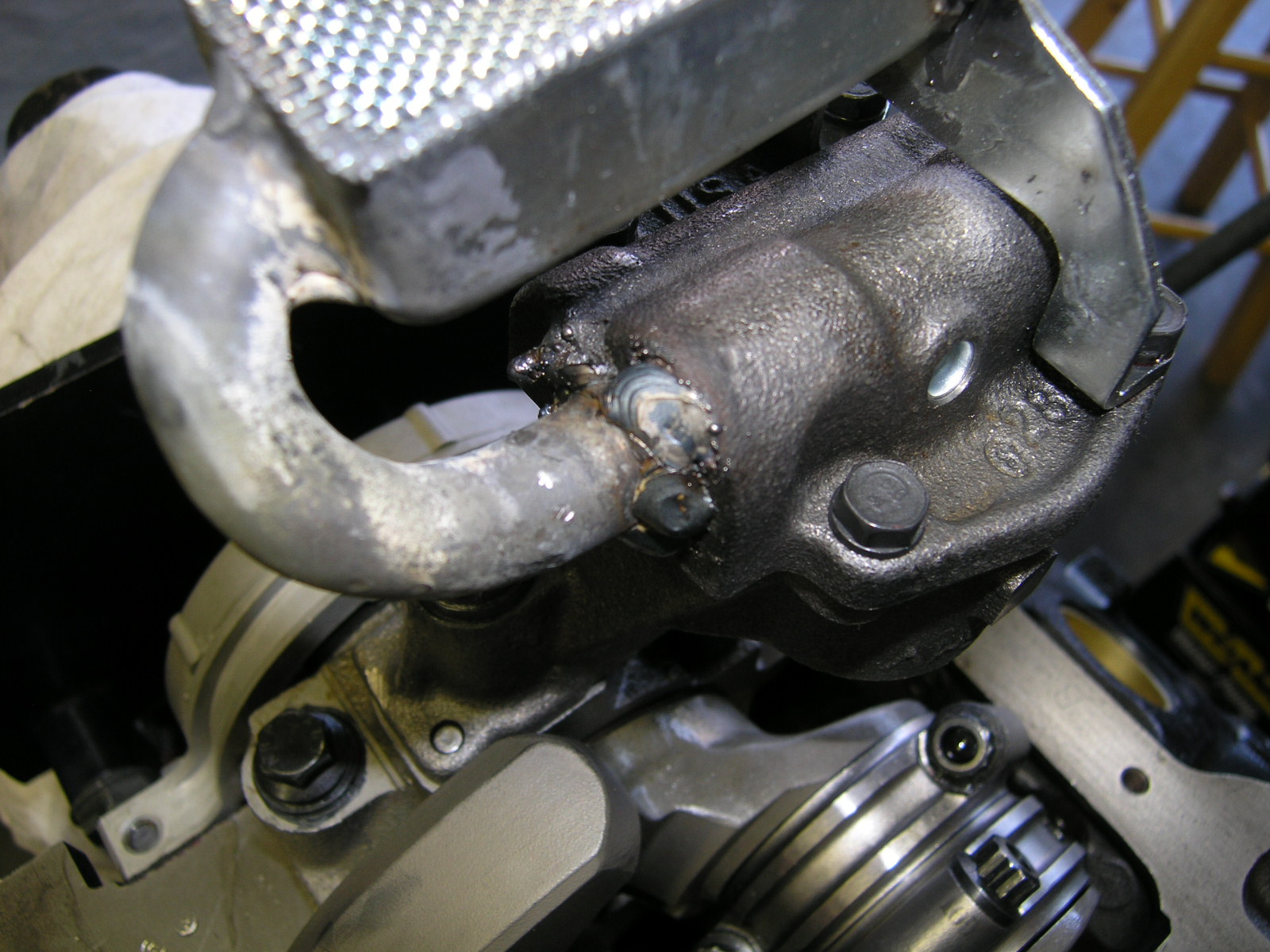
Notice the oil pickup is tack welded to the pump to ensure it does not come loose
The pistons were set at .015″ below the deck
The Valve Train
The heart of the valve train is a Comp Cams custom grind billet hydralic roller # 2640-16 Intake .510″ lift 230 @ .050 – exhaust .520″ lift 236 @ .050 on a 110 lobe center.
Note: because this is a 1966 block the rear camshaft main journal and the rear cam bearing both have a groove machined in them. Using a non-grooved camshaft and rear bearing in the earlier block with result in engine failure!!
Finishing the rest of the valve train are Comp Cams hydraulic retro-fit roller lifters, Comp Cams one piece push rods, and Scorpion 1.7 ratio roller rocker arms
A double roller timing chain with a Torrington bearing a long with a nylon cam button was installed. Because the block was line honed a .005″ smaller timing chain had to be used.
The cam was set at 2 degrees advanced
Induction, fuel system, and ignition
A Quick Fuel 750cfm double pumper carburetor, Weiand duel plan intake manifold, Edlebrock hi volume mechanical fuel pump and a HEI distributor was used.
The HEI distributor was recurved to have 14 degrees of timing at idle and 38 degrees of timing at 3800 RPM
This engine has the performance needed to be successful at the drag strip or auto cross but has the manners to be a great street cruiser
Click on the link below to see and hear it run on the engine stand
396 big block Chevy 450 horsepower – 480 Lb-ft torque
468 Big Block Chevy – 624 horsepower – 590 lb-ft torque
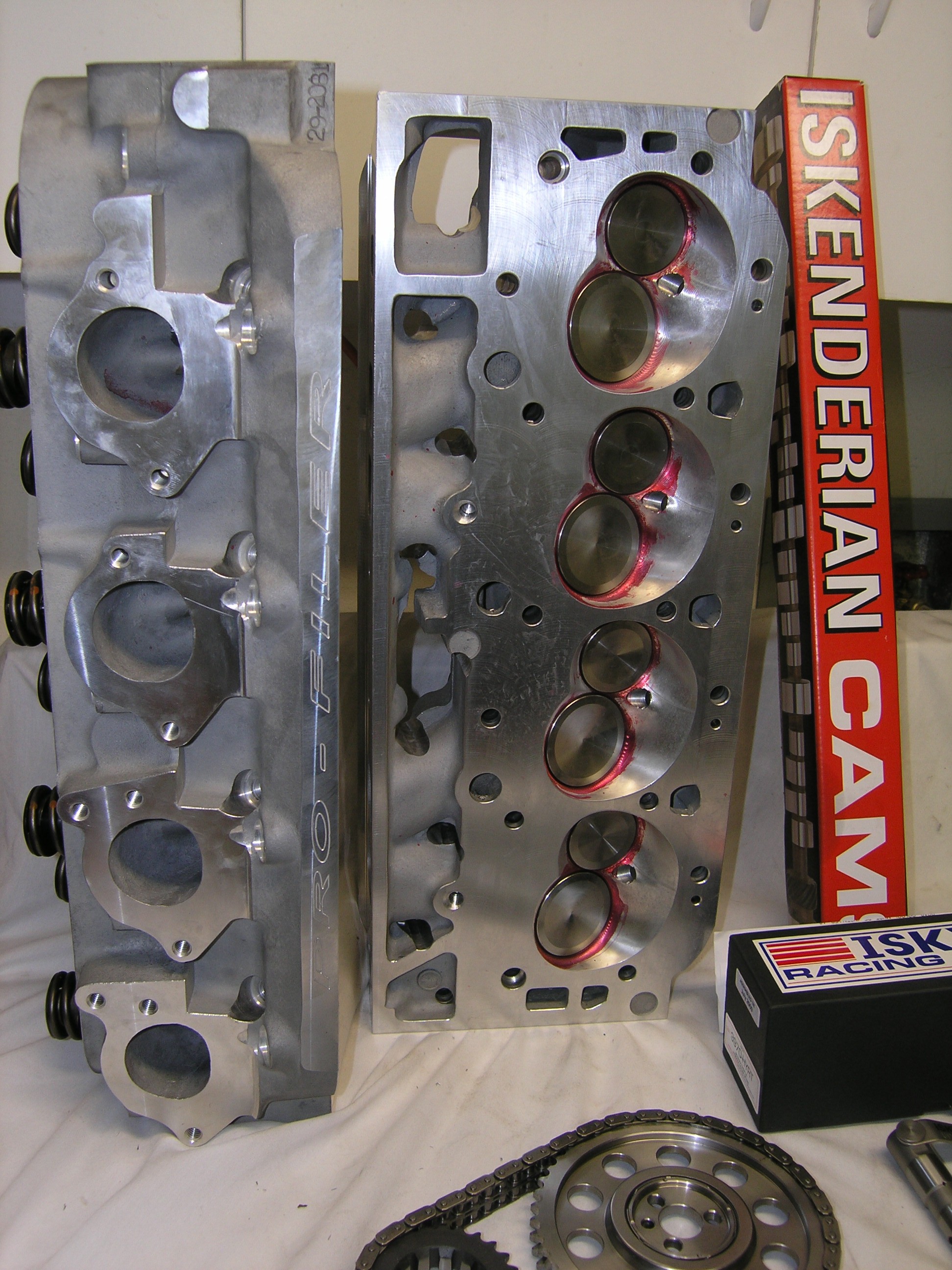
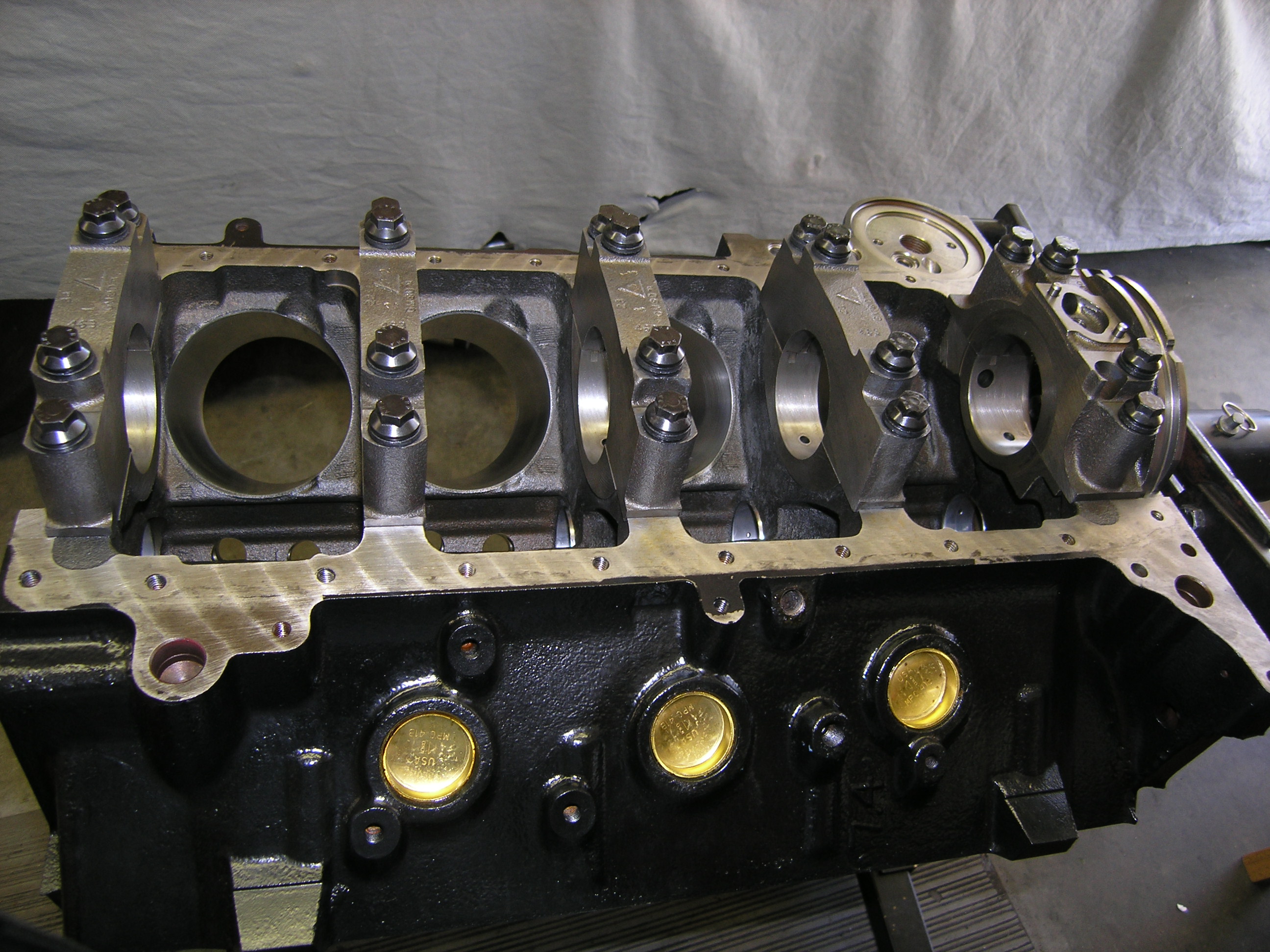
A Gen V four bolt main 7.4L block and all the parts that will go into 468 build
Forged SRP Pistons, Scat 6.385″ connecting rods with ARP bolts
An Iskenderian hydraulic roller cam, Cloyes double roller timing chain, a pair of Profiler 290cc aluminum cylinder heads
The beginning
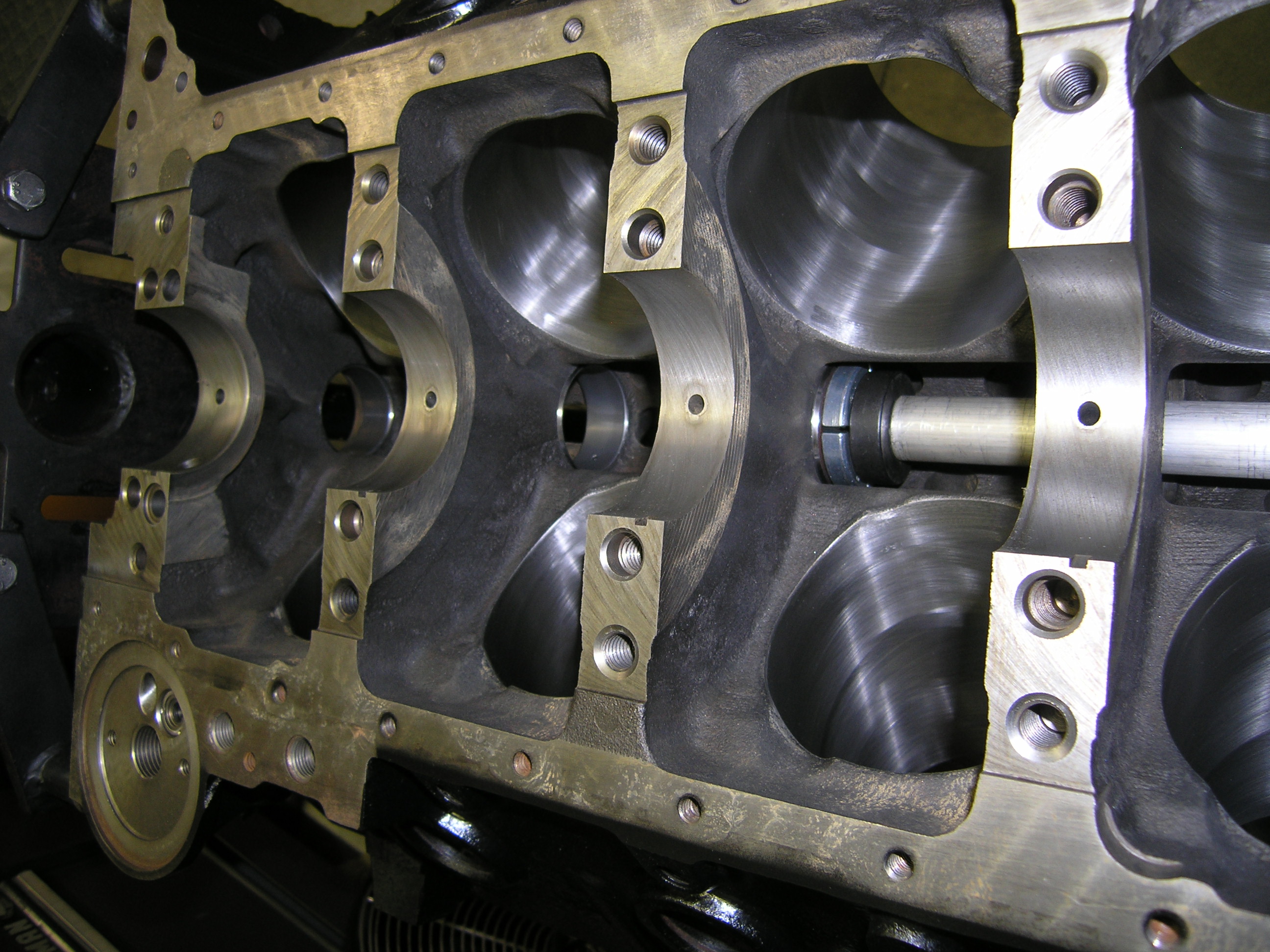
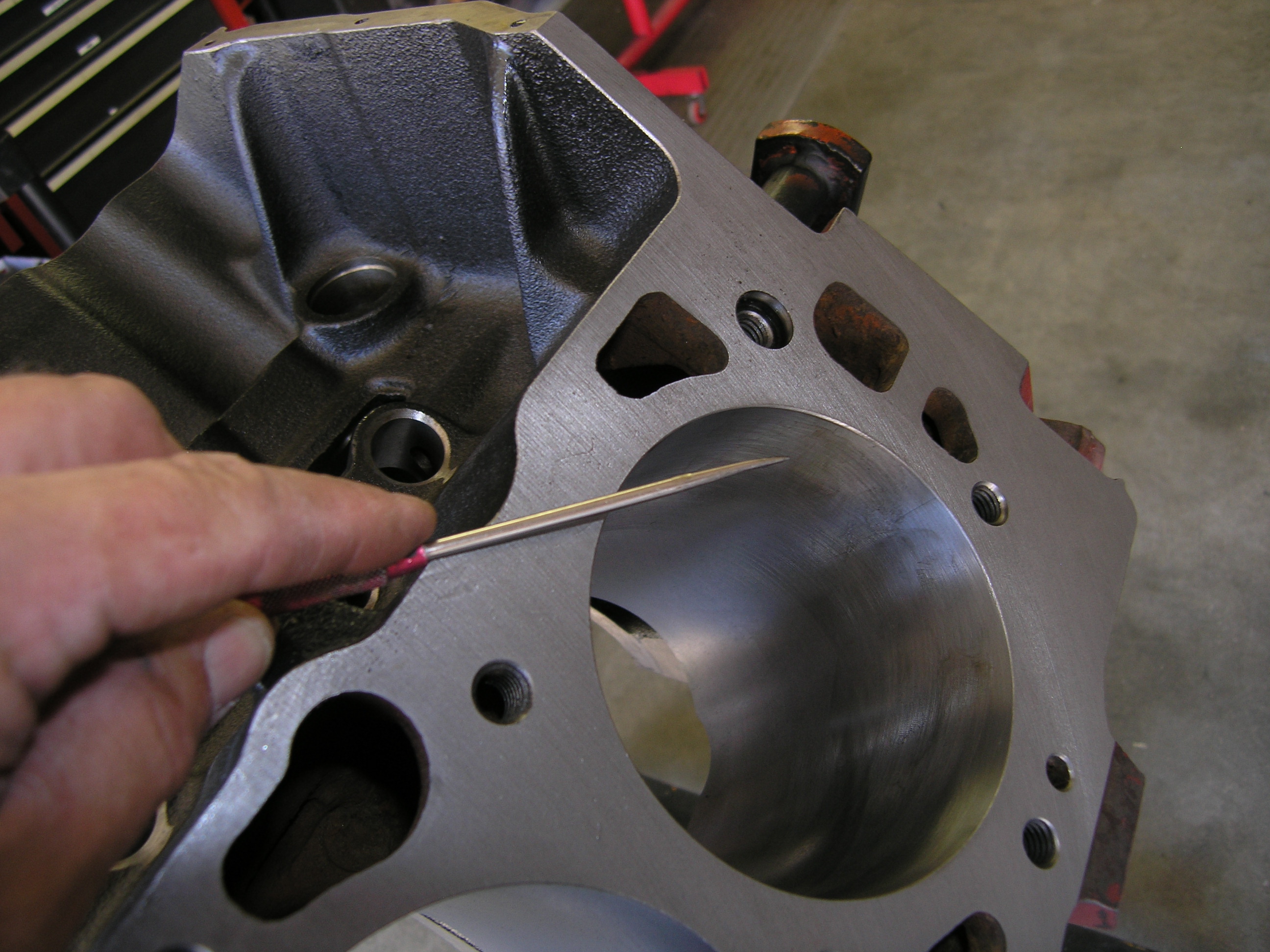
A Gen V – 4 bolt main 7.4L (454) block hot tanked, magged for cracks, line honed, bored .060 over, decked to zero deck height
Removed the extra casting flash and cleaned all threads with a thread chaser, installed new dura bond cam bearings, the top and bottom of the cylinders were chamfered to improve ring installation reduce scuffing of the piston skirts
Checking bottom end clearances
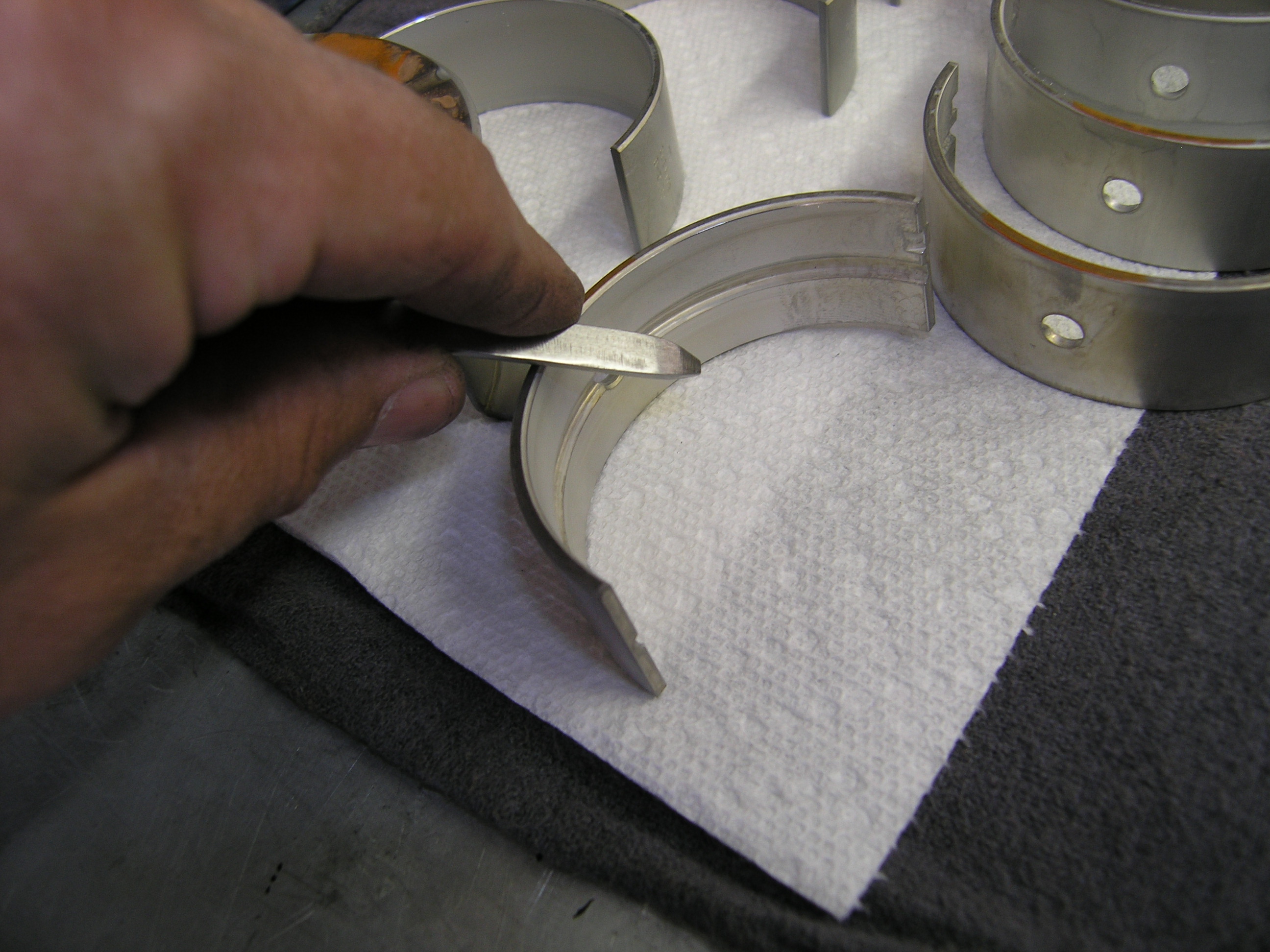
I cleaned and deburring verifying the quality of the bearing finish and ensure they are burr free before installation
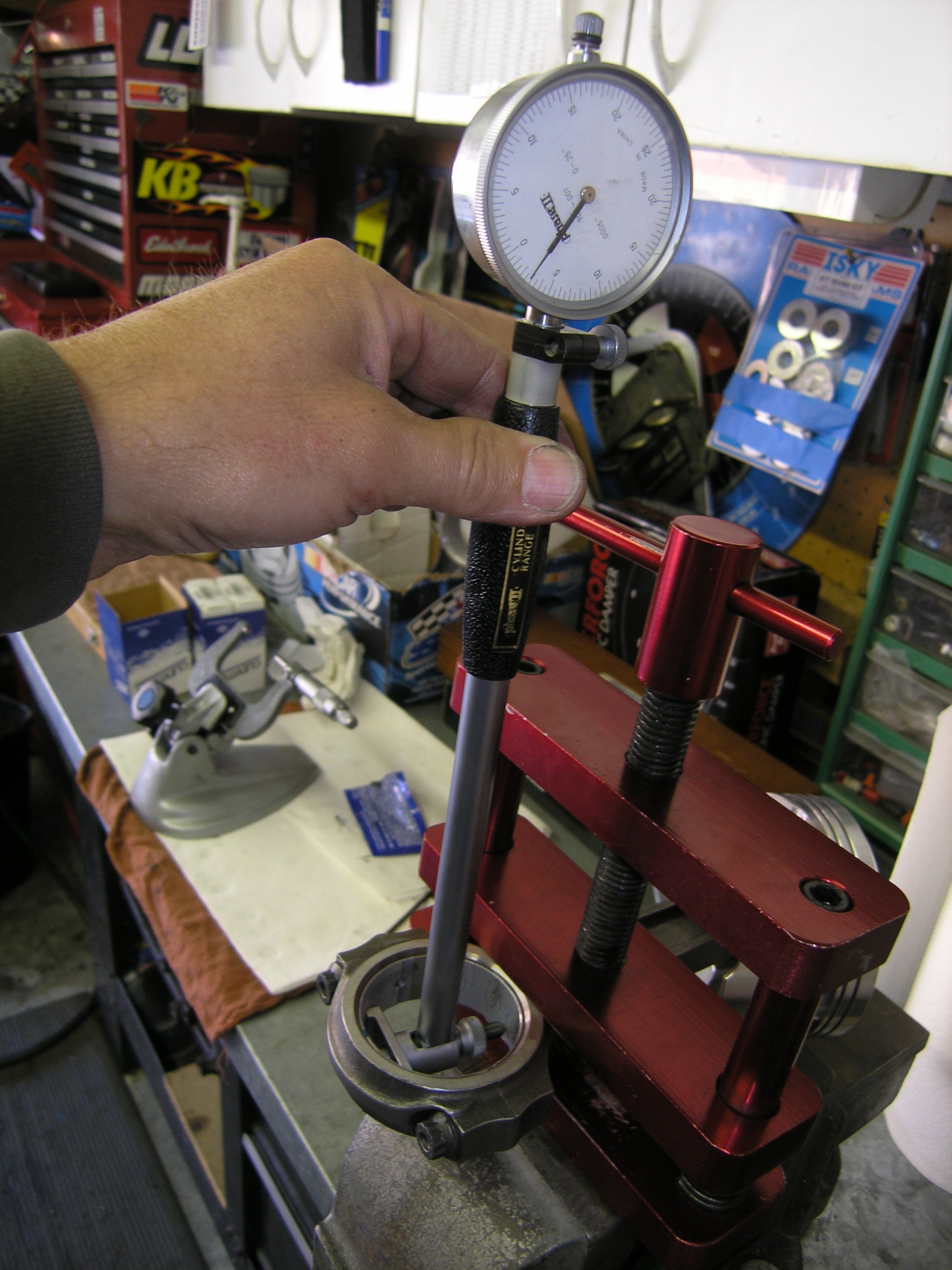
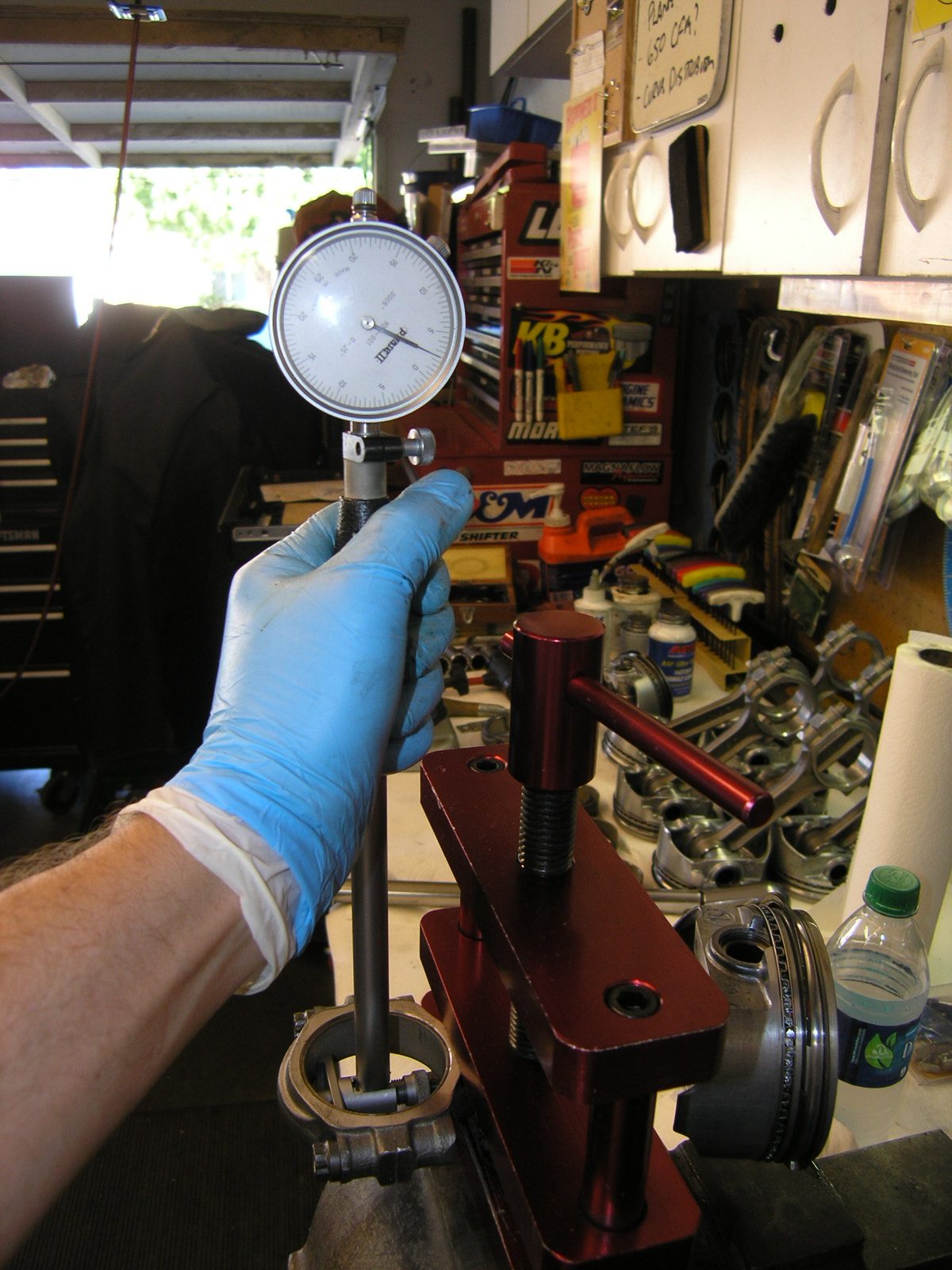
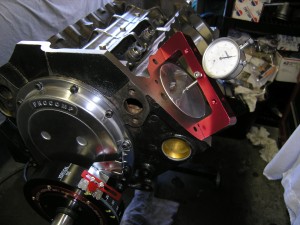
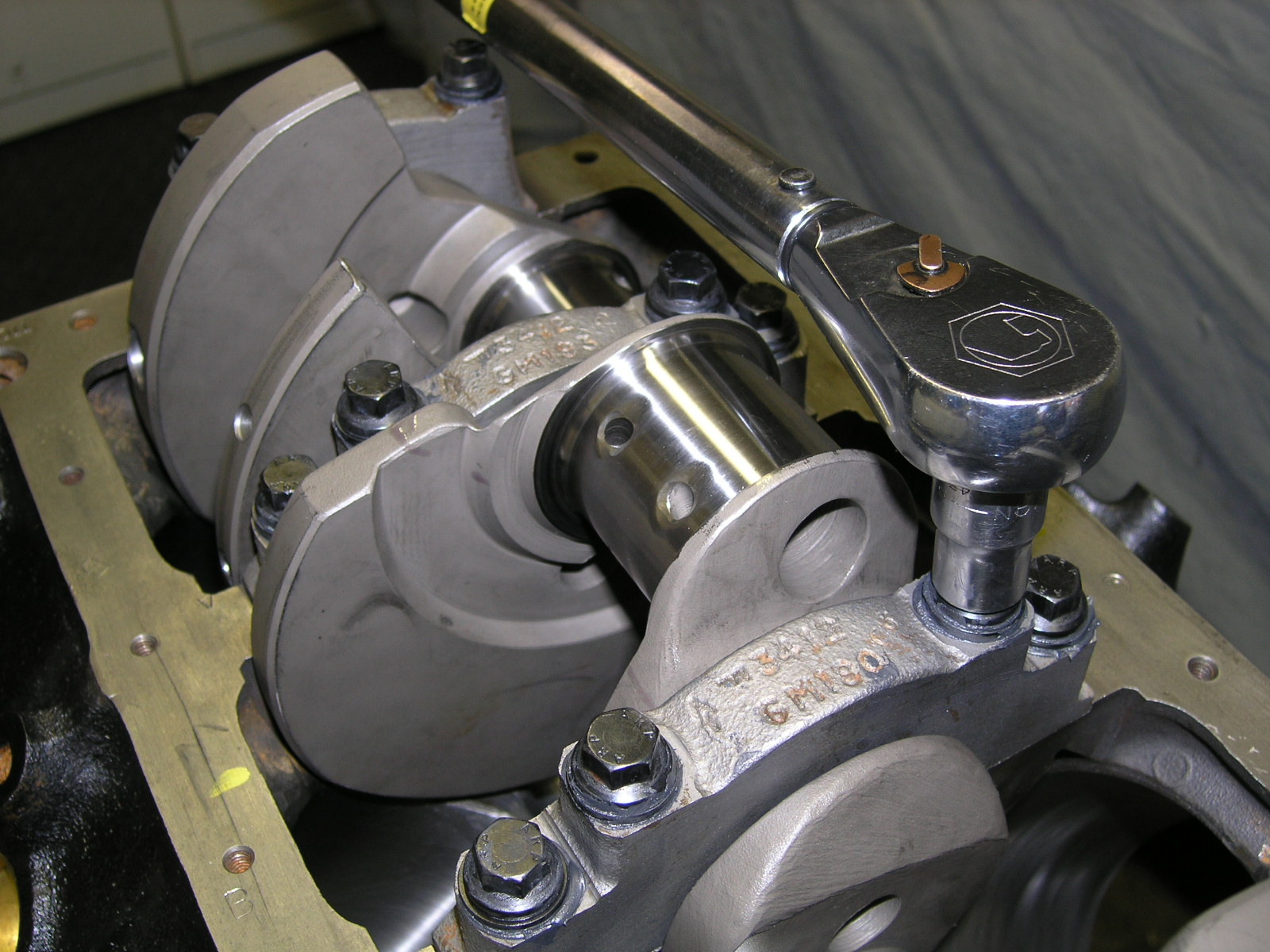
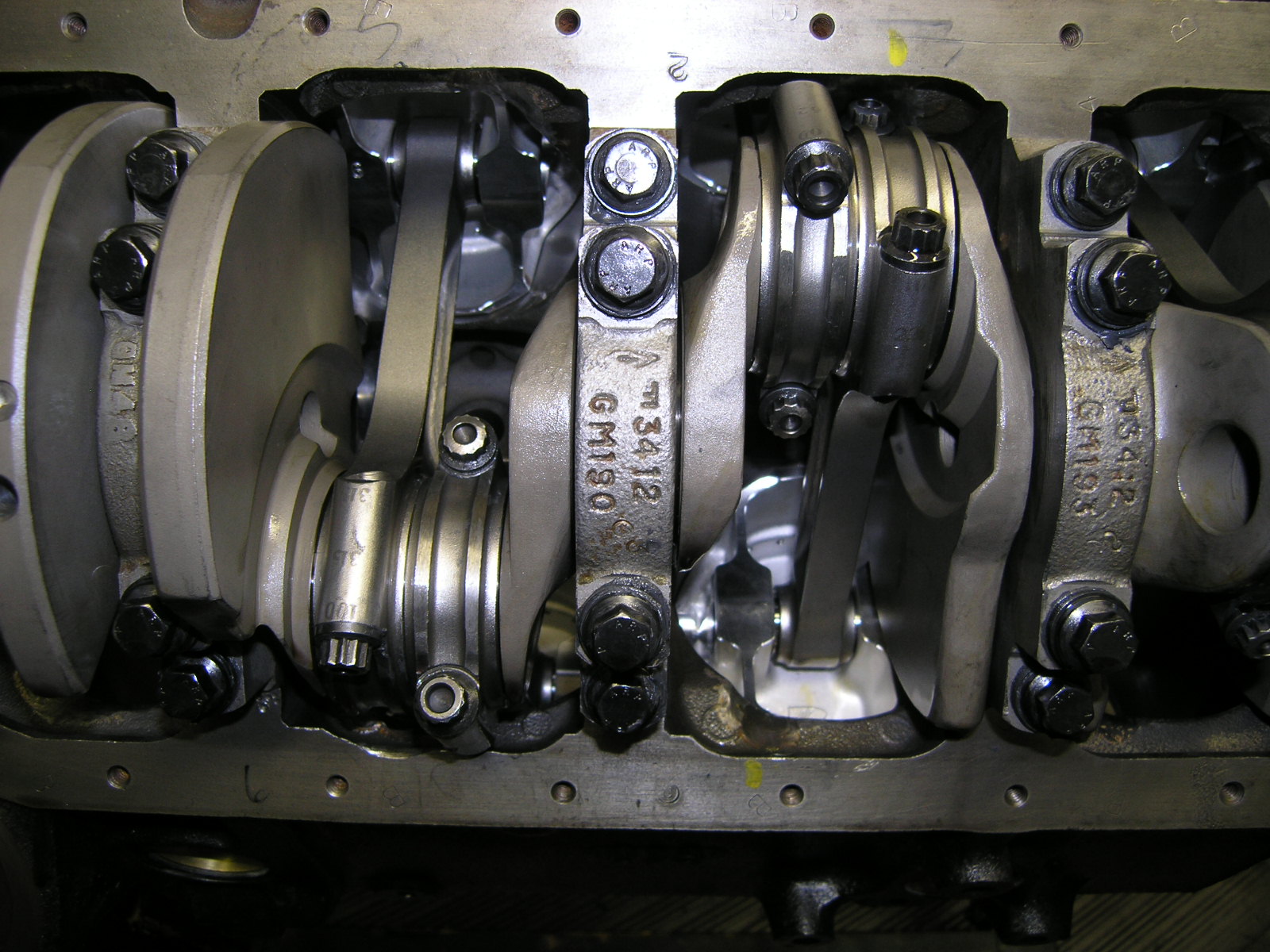
I torqued the ARP main cap bolts to 100 lb-ft verify the crank main journals (2.748″) then checked to journals (2.751″) to get our (.003″) bearing clearance The rod journals were (2.194″), torqued the ARP rod bolts to 63 ft-lb, verify the connecting rod bearings (2.219″) to get our (.0025″) bearing clearance Note: The first set of rod bearings yielded a (.003″) clearance after installing a slightly under sized bearing we got our (.0025″) clearance
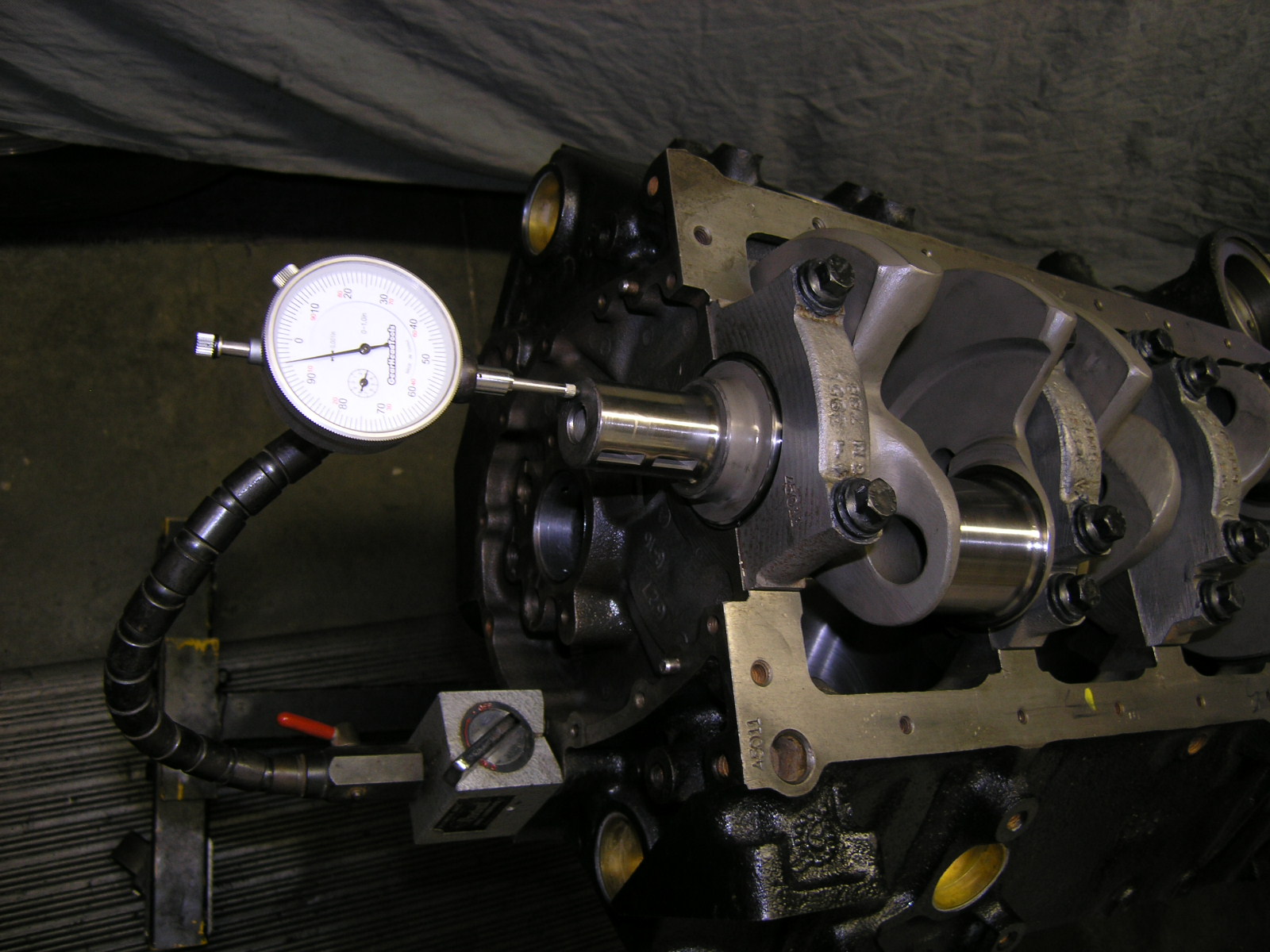
checked the crankshaft end play with a few taps of the rubber mallet it was (.006″)
Bottom end installed
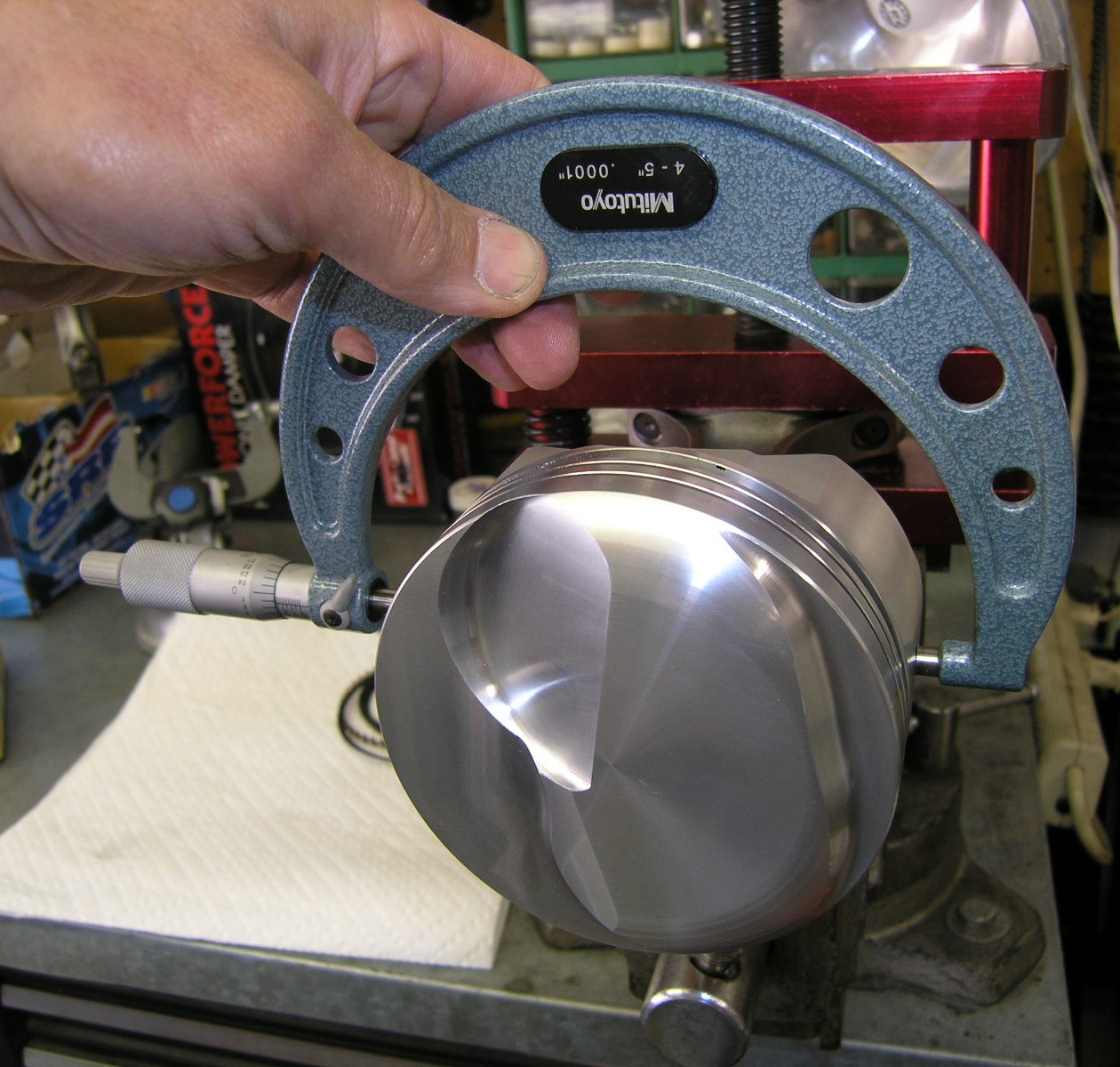
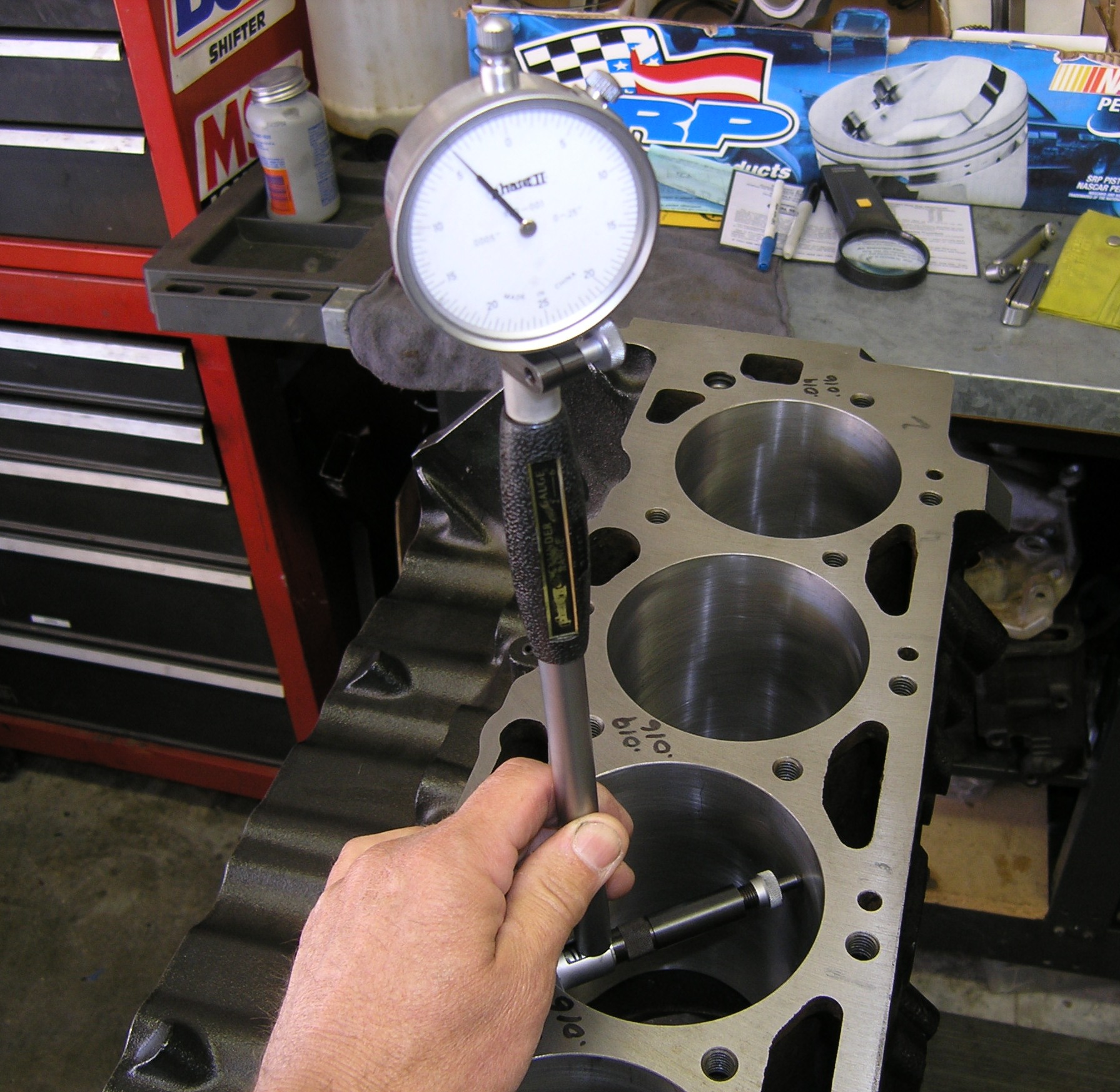
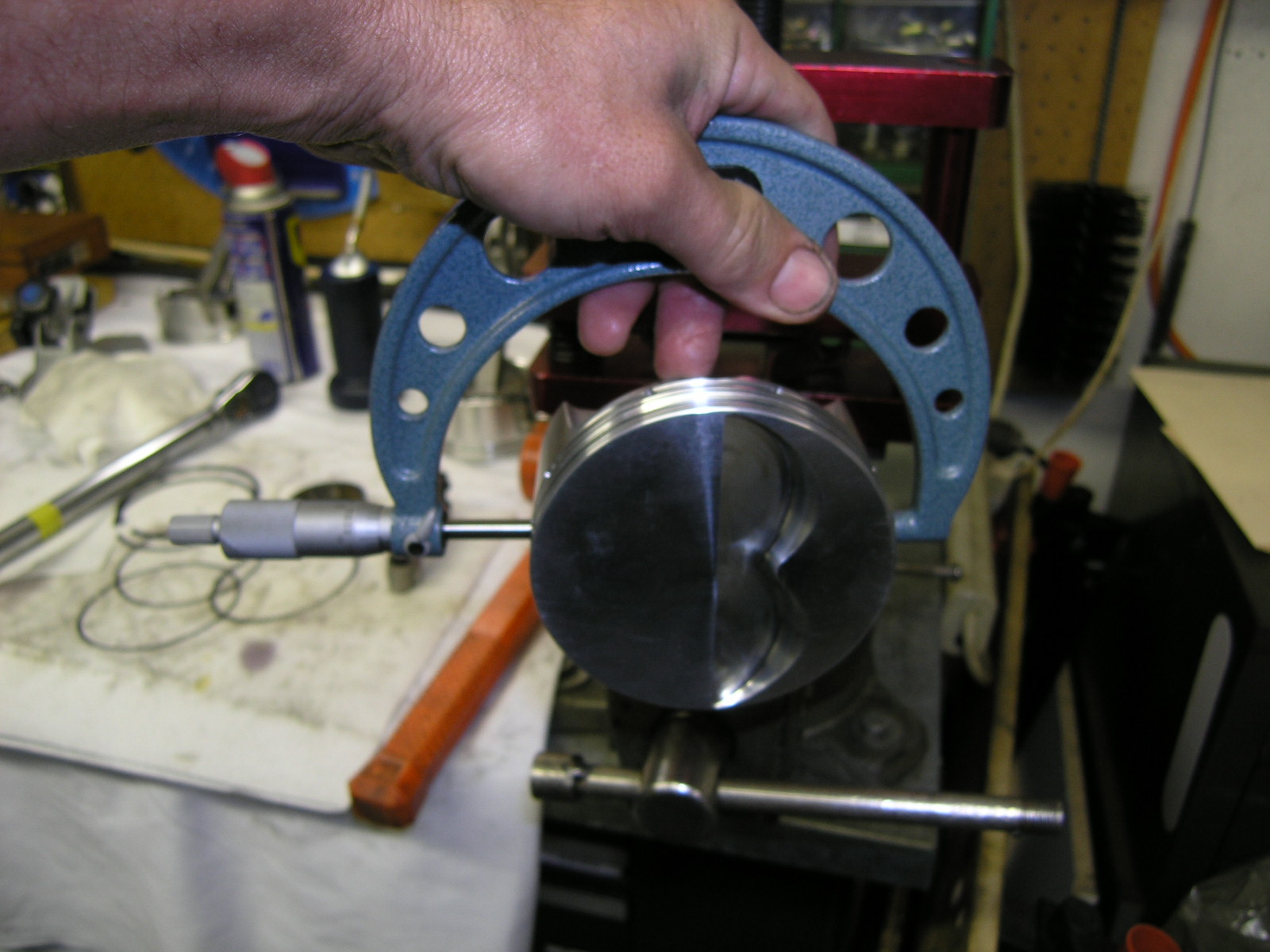
The forged SRP piston diameter (4.277) the cylinder diameter was (4.281″) gave use (.004″) piston to cylinder wall clearance
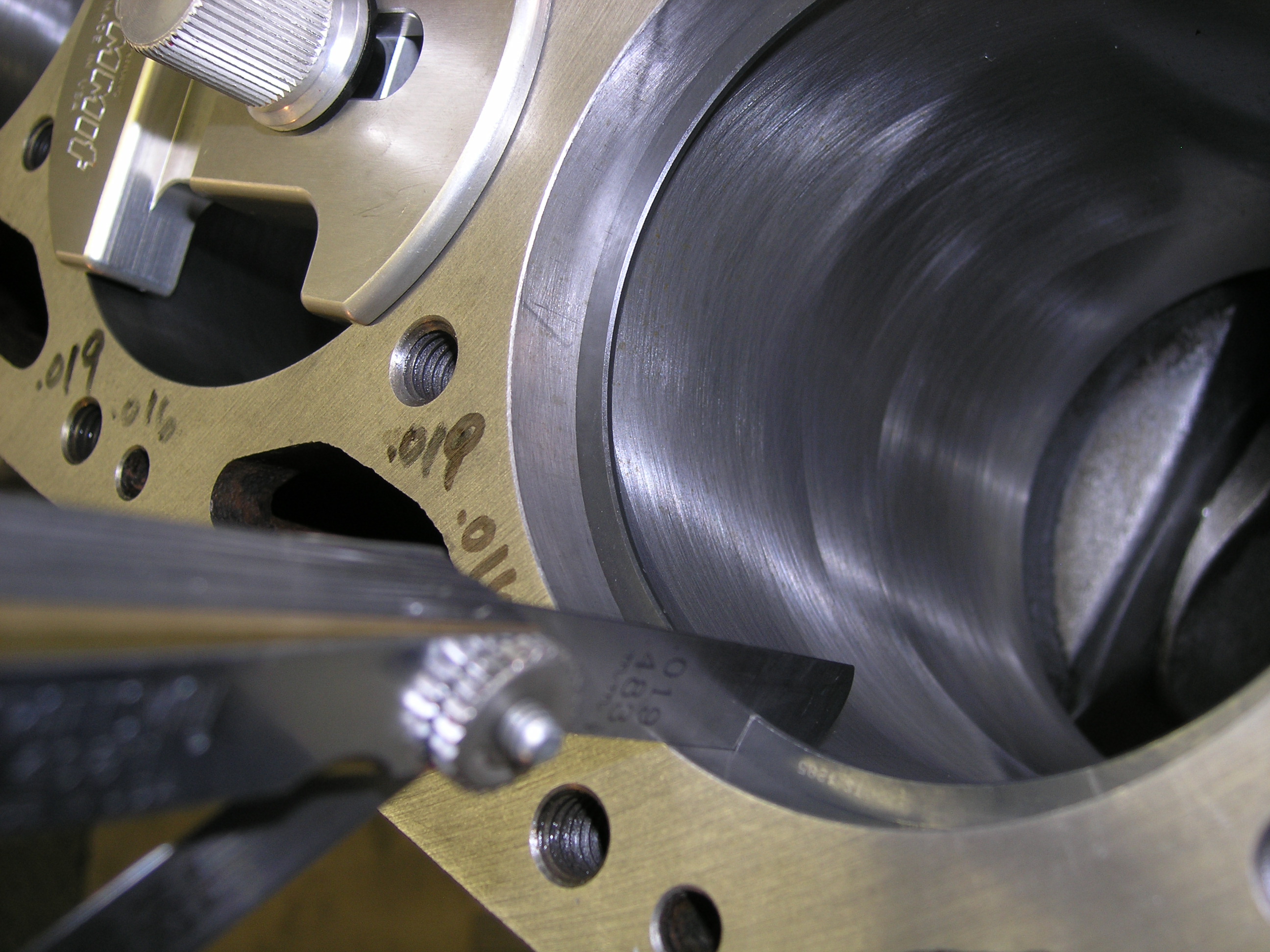
To insure proper cylinder sealing and minimize oil consumption the ring end gap needs to be set. I used a set of Total Seal file fit rings which are (.005″) larger than the bore diameter. This allows the builder to cut the rings to the exact size for each cylinder. The ring manufacturer calls for a (.019″) top ring and (.016″) second ring end gap. Each ring is hand filed and fitted to its specific cylinder.
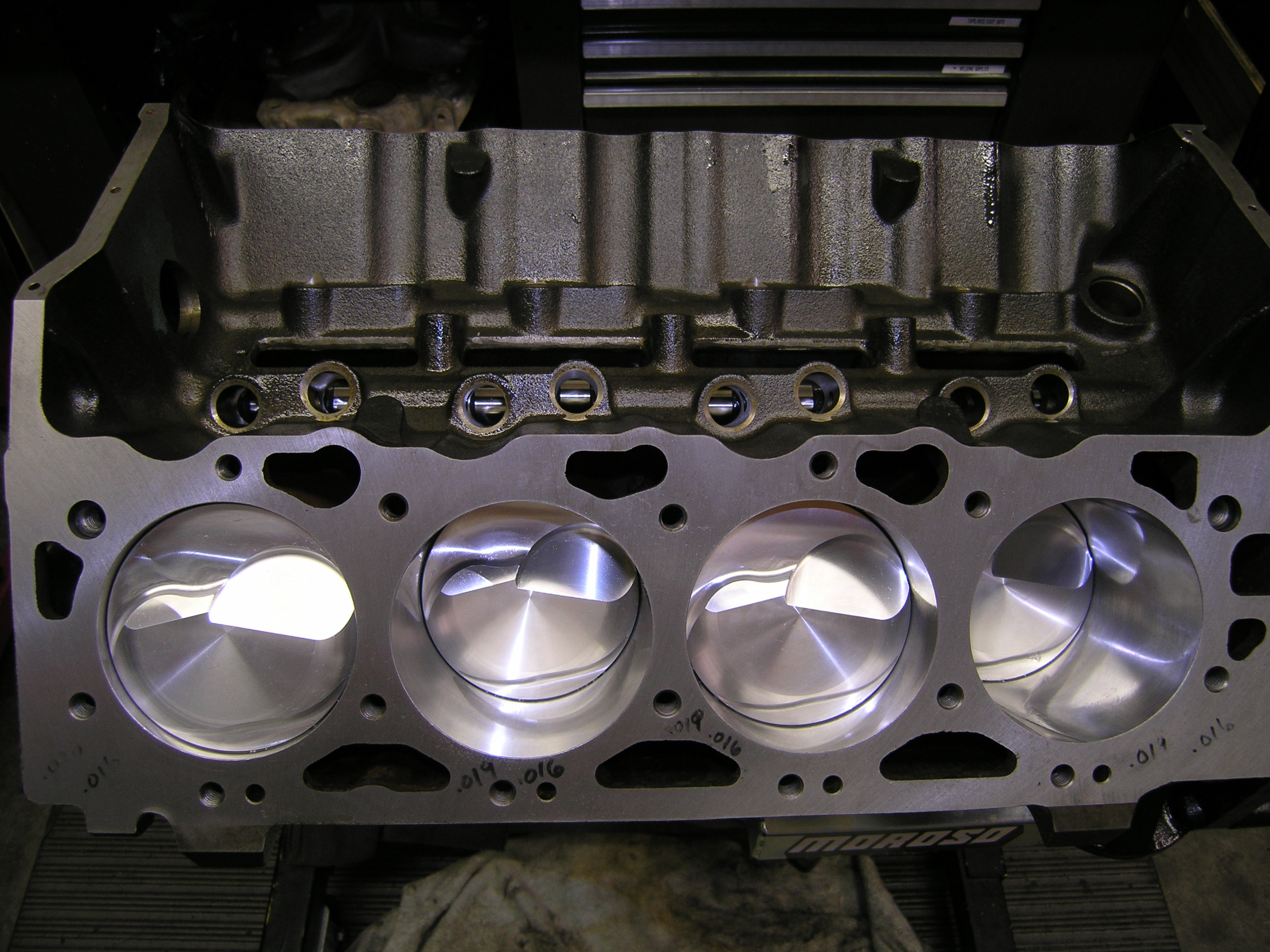
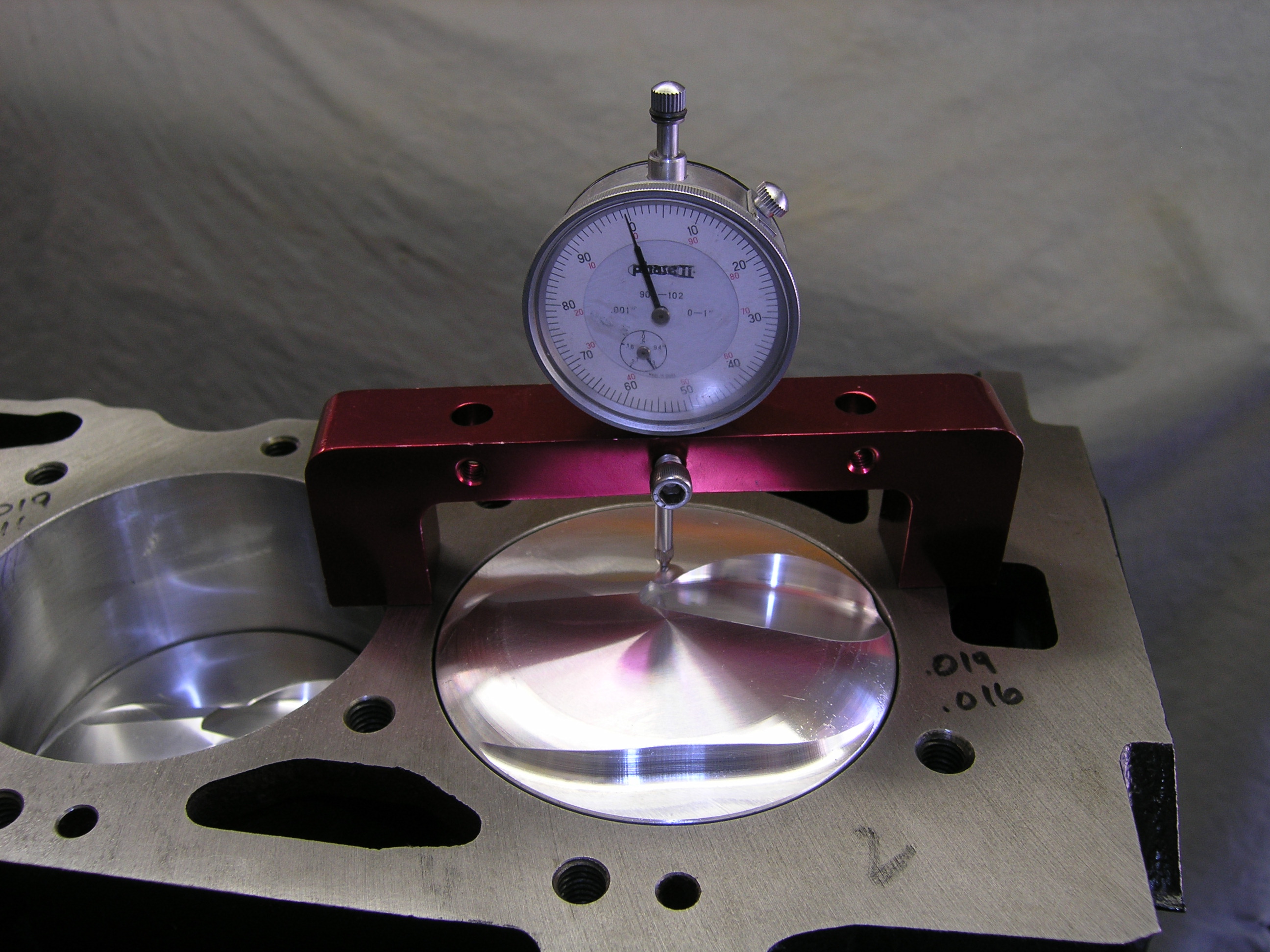
The pistons are installed and I check the deck height (.000″)
After the pistons and rods are torqued down the rod side clearance is checked (.023″ – .024″)
Camshaft and oiling system installed
I installed an Iskenderian hydraulic roller cam 396284/294 installed it +3 degrees advanced
I installed a timing chain with a Torrington bearing the Gen V Big Block timing chain covers are hard to come so I modified the existing cover but I welded on an additional plate to stiffen it up, the camshaft end play is (.005″)
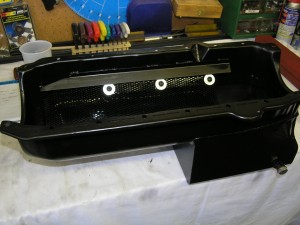
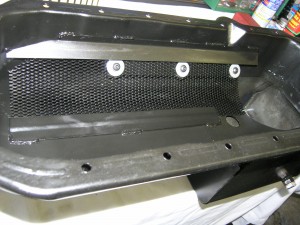
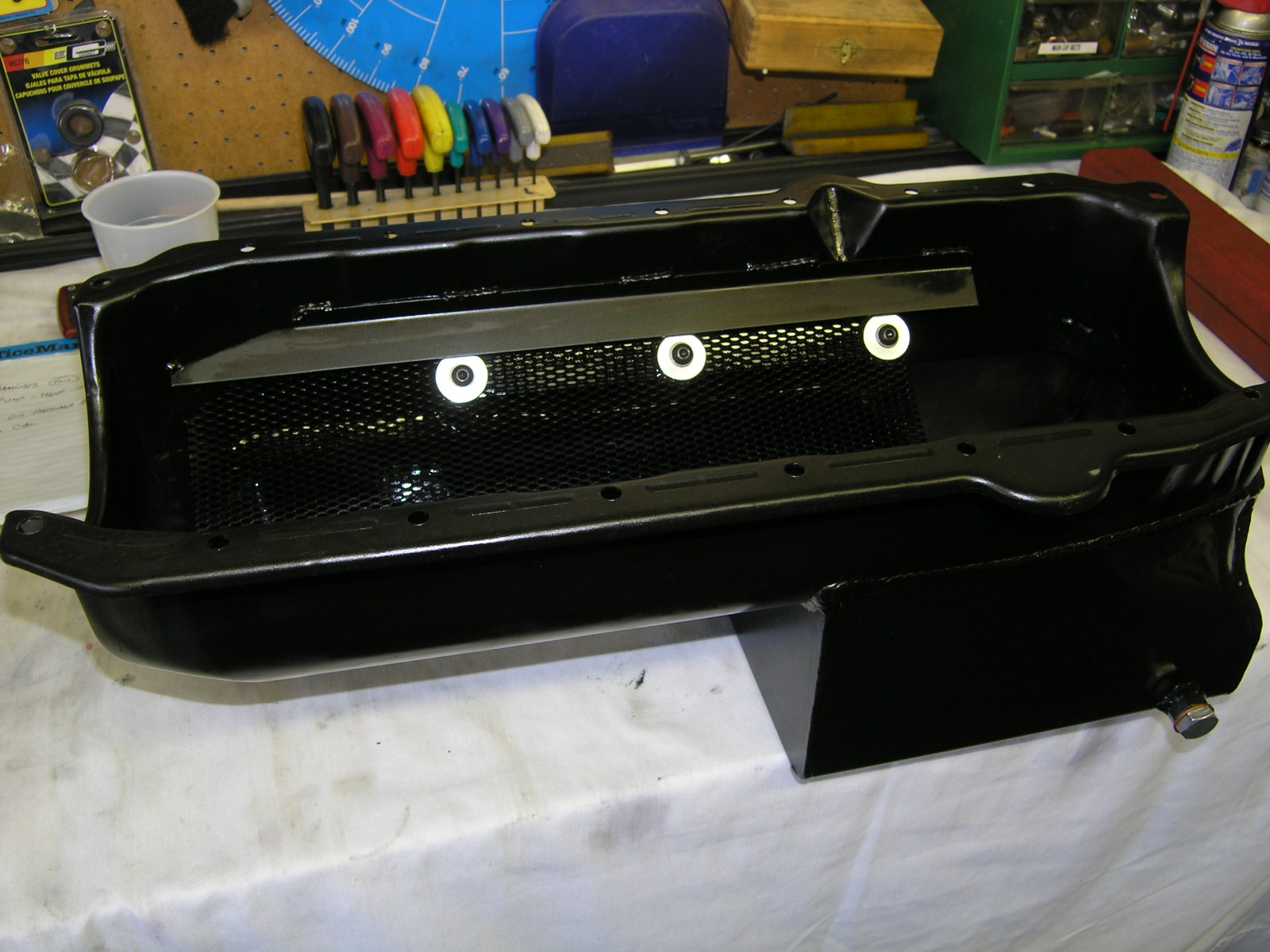
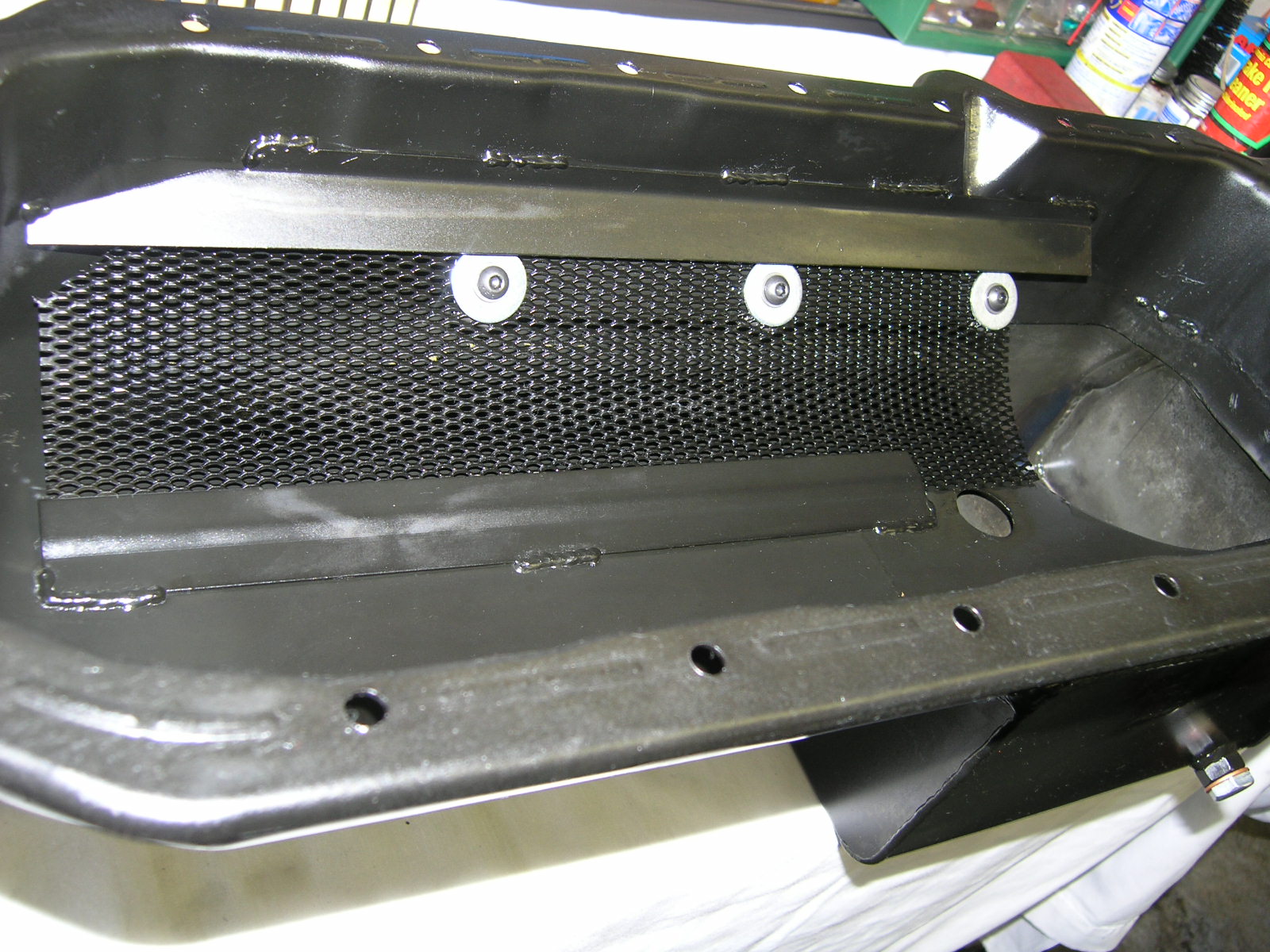
I installed a 7 Qt. Moroso pi; pan with an oil scraper
The oil pump pickup to oil pan clearance was set at (3/8″) I tack welded the pickup to the pump
Heads, valve train, and induction system installed
The rocker arms, lifters, and push rods were installed, piston to valve clearance on the intake (.220″) and exhaust (.200″)
The valve train geometry and push rod length was verified the push rods lengths ended up at (7.650″ and 8.650″)
Installed an Edelbrock Performer RPM Air-Gap intake manifold, Speed Demon 850 CFM double pumper carb and MSD billet distributor

Dyno Testing – Judgement Day
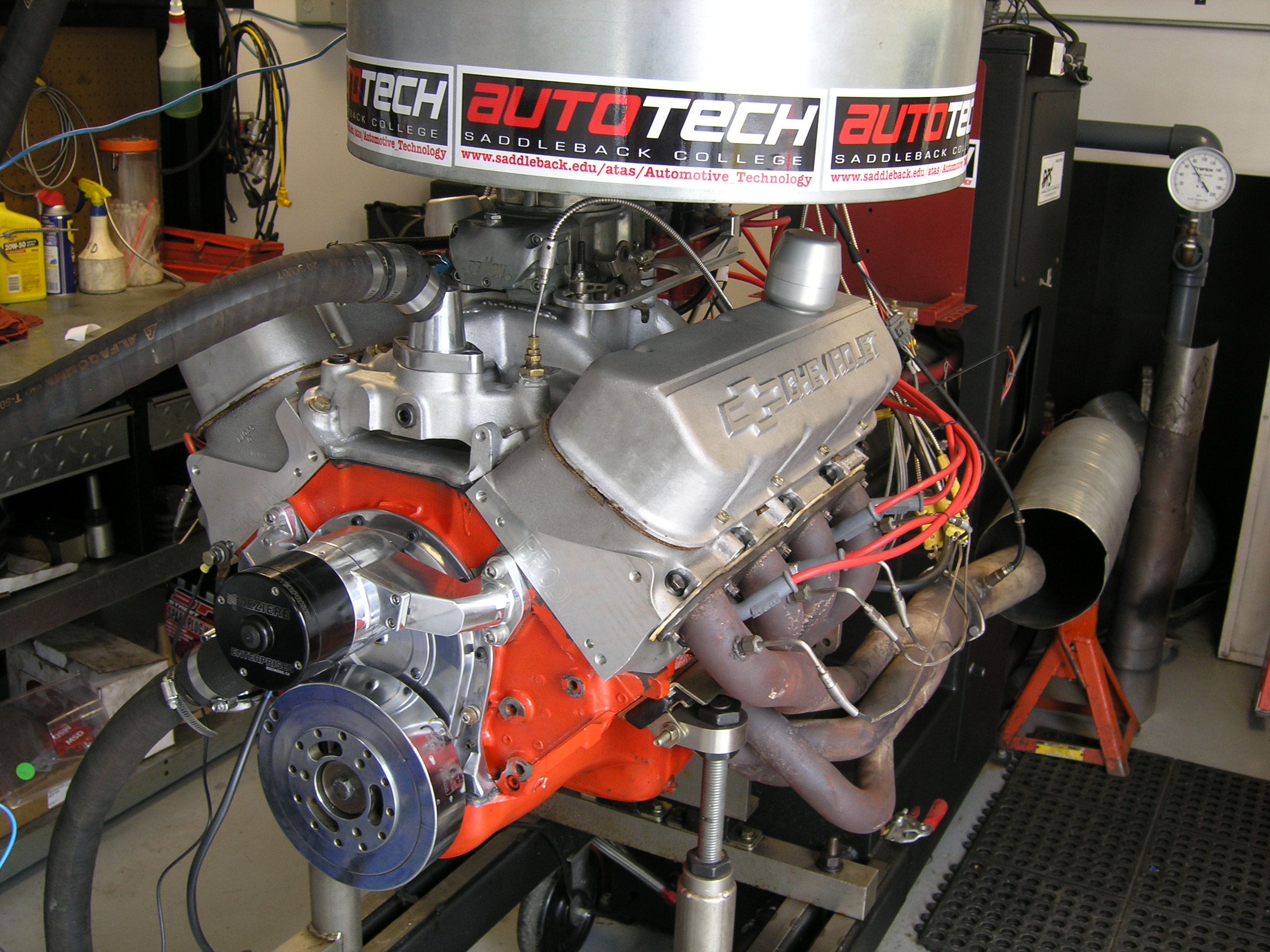
I ran the 468 on a DTS Powermark dyno at Saddleback Community College in Mission Viejo Calif.I did a 20 minute break-in verify timing and set the air/fuel ratio and after a quick cold down period we let the 468 go pulling it to 6500 RPM
624 horsepower – 590 lb-ft torque on 91 Octane pump gas
Click here to view the JMac Performance built 468 on the dyno
This engine is a great example of what can be done when the proper parts are used and the proper engine building techniques are implemented
Contact JMMcKindley990@gmail.com if you’d like more details on this engine build
383 Small Block Chevy 440 Horsepower – 473 Ft-Lb Torque
The goal with this build was to make a strong engine that has good street manners and enough power to be competitive at the track or for off-roading.
“Block Prep”
The build started with a good factory 4 bolt main block that was magnifuxed, bored and hone .030″ over with a torque plate, line honed, then decked. All the block casting flash was removed and the oil return holes in the lifter valley were cleaned up and radiused.
The block was cleaned, all the bolt holes chased and chamfered to ensure the heads would sit flush on the deck. The oil galley holes behind the timing chain were tapped and threaded pipe plugs were installed.
The bottom of the cylinder bores were sanded with emery cloth to eliminate the sharp edge to reduce scuffing of the piston skirts
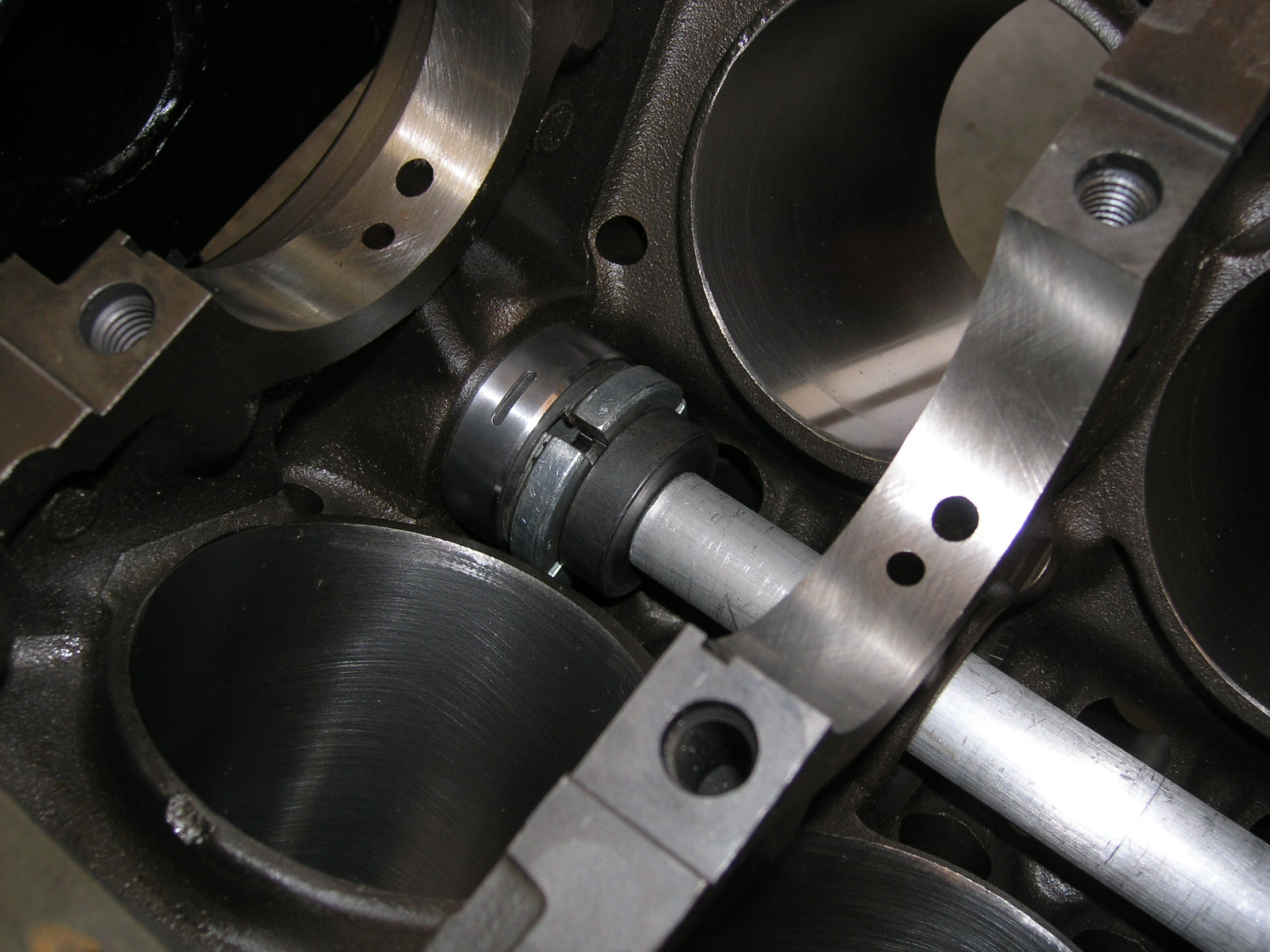
The galley plug under the rear main cap was removed and replaced. Dirt and small metal shavings from the machine work usually hide behind this plug, this is the best way to clean it out
“The Bottom End”
The bottom end needed to handle 600+ horsepower so a SCAT bottom end kit was used. It has a cast steel 3.75″ stroke crankshaft, 6.0″ connecting rods, KB pistons with floating wrist pin, Speed-Pro moly piston rings, and Clevite bearings. All bearings were deburred before installation.
I installed Dura bond performance cam bearings.
The main bearing clearances were checked, all of came in at .0025″. The main cap ARP bolts were torqued to 75 lb-ft on the inner bolts and 65 lb-ft on the outer bolts
The crankshaft end play which was set at .004″
The pistons rings were cut to .026″ top – .022″ Second, .015+” oil ring, The piston to cylinder wall clearances were verified at .0026″ – .028″, the connecting rod bearing clearances were set at .0022″. After installing the pistons on the connecting rods the ARP con-rod bolts were torqued to 45 lb-ft. Connecting rod side clearances were at .017″ – .019″
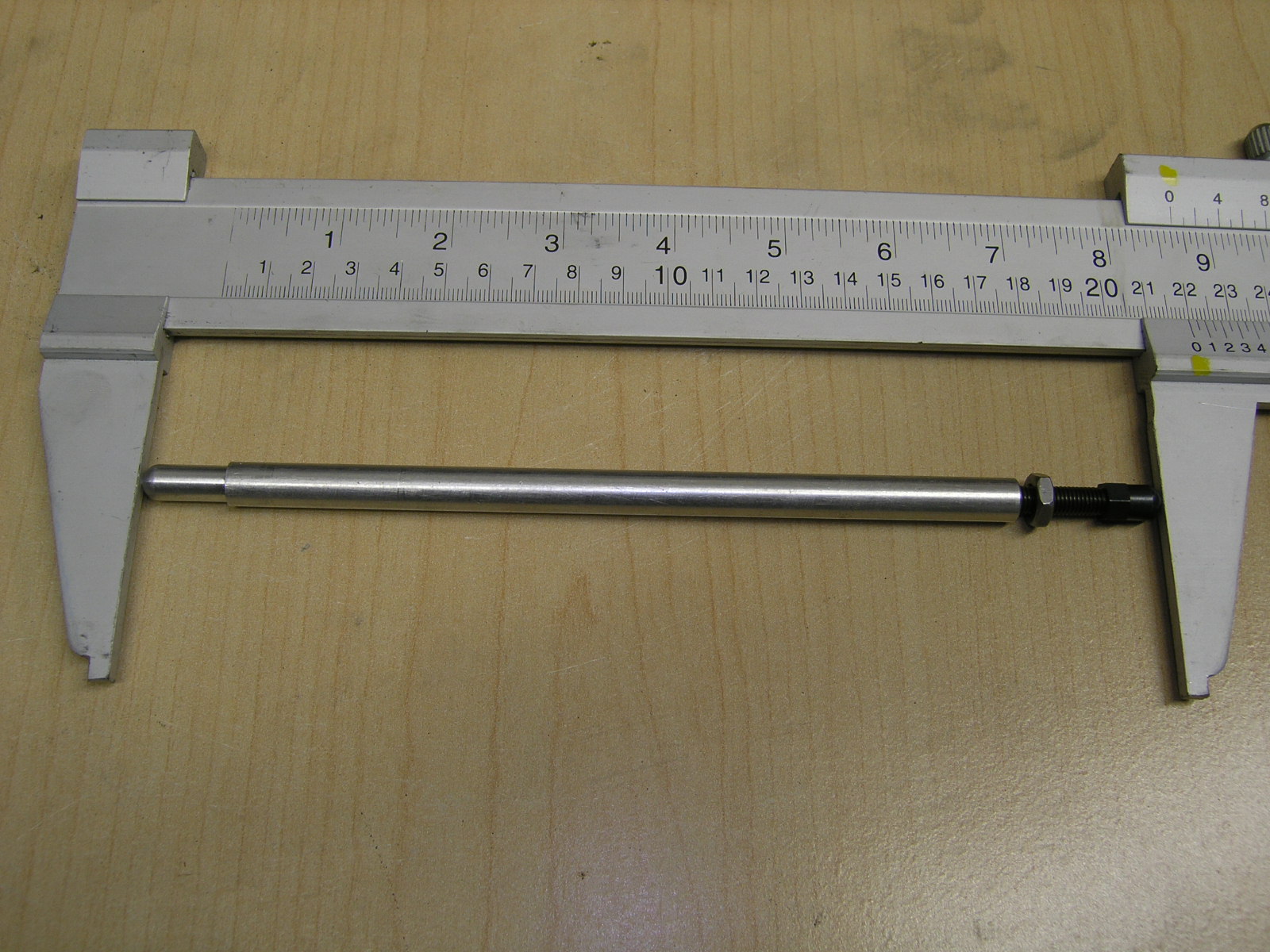
A standard pressure/standard volume Mellings oil pump and hardened oil pump shaft was used. The oil pump was disassembled, cleaned and clearances were checked before installation The oil pump pickup was tack welded to the pump after the oil pan to pickup clearance was set at 3/8″. A crankshaft oil scraper was installed and the clearances set at .060″
The clearances specification sheet
“Valve Train and cylinder Heads”
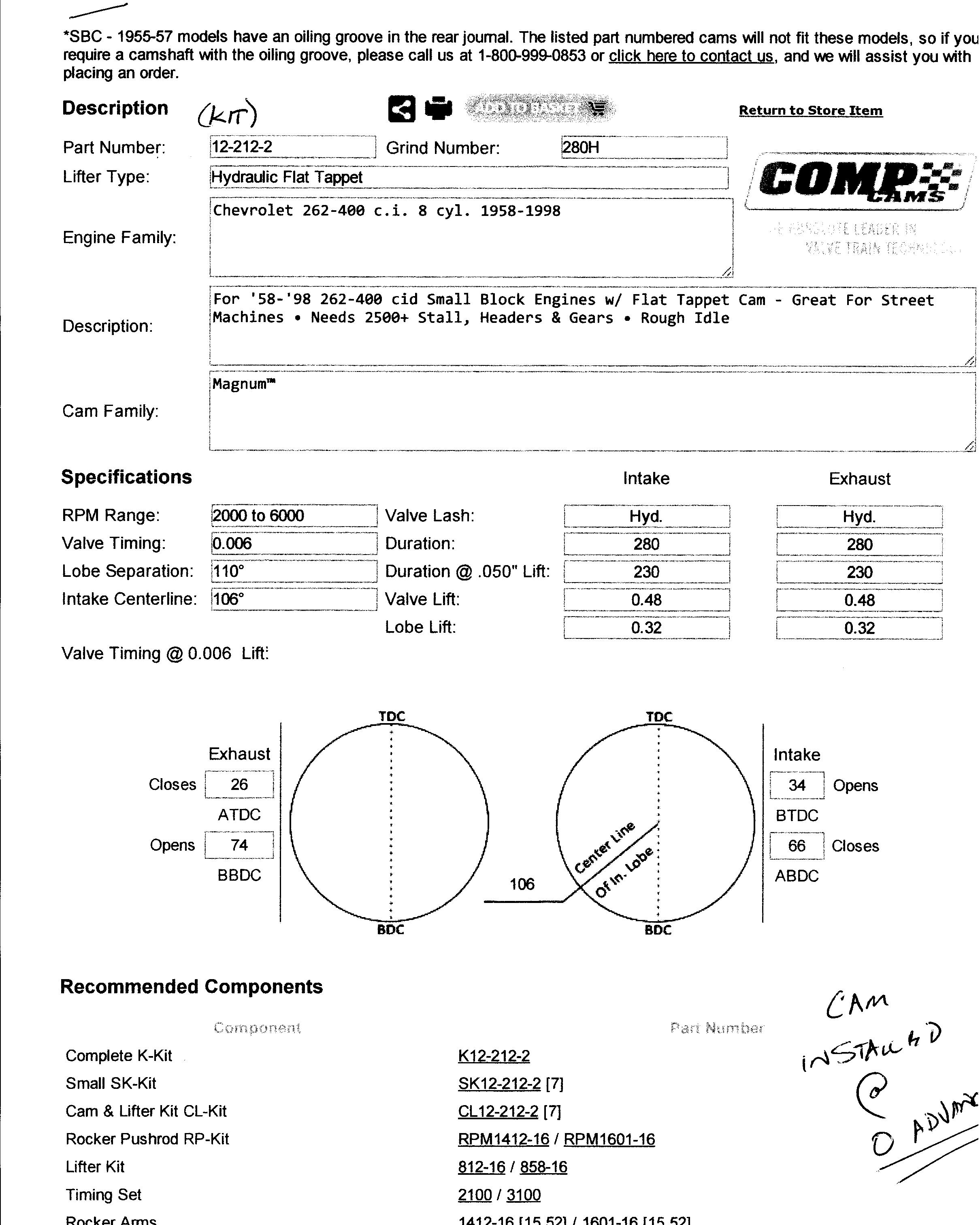
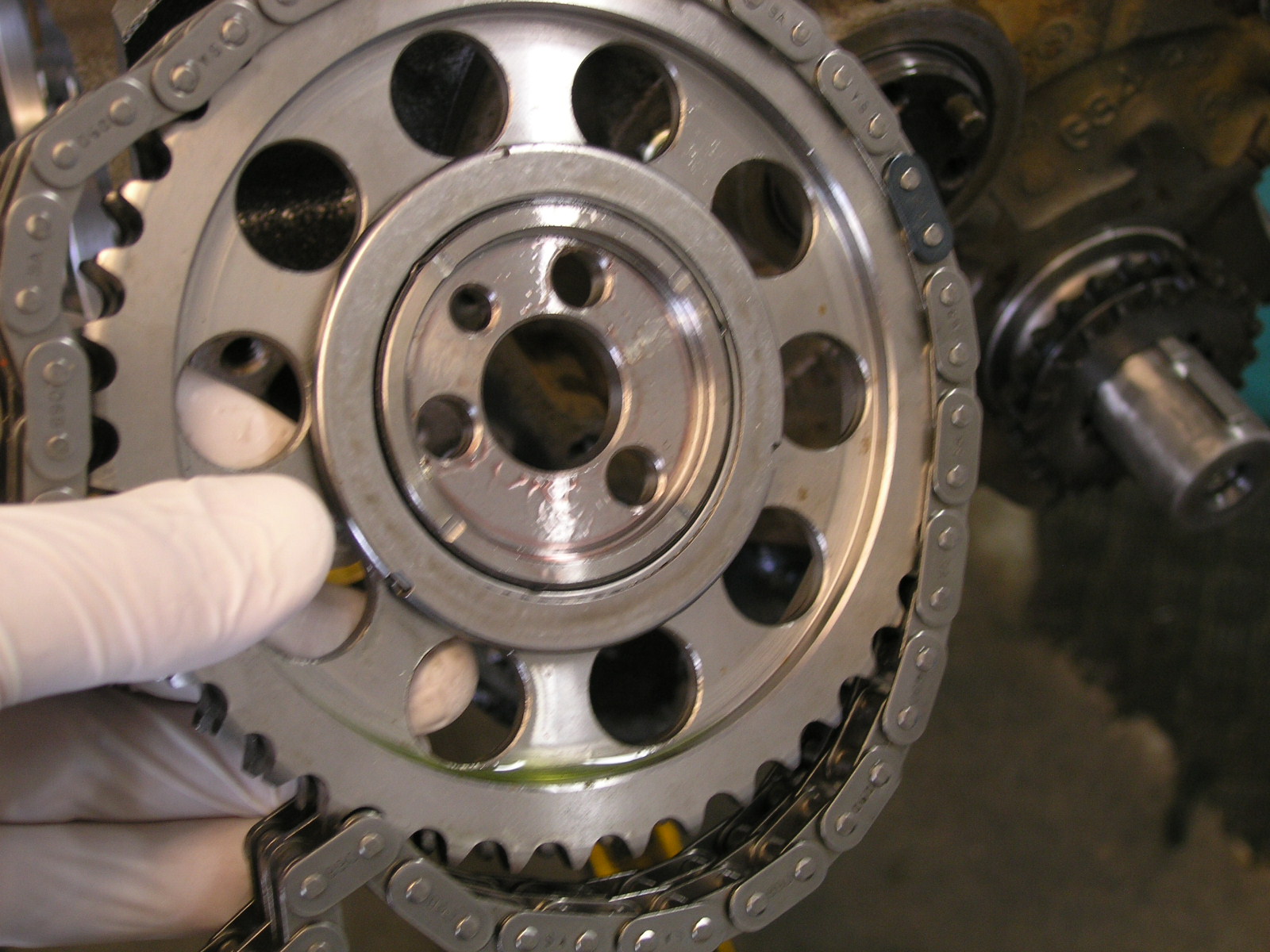
A Comp Cams 12-212-2 valve train kit was used: camshaft, lifters, push rods, valve springs, retainers, and locks. The cam timing was degreed to 2 degrees advanced. The block was line bored so a -.005″ timing chain with a Torrington bearings was installed
“Cylinder Heads”
Iron World Product Sportsman II 200 cc cylinder heads were used. They were pocket ported in the bowls below the valve seats and the intake valves received a 52 degree back cut to help increase the low lift flow numbers. Stainless steel 2.02″ intake and 1.60″ exhaust valves were used. The combustion chambers were checked and came in at 78cc. With a flat top piston and zero deck height the static compression ratio was 9.25/1. The heads were placed on the flow bench see the spec sheet below
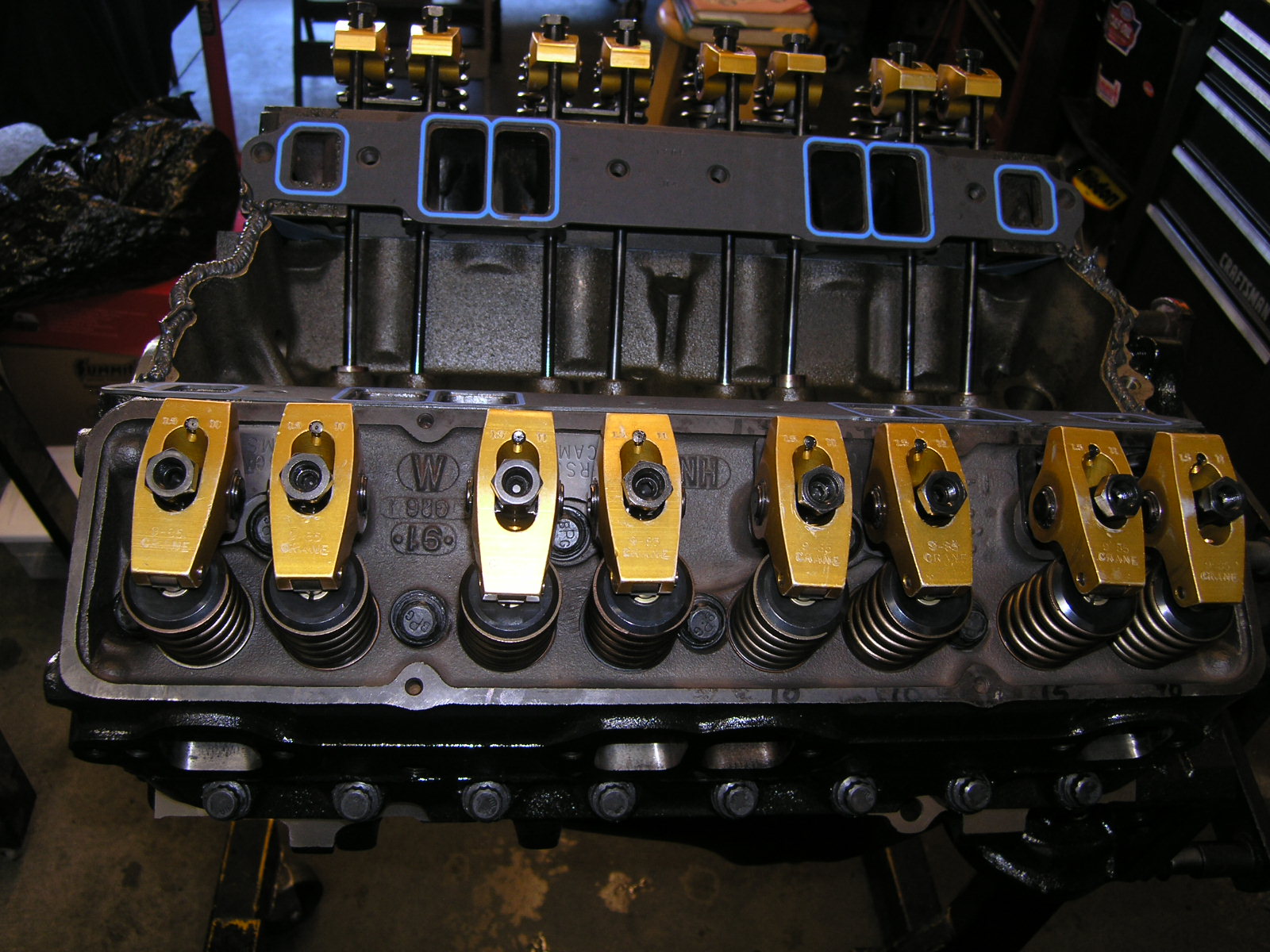
After checking spring retainer to valve guide seal clearance the valve spring height was set to 1.800″. The rocker arm geometry was checked. Notice: the use of Crane Cams full roller rocker arms and poly locks.
“Induction and Ignition
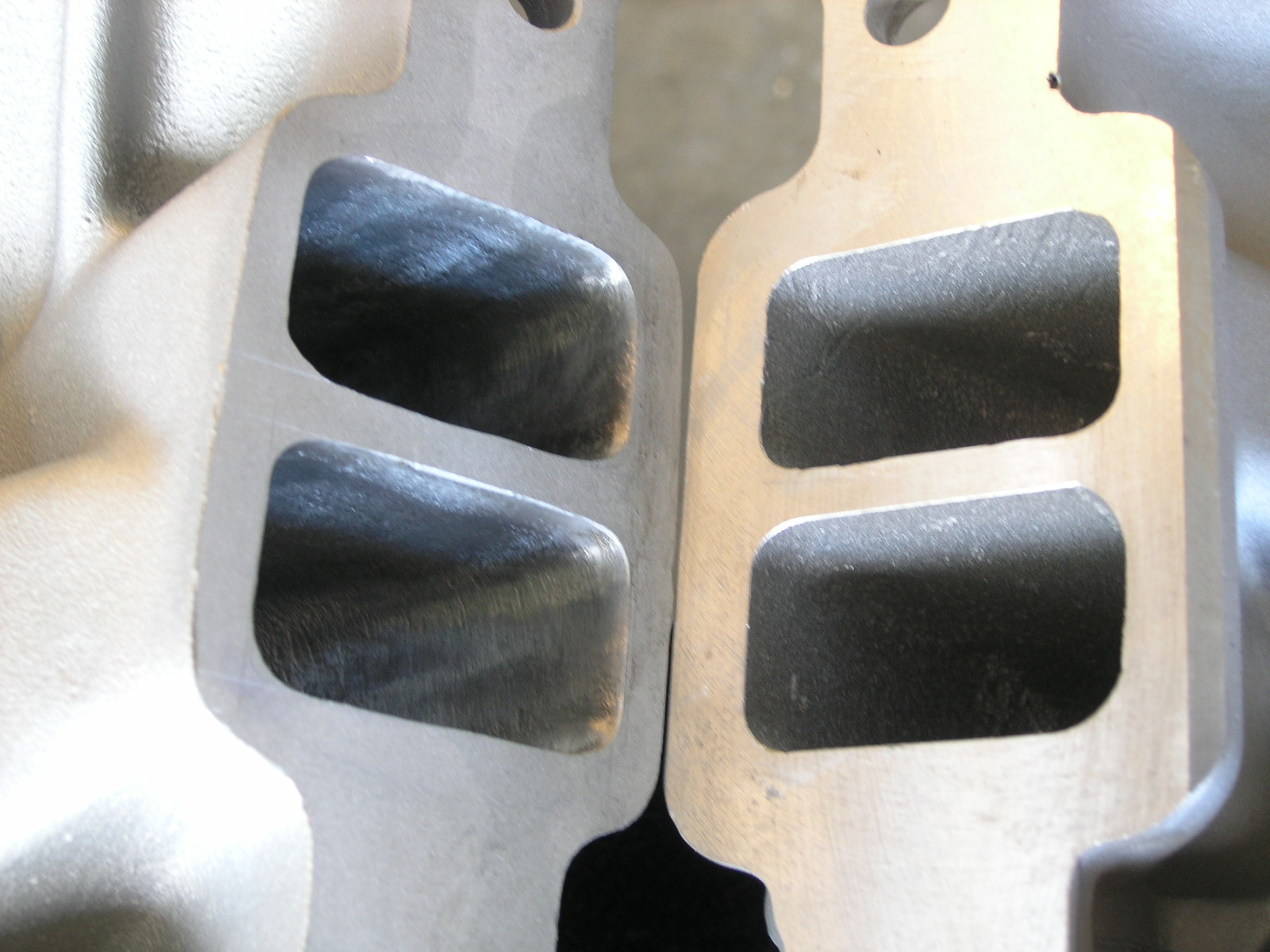
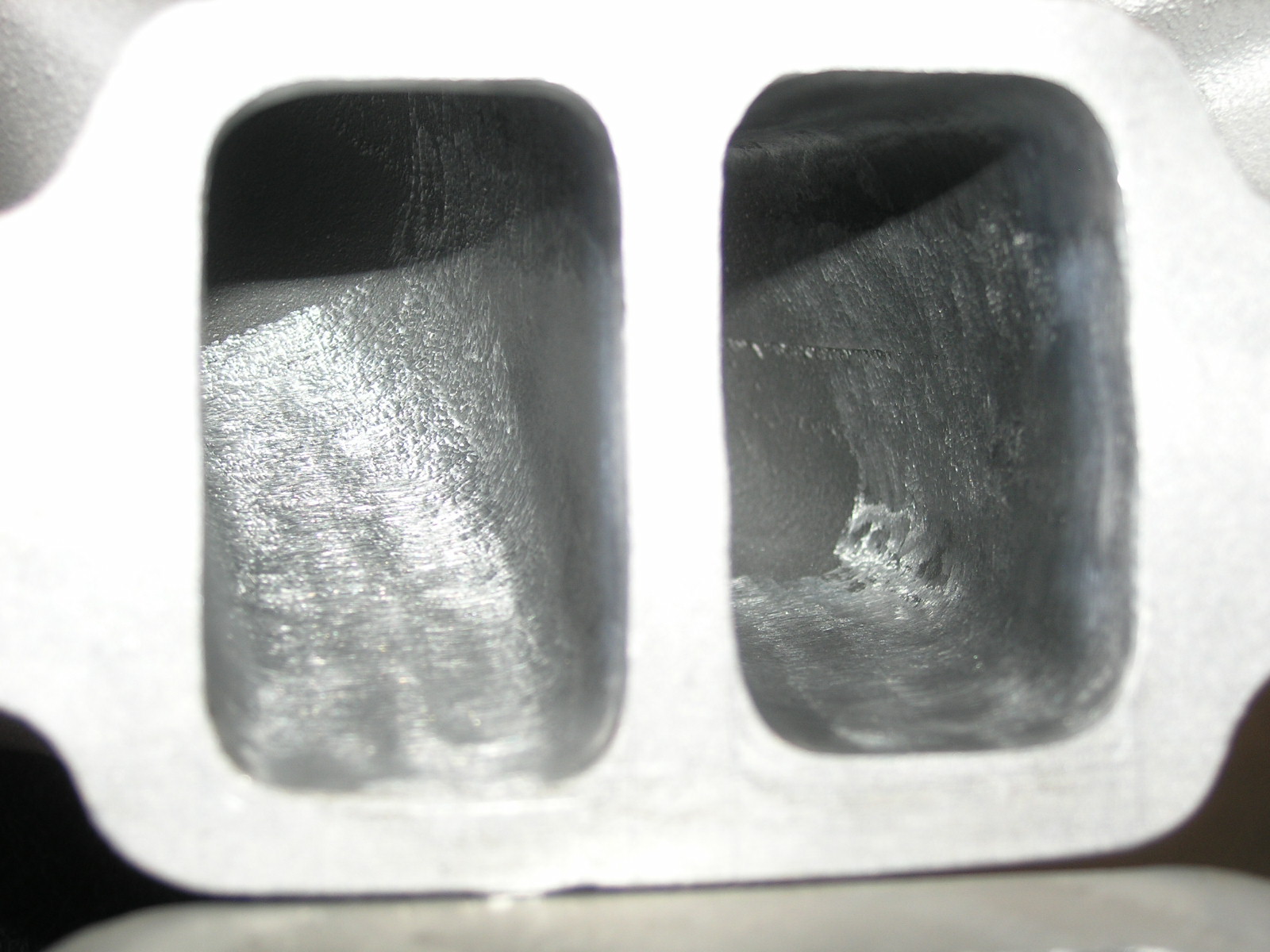
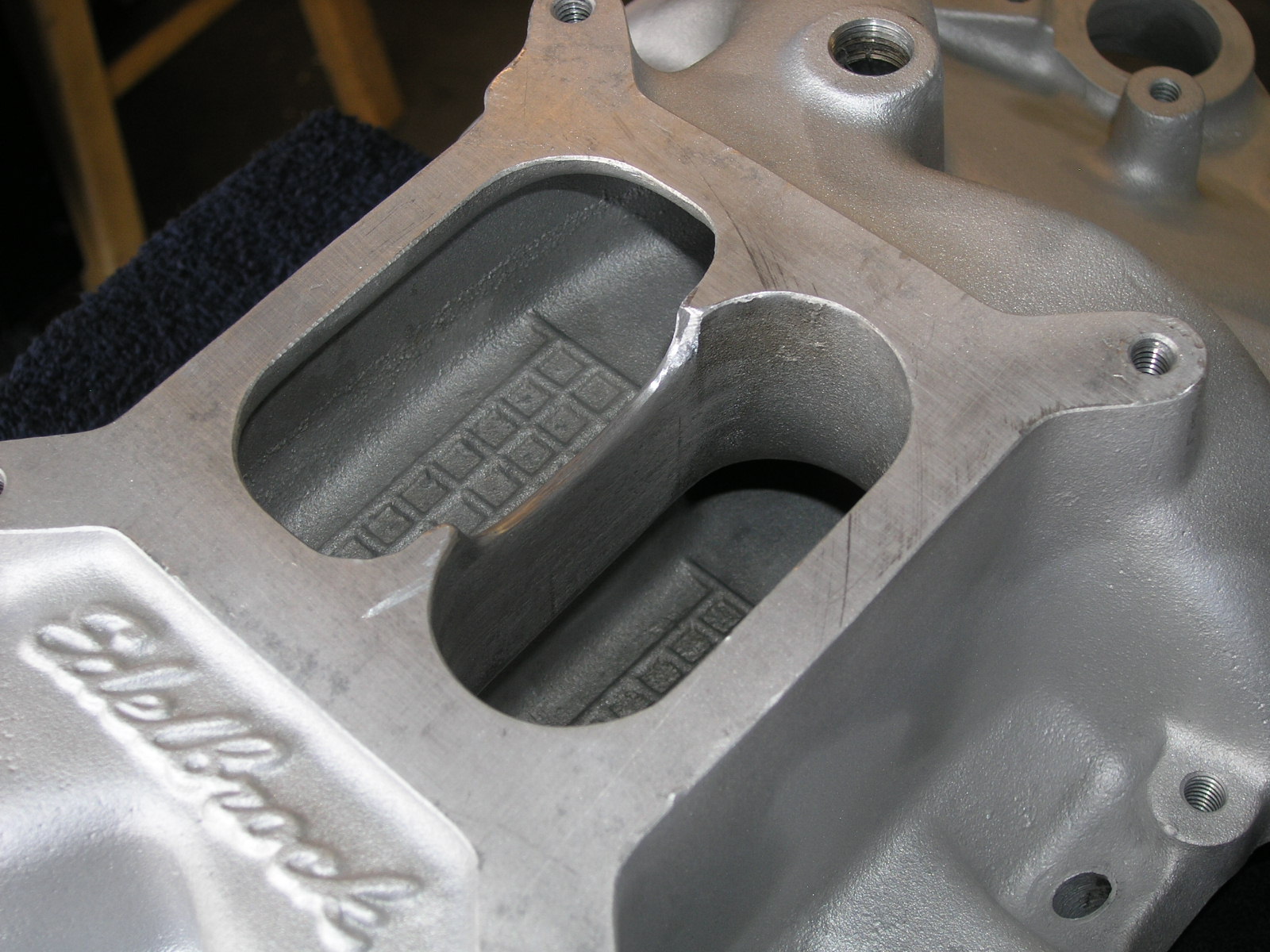
An Edelbrock RPM Performer intake manifold was match ported to the heads and the dividing bar between the dual planes was contoured to ensure equal distribution to all the cylinders. You can see the intake runners before and after match porting.
“Ignition system”
An aftermarket HEI distributor was used. To help increase torque and low end horsepower I recurved the distributor timing. I closed up the mechanical advance slot to reduce the distributors total advance so more initial timing can be added at a lower RPM. About .080″ was removed from the slot to reduce the total mechanical timing by 6 degrees. The initial timing can be set at 14 degrees instead of the usual 8-10 degrees while keeping the total timing at 38 degrees. I installed lighter advance springs to have all timing in by 3500 RPM.
On the dyno this added 8-10 Lb-ft of torque between 2500 to 3500 RPM
“Carburetion”
A Mighty Demon 650 CFM double pumper carburetor with Idle and high speed air bleed jets was used
An Edelbrock 650 carburetor was initially used during the dyno testing, the Demon carburetor was worth 20 horsepower 20 lb-ft torque throughout the entire RPM range.
“Judgement day”
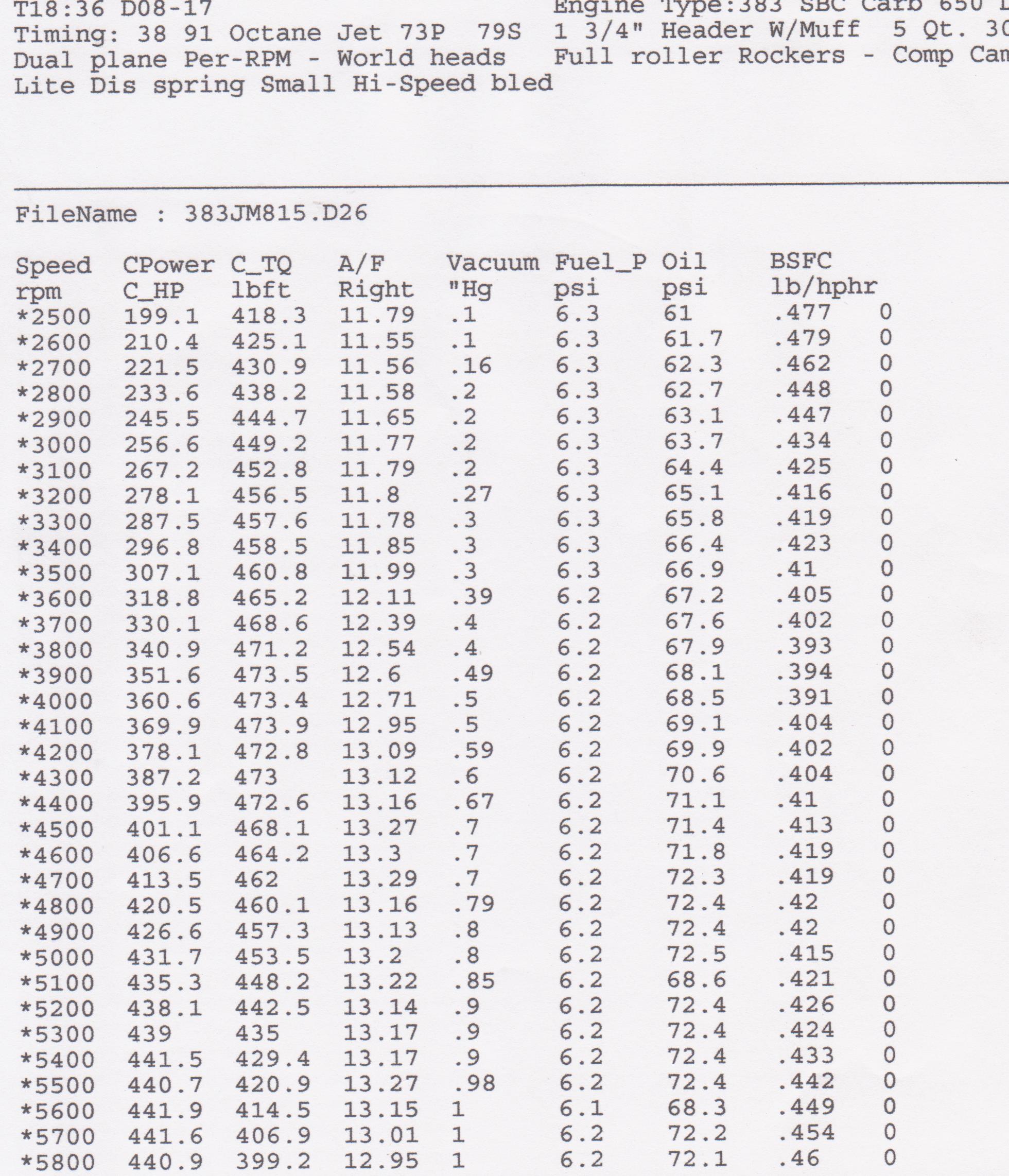
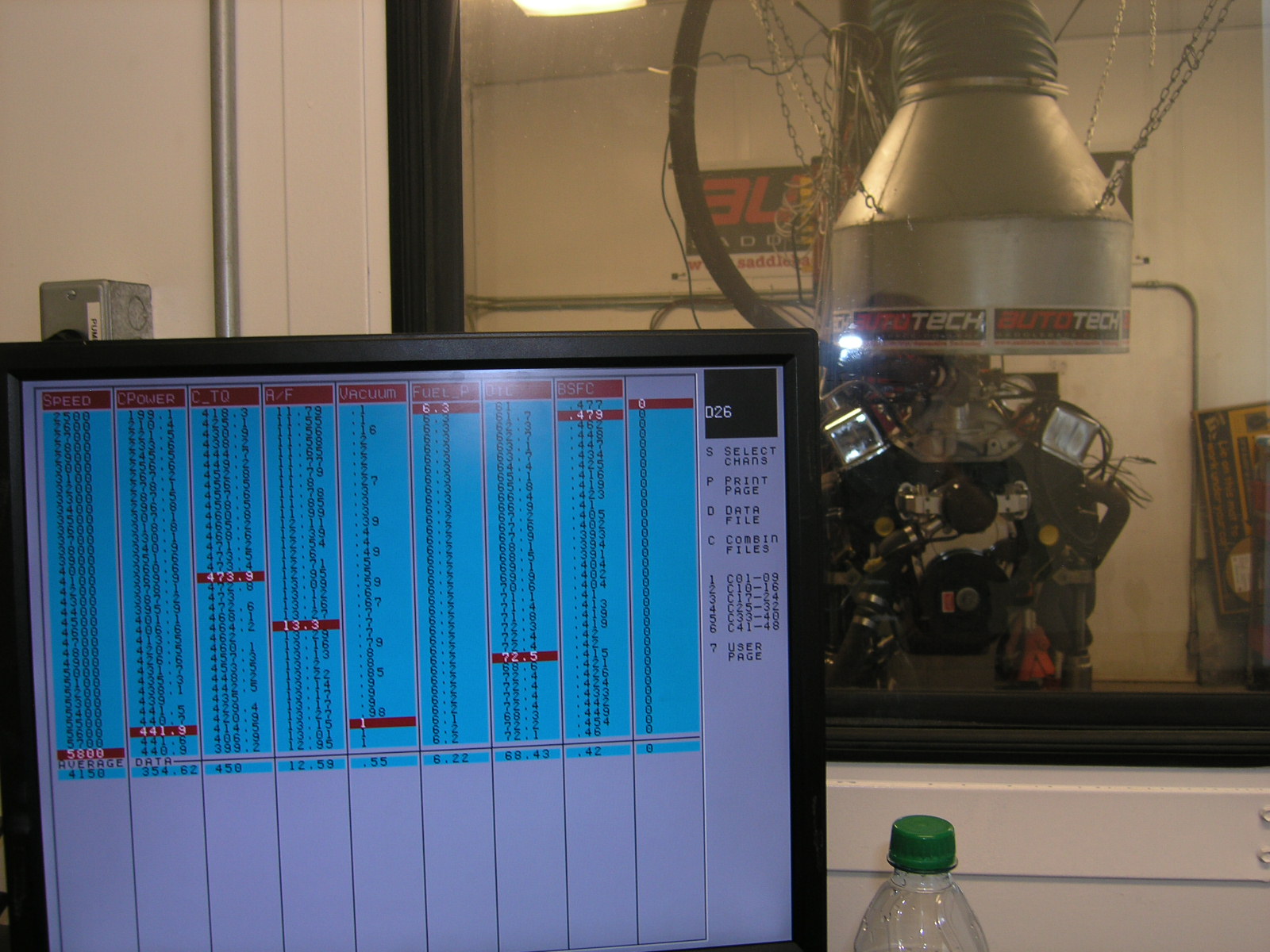
The 383 was tested on a DTS engine dyno at Saddleback College in Mission Viejo, Calif. After a 20 minute initial break-in I did a few low rpm pulls to set the timing to 38 total degrees. I tuned the carburetor with a few main and high speed air bleed jet changes.
It made 473 lb-ft torque @ 4100 and 442 horsepower @ 5600. It made 418 lb-ft torque @ 2500 and never made under 400 lb-ft torque through the entire rpm range.
Click the link below to see a close up of the engine on the dyno
440 HP – 473 TQ Street 383 close up on the dyno
This engine is the best of all worlds! With it’s pump gas friendly 9.25/1 compression it can be a daily driver. 442 horsepower and 473 lb-ft of torque will get the average muscle car or street rod into the 11’s at the drag strip or dominate the off road in a 4 x 4 truck.
455 Oldsmobile Fuel injected “Stump Puller”
The goal with this build was to create an engine with exceptional low RPM manners, run well on 91 octane, and have muscle car performance
“Getting to the bottom of the 455 Olds build”
A stock “F” 455 block, stock iron crankshaft, and stock connecting rods was used. All the parts were magnifux’d, the block was bored and honed .030 over with a torque plate, the connecting rods were resized and had ARP bolts installed, the crankshaft had the oil holes chamfered, and the journals polished.
455 Oldsmobile engines have a poor oiling systems with a history of low oil pressure and bottom end oil starvation so a Mellings standard pressure/standard volume oil pump was used. it was blue printed to ensure proper clearances and an .080 shim was added to the relief spring for more low RPM oil pressure

Many people try adding a high volume pump to address the Olds 455’s oiling issues but in stock form these engines have a very poor oil return from the heads to the pan. A high volume oil pump increases the problem by pumping more oil up top and potentially draining the oil pan in the process.
The oil passages in the Olds 455 block are quite large. Because of the way the oil flows in the block more oil is directed to the camshaft, push rods, and rockers arms leaving less at the bottom end. So I added oil restrictors to the # 2, 3, and 4 main oiling passages between the main and cam bearings which limits the oil up top increasing oil to the mains bearings.
The rule of thumb is .001″ of clearance for every 1″ of crankshaft journal diameter. However, the Olds 455 has a 3″ main journal diameter and 2.5″ diameter on the rods, making for .003″ main and .0025 rod clearances which is too wide for a street engine. So the clearances were closed up to .0025″ mains and .002″ on the rod bearings.
The return holes in the heads were opened and radiused. A slight groove was ground in the lifter valley below the heads oil return holes to get the oil back in the pan quicker. The lifter valley was polished aiding oil returning to the pan
Before
Before
A 5 quart oil pan along with a crankshaft oil scraper was installed to keep as much oil in the pan as possible and freeing up horsepower in the process.
The rest of the bottom end
Olds 455’s are not known for their robust main caps so ARP main cap bolts were added. Sealed power forged pistons, moly piston rings, and clevite bearings completed the bottom end along with balancing everything before installation.
“Cylinder heads and valve train”
Cylinder Heads
We used a set of 455 “G” cylinder heads, they already have harden exhaust seats which is needed with unleaded pump gas
The “G” heads have small 2.00″ intake valves so we upgraded to stainless steel 2.072″ intake valves and 1.625″ exhaust valves. The seats received a 3 angle valve job and the intake valves were back cut to 52 degrees which proved to increase the low lift flow numbers quite a bid. The heads were pocket ported under the valve seats and the intake and exhaust ports were cleaned up. With the 80 cc combustion chamber and dished forged pistons the static compression ratio is 9.25/1 which works well with 91 octane pump gas.
Before
After
Olds 455 cylinder have a history of running hot and cracking the heads between the two center exhaust ports because of the exhaust crossover port that runs under the intake manifold. To reduce heat and help direct the hot gasses out of the head I filled the crossover with zinc. This reduces the heat absorbed in the head and increases power eliminating the potential for heat related cracks
Camshaft and valve train
The car will be a freeway cruiser with 3.20 rear end gears and an overdrive transmission so the camshaft had to be pretty conservative. A hydraulic flat tappet Comp Cams XE256H with Comp Cams lifters, push rods, valve springs, locks, retainers, and double roller timing chain was used.
Olds 455’s have pedestal type non-adjustable rockers arms, so a set of adjustable roller tip rocker arms, ARP rocker studs, and Comp Cams push rod guide plates were used
Induction system and ignition
For low RPM drivability an Edelbrock Performer intake manifold was used matching the camshafts RPM. A FAST EZ fuel injection system was installed for better drivability.
The FAST EZ system was by far the best and easiest system I have ever use and tuned!
Ignition system
The ignition system is a basic HEI distributor with an upgraded coil. The distributor was recurved adding higher initial timing but keeping the total timing at 36 BTDC this helps low RPM drivability.
Finishing off the ignition system was a set of MSD 8.5 mm plug wires and Autolite sparkplugs.
Exhaust system
A set of long tube 1 3/4″ x 3″ headers and a pair of Magnaflow mufflers were used during the dyno session.
404 HP – 521 Ft-Lb Torque
Big Block 455 Oldsmobile Judgement Day
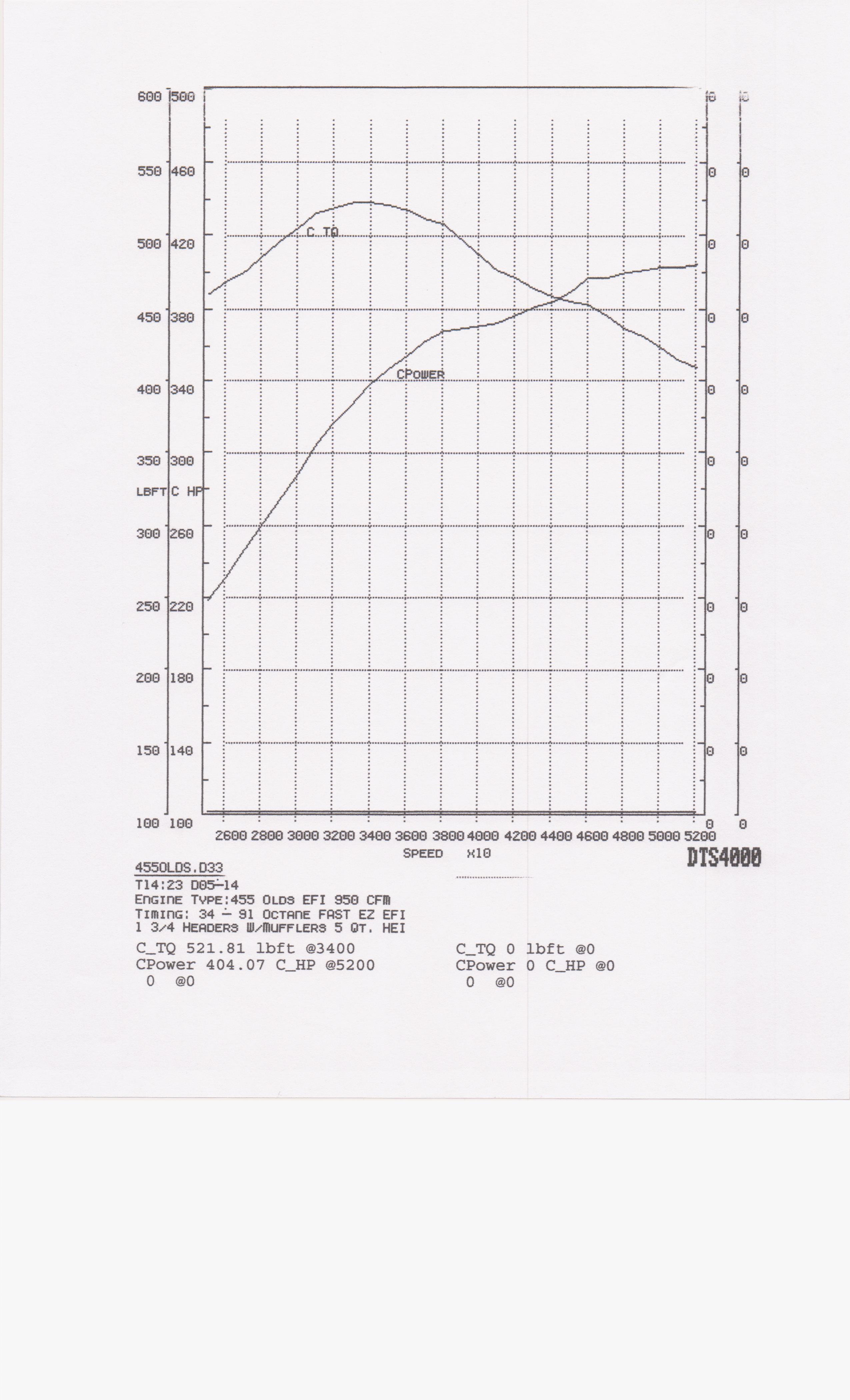
On the dyno connecting the FAST EZ EFI system was actually easier that I had anticipated. I ran the engine for 20 minutes to break-in of the flat tappet camshaft and to allow the EFI to learn what the engine needed. We began tuning with a couple of quick low RPM pulls to find the best timing at 36 degrees and ensure proper oil pressure. The oil pressure at idle was a solid 30 PSI and climbed to a stable 50 PSI at 2500 RPM
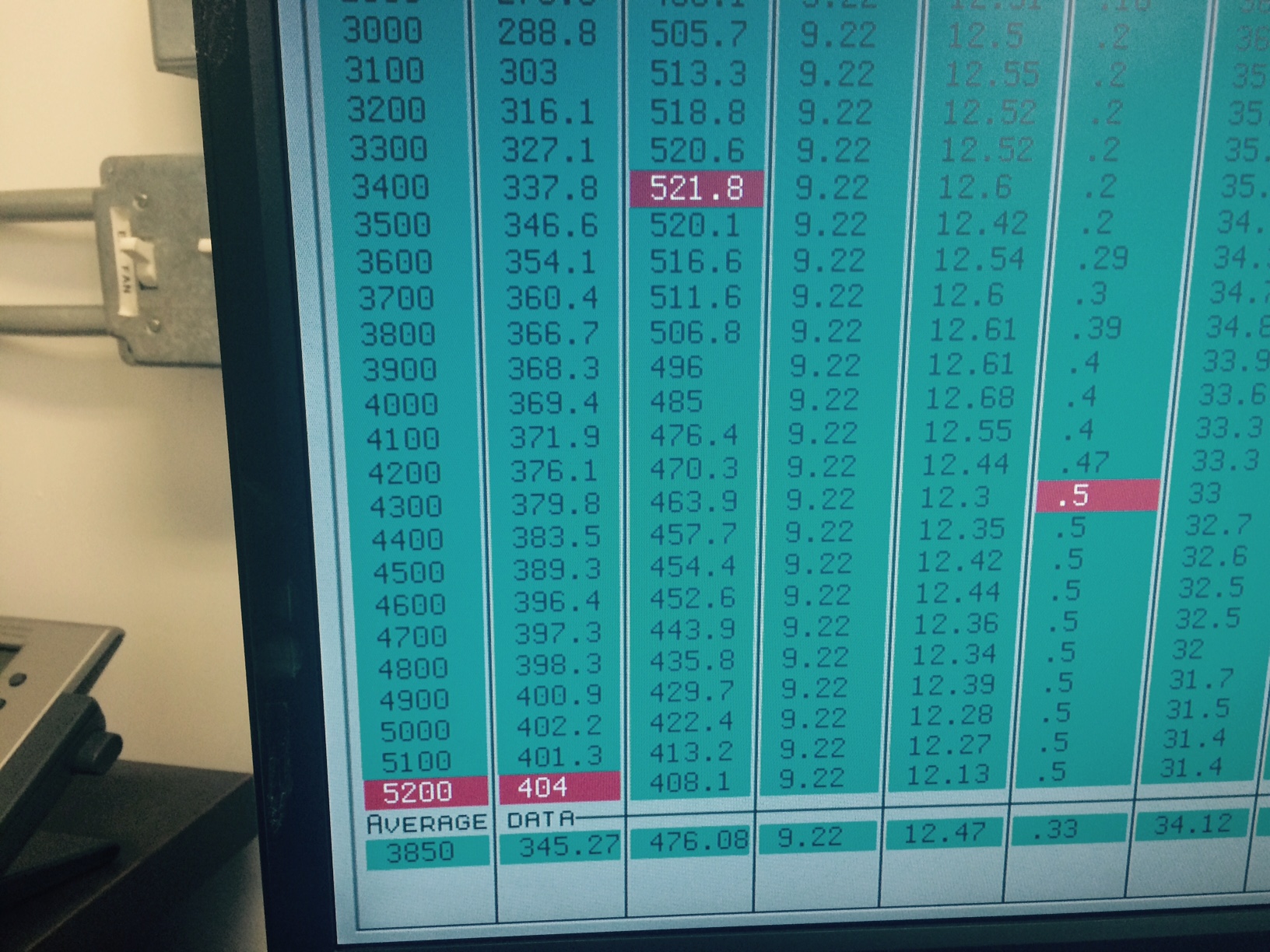
After 8 pulls the engine made 404 horsepower @ 5200 and a “stump pulling” 521 Lb- Ft torque @ 3300. It made 460 Lb-Ft torque at 2500 and never dropped below 400 Lb-Ft torque from 2500 to 5200 RPM!
Click on the link below to view the dyno pull
455 Oldsmobile 404 Horsepower – 521 Ft-Lb Torque
With that much low RPM torque this engine will make any Street Rod, Muscle Car, or Ski boat run extremely well!
Contact JMMcKindley990@gmail.com if you’d like more details on this engine build.
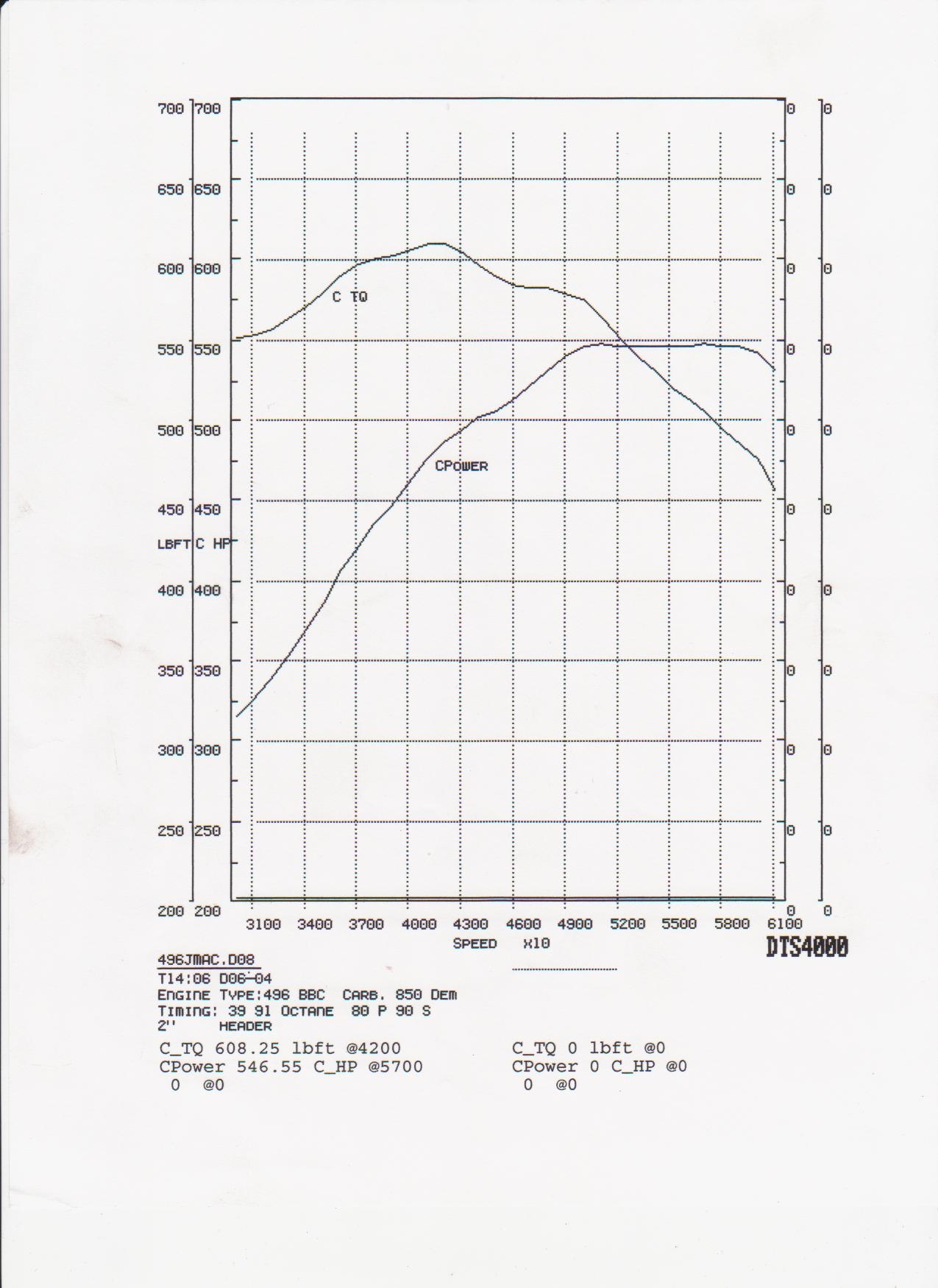
A budget 496 Big Block Chevy. The goal is to assemble a pump gas 500 + horsepower, maximum torque big block on a limited budget. A SCAT bottom end kit – Comp Cams flat tappet camshaft – Brodix Race Rite oval port head – Edelbrock Air-gap manifold and – Demon 850.
550 Horsepower 496 Big Block Chevy The Beginning
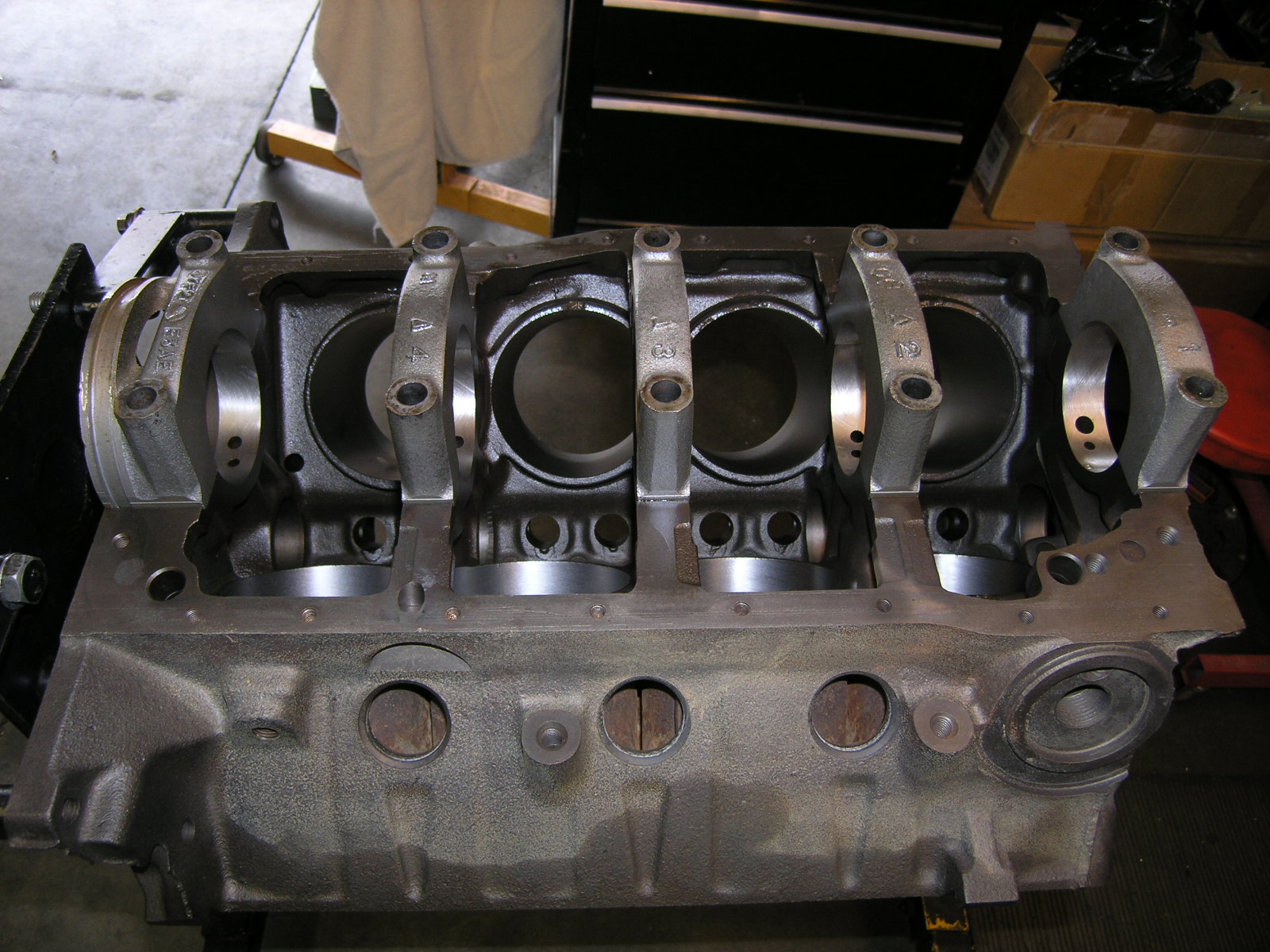
A standard 2 bolt main 454 block; bore .030 over, decked a SCAT bottom end kit with a cast steel crank 4.25″ stroke crankshaft, 6.835″ connecting rods, KB pistons, Clevite bearings, and a Mellings high volume oil pump.
Heads – Valve train”
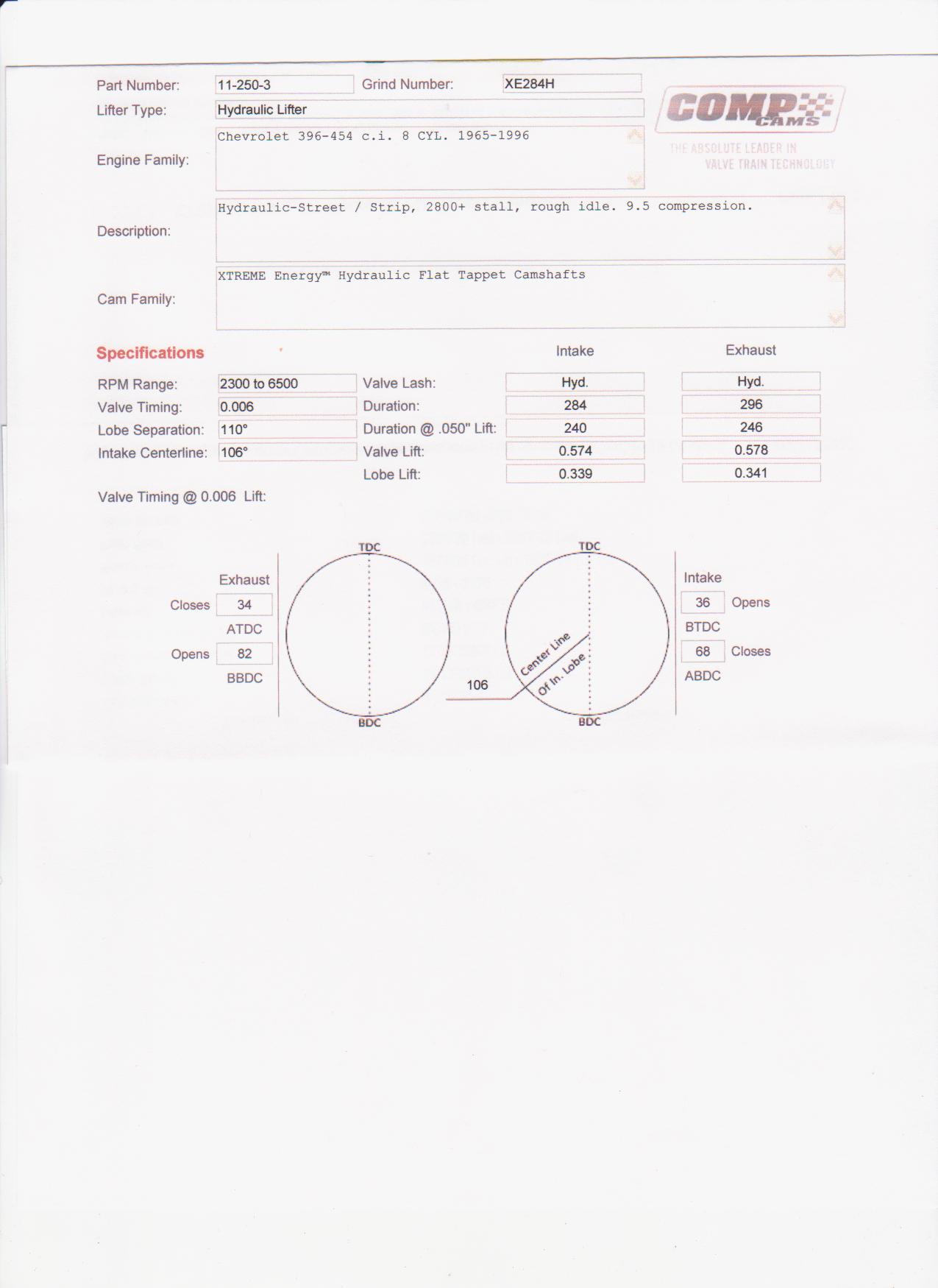
A Comp Cams XE284H flat tappet camshaft and lifters with Comp Cams push rods, and Crane Cams 1.7 ratio rocker arms.
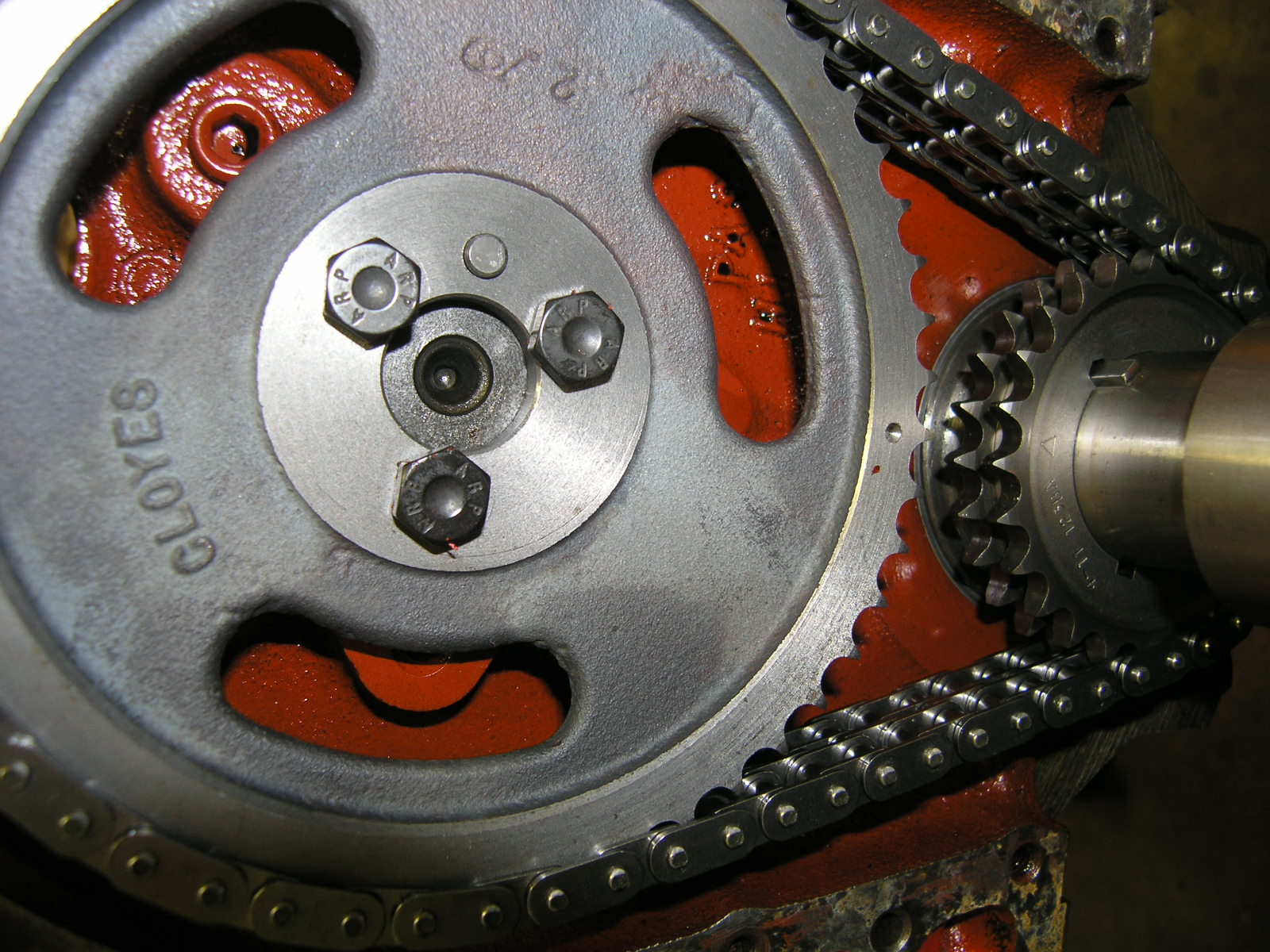
A Cloyes double roller timing chain with a Cloyes aluminum timing chain cover. The timing chain cover has a built in cam button to eliminate cam walk and a removable plate to allow cam timing changes with out removing the timing chain cover.
Cam was degreed with 4 degrees advanced. We used the Brodix Race Rite oval port heads to help with the low end torque and because we already had an oval port Edelbrock Air-Gap intake manifold.
The rocker arm geometry was checked, notice the witness line directly in the middle of the valve stem
Carb – Intake Manifold
We already had a Demon 850 CFM speed demon carburetor, which worked well with this combination.
Judgement day
The 496 was bolt on a DTS engine dyno after the standard 20 minute break-in we did a series of pulls optimizing the ignition timing and jetting.
549 Horsepower and 609 LB-FT torque all below 6000 RPM
With 550+ Lb-Ft of torque from 3000 to 5200 RPM this would is an excellent street engine, especially for a heavy car like a Chevelle or Impala.
Ford 351W (393 stroker) 450 horsepower – 500 Lb-Ft torque
A 450 horsepower – 500 Lb-Ft torque 9.75/1 Fuel injected 351 Windsor/393 stroker small block Ford. The goal with this build was low RPM torque that could move a 4000 pound 56′ Mercruiser, have great street manners, and run on pump gas.
Ford 351W (393 Stroker) “The Foundation”
The build started with a mid-1980’s non-roller 351 W, 2 bolt main, 1 piece rear main seal block. A non-roller block was used because some of the newer late 80’s/early 90’s roller blocks can have stress cracks in the valley above the cam bearings. The non-roller 351W blocks can be easily converter to roller blocks and have proved to be crack free.
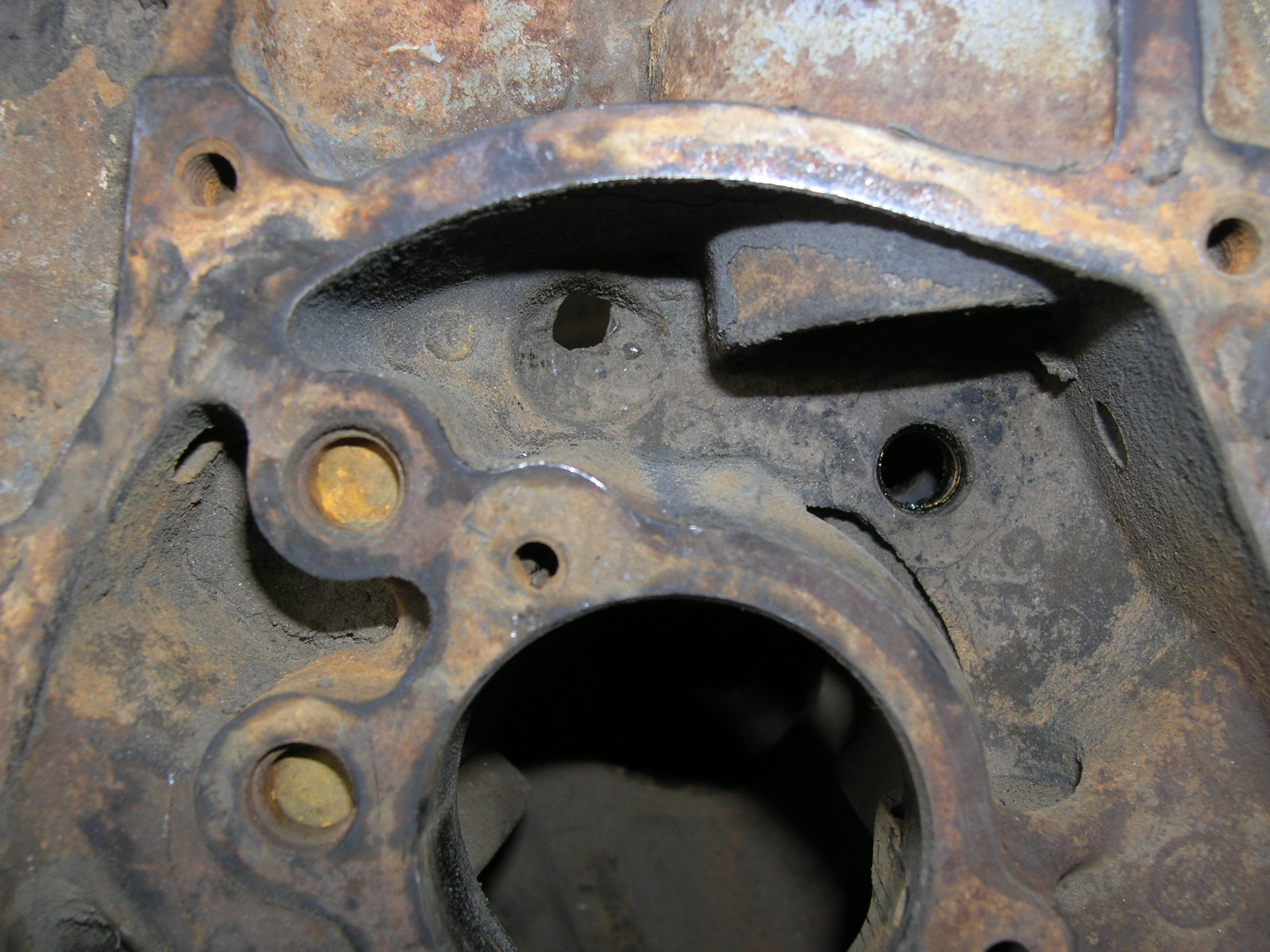
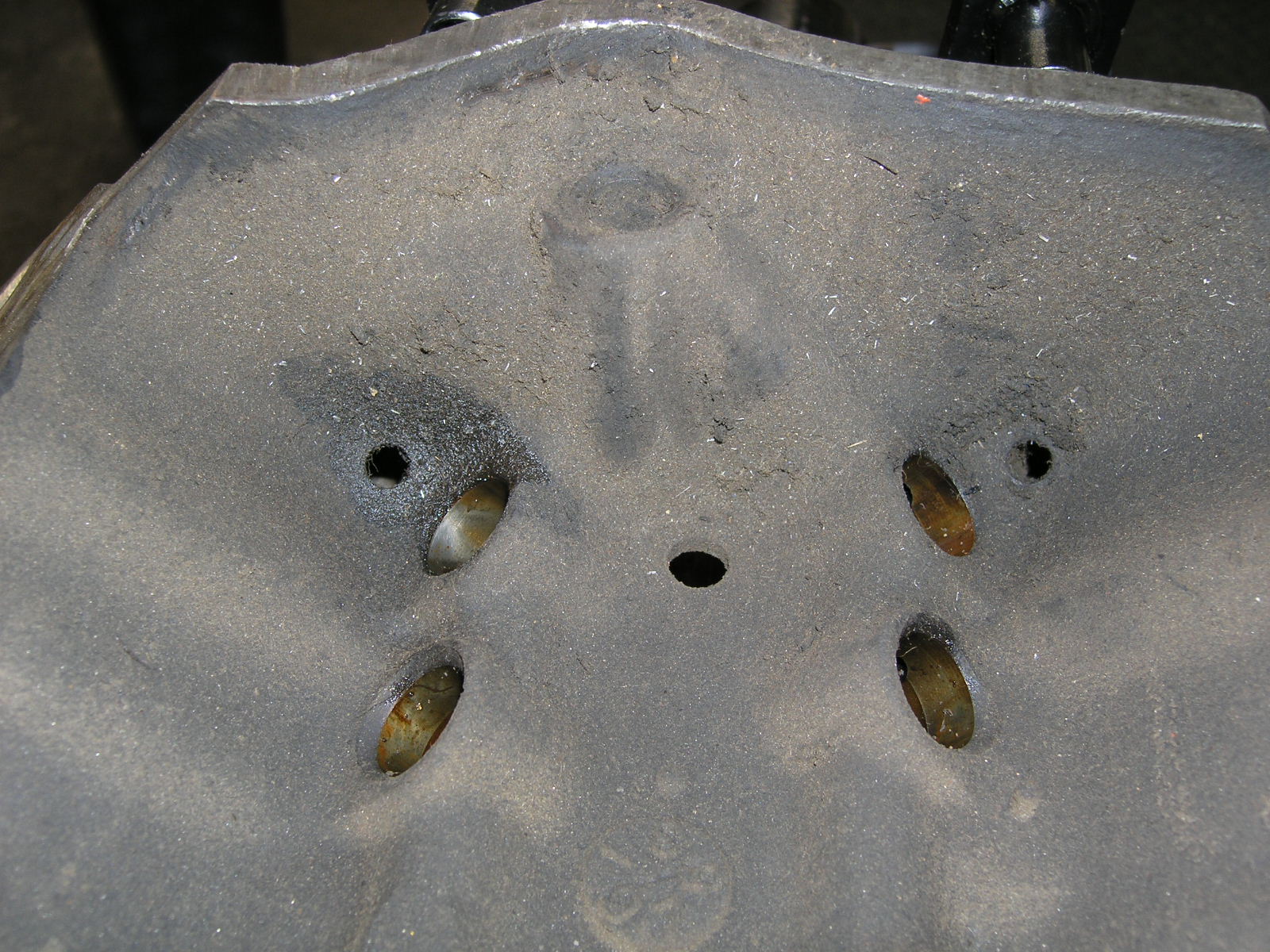
The block was hot tanked, magniflux’d, bore and honed .030 with a torque plate, line hone, and decked. The extra casting flash was ground off and the oil holes in the lifter valley were opened up to ensure the oil returns to the oil pan without restriction.
Before – from the factory
After it has been opened up
Grinding off the excess casting flash makes the engine easier to work on and helps eliminate stress cracks.
Ford 351W (393 Stroker) “Bottom End”
Over 500 Lb-Ft of torque can put quite a strain on the bottom end so a cap girdle was used along with ARP main cap bolts to ensure everything stayed tight and in-line.
The 3.850″ stroke of the crankshaft didn’t clear the main gridle so it needed to be opened up at the big end of the connecting rods
A forged SCAT 3.850″ stroke crankshaft, forged SCAT 6.2″ connecting rods with ARP bolts, forged 4.030″ ICON Pistons, Speed-pro single moly piston rings, and Cleveite bearings completed the bottom end.
Ford 351W (393 Stroker) Oiling System
A Mellings high volume oil pump was used but the pump was to large for the main girdle. To keep the integrity of the oil pump it’s better to grind the main gridle not the oil pump
From the factory the cylinder heads oil drain back holes can sometimes be mis-aligned. To ensure oil flows freely they were opened up and chamfered
The oil pump was disassembled to ensure the clearances were within spec and the pressure relief value worked properly
Ford 351W (393 Stroker) “Cylinder Heads and Induction System”
AFR Renegade 185 cc heads were used they’re CNC ported with excellent flow numbers. The small 185cc heads were used to ensure good low RPM torque over higher RPM horsepower. The smaller heads help increase the intake velocity at lower RPM creating more responsive at low RPM
To ensure a maintenance free fuel system the FAST EZ fuel injection system was used it’s a self learning and easy to install
An Edelbrock RPM Performer dual plane intake manifold matched the camshafts 2500 – 6500 RPM range. Most fuel injection systems do not like full dual plane intake manifolds so 1/2″ was removed from the center divider
Before After
Ford 351W (393 Stroker) Valve Train
An earlier a non-roller block was used so I needed to install a Comp Cams conversion kit for the hydraulic roller cam. A lifter valley and “wish bones” are used over the heavier more costly linked lifters
Two small 1/4″-20 holes are drilled and tapped into the lifter valley floor to hold down the lifter “Spider”. The area around the lifters needed to be opened up to ensure full movement
A set of Dura-Bond high performance camshaft bearing were installed.
A Comp Cams XR264RF-HR10 small base circle camshaft was used. A small base circle camshaft is required to ensure proper oiling to the lifters. If a standard base circle camshaft is used with the non-link bar style roller lifters they extend to far out of the lifter bore blocking the oil passages and reducing the oil moving through the system
Because the block was line honed a -.005 smaller double roller timing chain with a needle bearing thrust washer was used. Notice the flat head Allen screws used to hold the thrust plate in place they are needed to create a flat surface for the timing chain thrust bearing.
A set of Trick flow 7.600″ .080″ thick push rods along with a set of 1.6 ratio Harland Sharp full roller rocker arms were used
Ford 351W (393 Stroker) “Test run”
A quick test run on the engine stand ensured all systems were worked. After setting the parameters in the FAST EZ EFI the engine started quickly. Timing was set to 14 degrees at idle of 850 RPM and 36 degrees total all in at 3500 RPM. The air/fuel ratio’s begin to reach their target settings the longer it ran. The engine is ready to install in the 56″ Mercury Mercuriser and after about a tank of fuel will be fine tuned for many years of trouble free driving.
Click here to see the engine on the run stand
450 Horsepower – 500 lb-Ft Torque Ford 351w / 393 stroker engine.
Contact JMMcKindley990@gmail.com if you’d like more details on this engine build.
383 Small Block Chevy 560 Horsepower pump gas
JMac Performance put together a 550 Horsepower pump gas 383 Small Block Chevy. Here are the details from the parts selection to the dyno testing.
550 Horsepower pump gas 383 Small Block Chevy “Parts selection”
I started the build with a good factory block; a 4 bolt main roller block out of a mid 90’s Chevy truck. The mid 90’s truck blocks have thicker castings, 1 piece rear main seal, and are fitted with hydraulic roller camshafts from the factory.
Knowing the 383 would be pushed to its performance limit I used all forged bottom end parts:
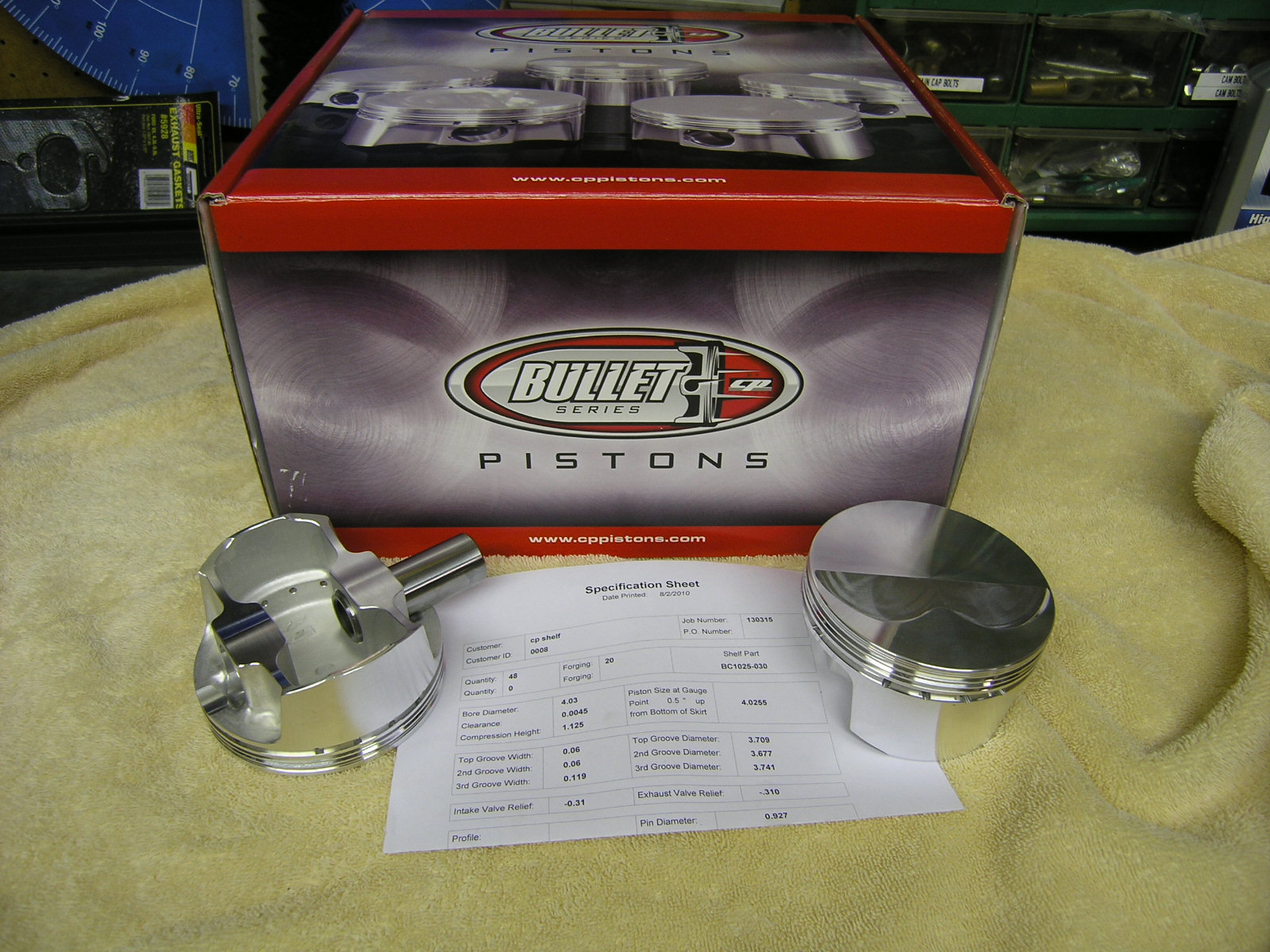
CP Bullet pistons, forged 3.75″ stroke crank, and 6.0″ forged connecting rods.
The key to making good horsepower is in the heads, camshaft, intake manifold, and carburetor. I used a set of Airwolf 220e’s, a Dr. J’s match ported single plane intake manifold, custom ground hydraulic roller camshaft from Iskendrian, and a 750 Mighty Demon carburetor.
550 Horsepower pump gas 383 Small Block Chevy “Block Prep”
I had the block cleaned (hot tanked), bored and honed .030 over w/torque plate, decked, and line honed. I installed new Durabond performance cam bearings. The performance cam bearings are a little harder that standard bearings so they can with stand higher loads brought on by higher valve spring PSI. The block was thoroughly cleaned with soap and pressured hot water. All the bolt holes were cleaned with a thread chaser and the camshaft oil galley plugs were taped for allen head plugs.
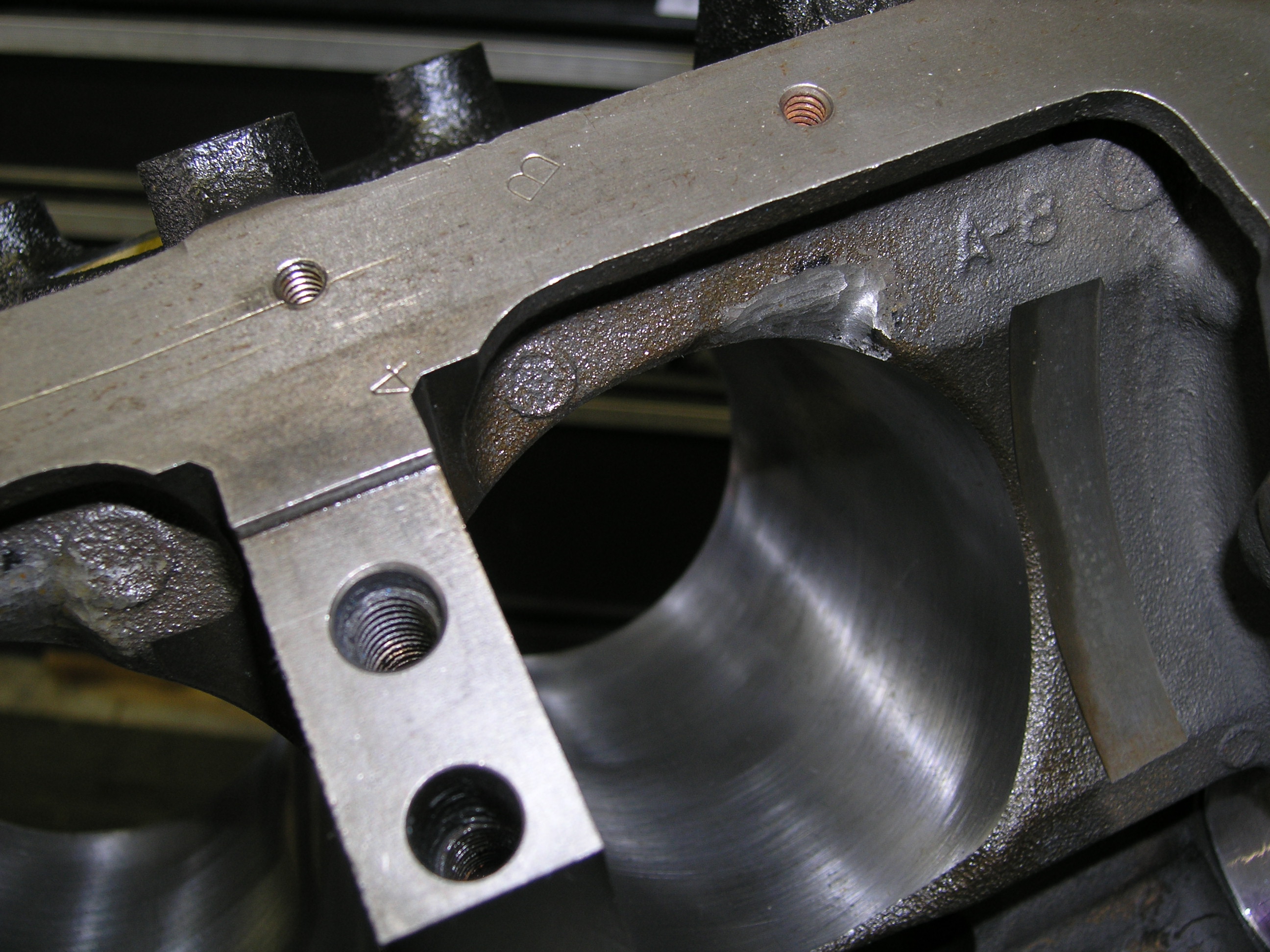
The bottom of the cylinders and the oil pan rail had to be clearanced to make room for the 3.75″ stroke crank and 6.0″ rods. The bottom of the cylinders were also chamfered to help reduce friction and piston skirt scuffing.
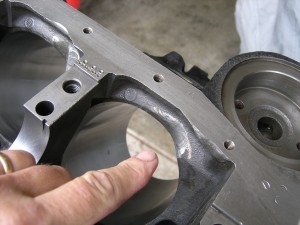
To ensure maximum flow out of the oil pump I put a radius on the rear main cap oil hole.
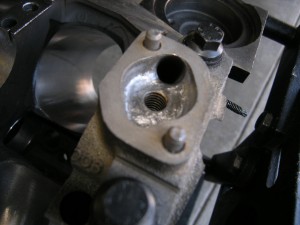
550 Horsepower pump gas 383 Small Block Chevy “bottom end work”
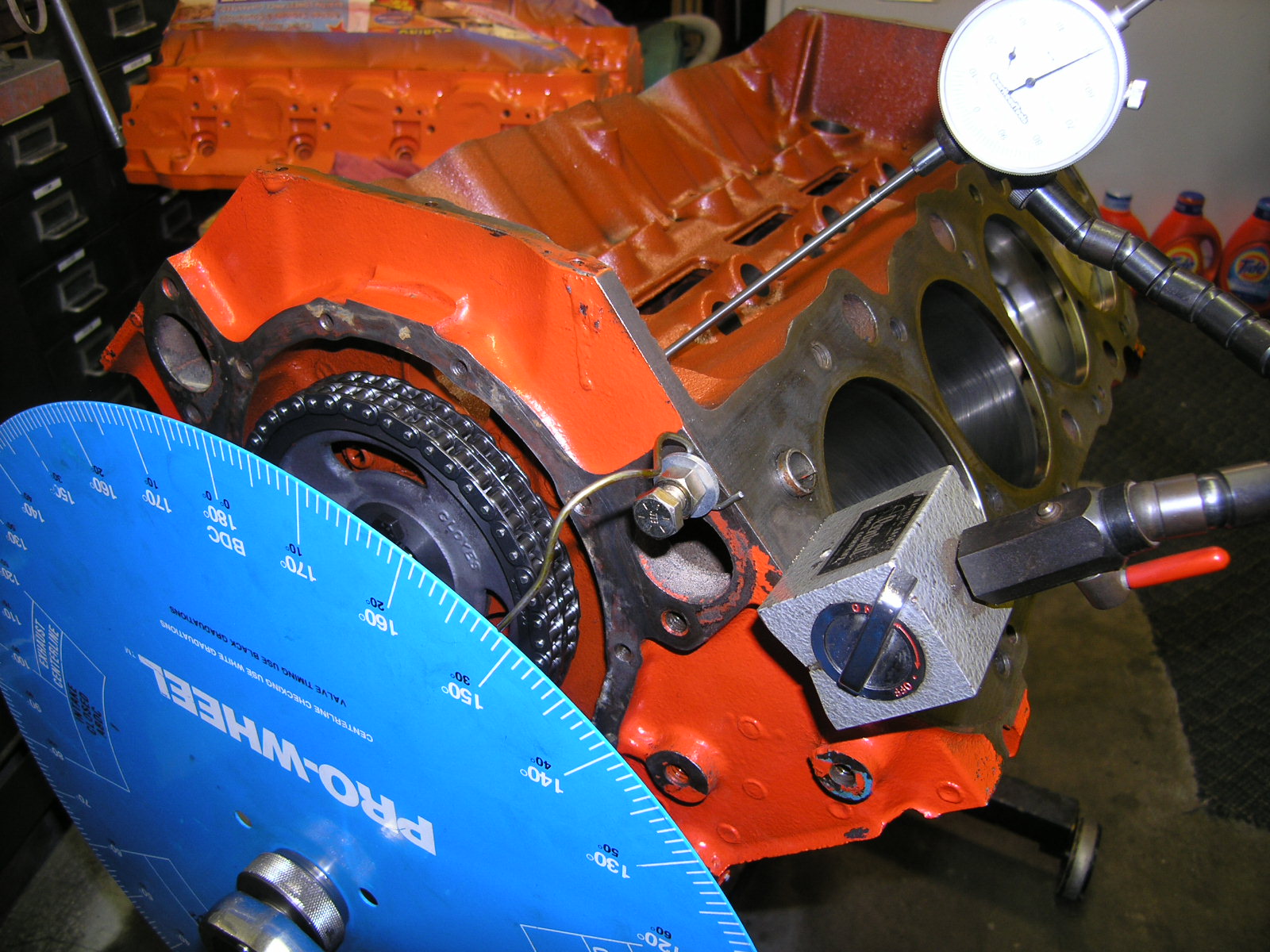
To ensure the 383 will live a long and happy life I mocked up the bottom end and checked all the clearances.
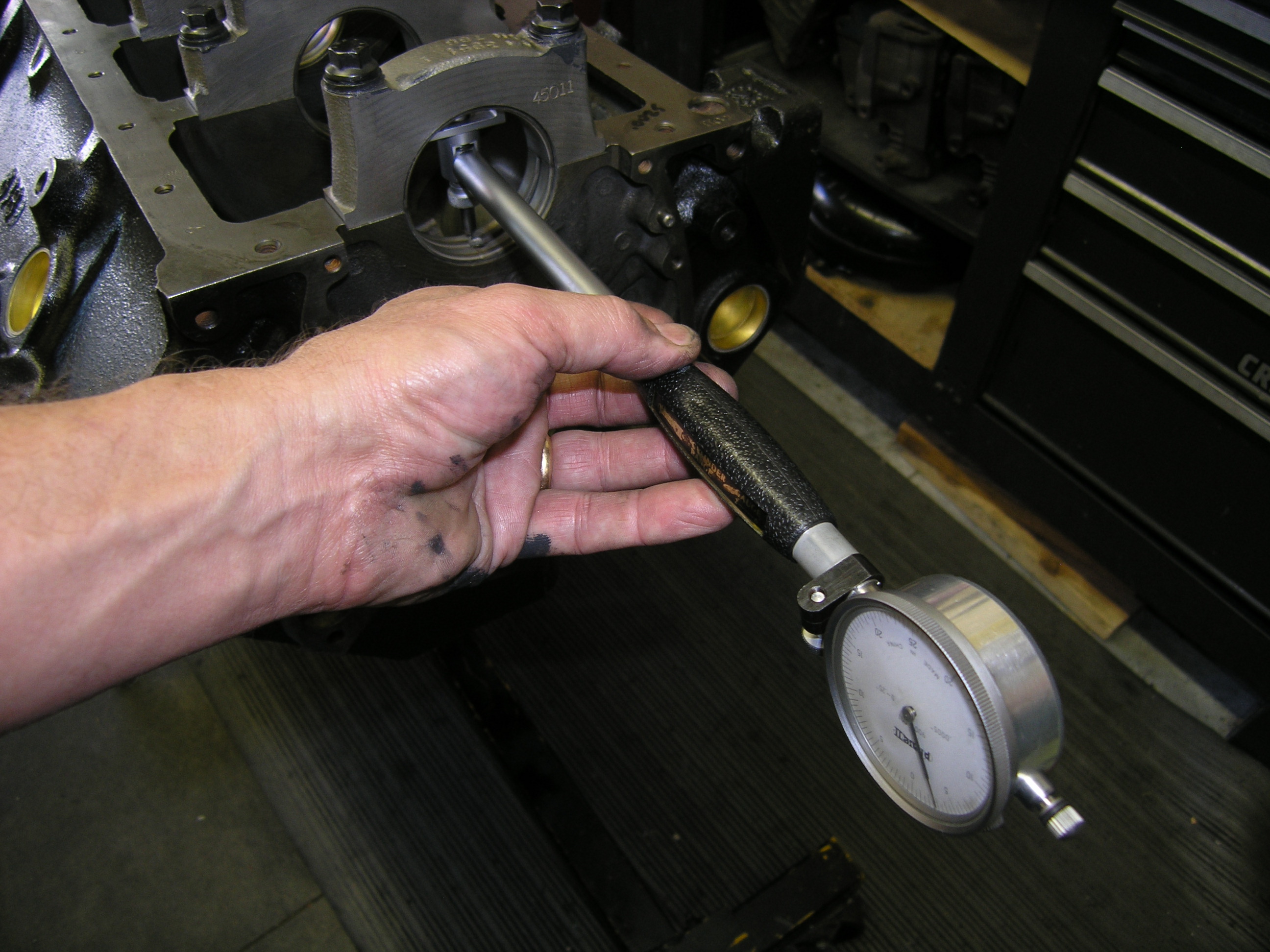
I started with the main journals. After having the crank polished I got 2.477″ on the main caps and 2.48″ on the crank giving us a solid .003″ clearance. I did the same with the connecting rods; 2.097″ on the rod ends and 2.100″ on the crank giving us the same .003″ clearance.
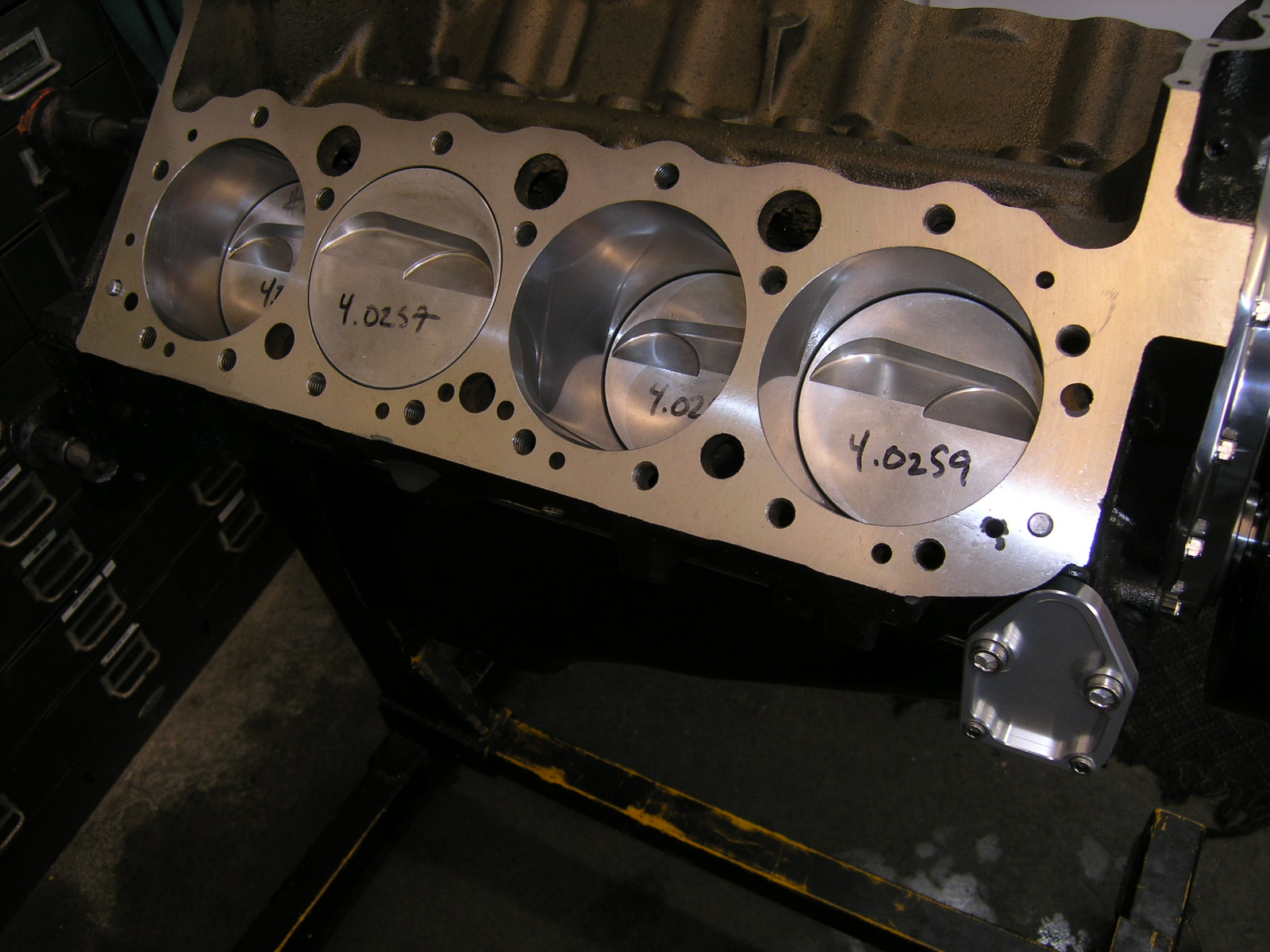
Next I checked the piston to cylinder wall clearance; 4.026″ on all the pistons, 4.0302″-4.0303″ on the cylinder walls giving us a little over .004″ piston to cylinder wall clearance. All the piston rings were hand filed to top -.019″, second – .023″ , oil ring – .015″ .
Note: To help reduce internal friction and free up a little extra Horsepower the CP Bullet pistons had a 1.5 mm, 1.5 mm, 3.0 mm ring pack.
Before torquing everything in place I set the crank end play at .005″
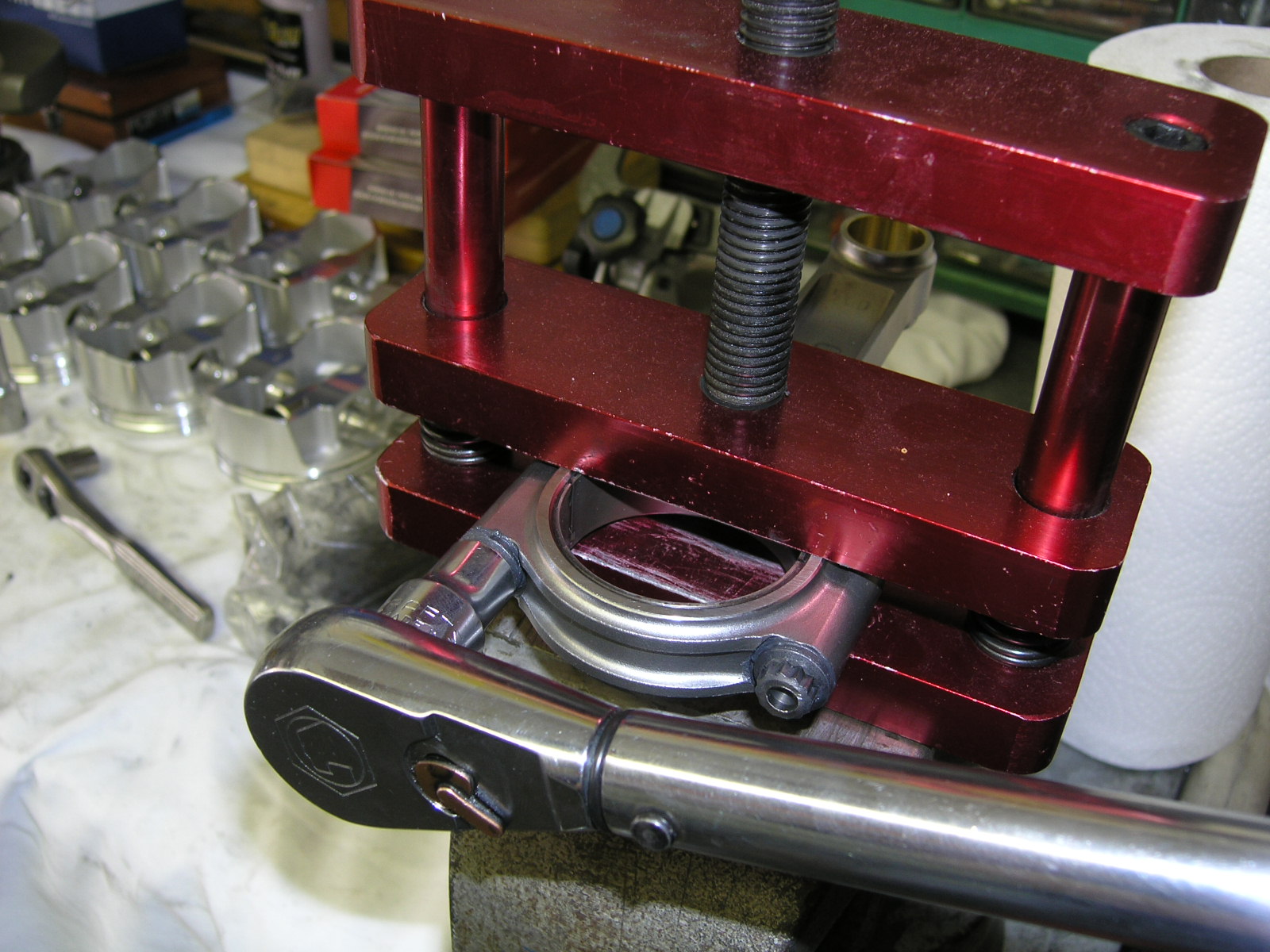
After all the clearances checked out I assembled everything together torquing the mains to 65 ft-lb. and the rods bolts to 63 ft-lb. Notice I used ARP bolts on both the rods and the main caps.
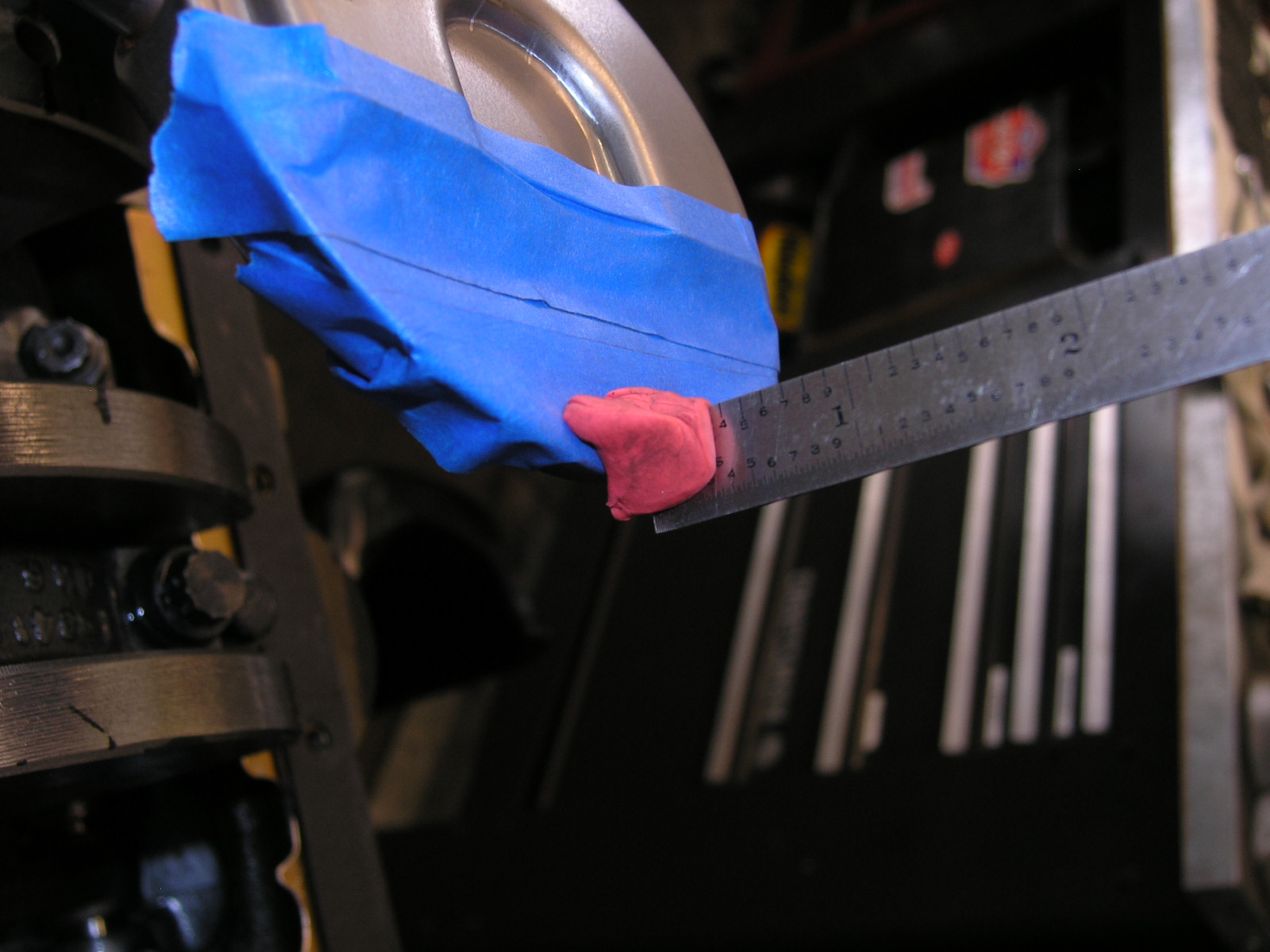
Double checking the deck height we got -.005″ out of the hole. This set us up with a quench of .036″ which helps reduce the chance of detonation on 91 octane fuel.
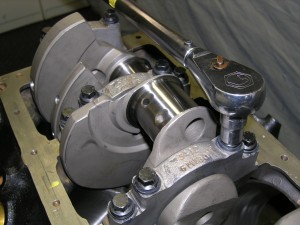
550 Horsepower pump gas 383 Small Block Chevy “Oiling system”
Leaving nothing to chance I always disassemble the oil pump (Mellings 55HV) and check all the clearances. Notice the hardened oil pump shaft and welded on oil pump pick up.
To help reduce windage and free up some more Horsepower I used a 6 qt. oil pan with a built in oil scraper and windage tray. before bolting on the oil pan I set the oil pump pick to oil pan clearance to 3/8″.
550 Horsepower pump gas 383 Small Block Chevy “Valve Train”
At the heart of this 383 is a list of quality valve train components, starting with the custom Iskendian hydraulic roller camshaft. It is a single pattern camshaft with .595 lift, 244 degrees of duration @ .050 and an advertised duration of 290 all on a 110 lobe center.
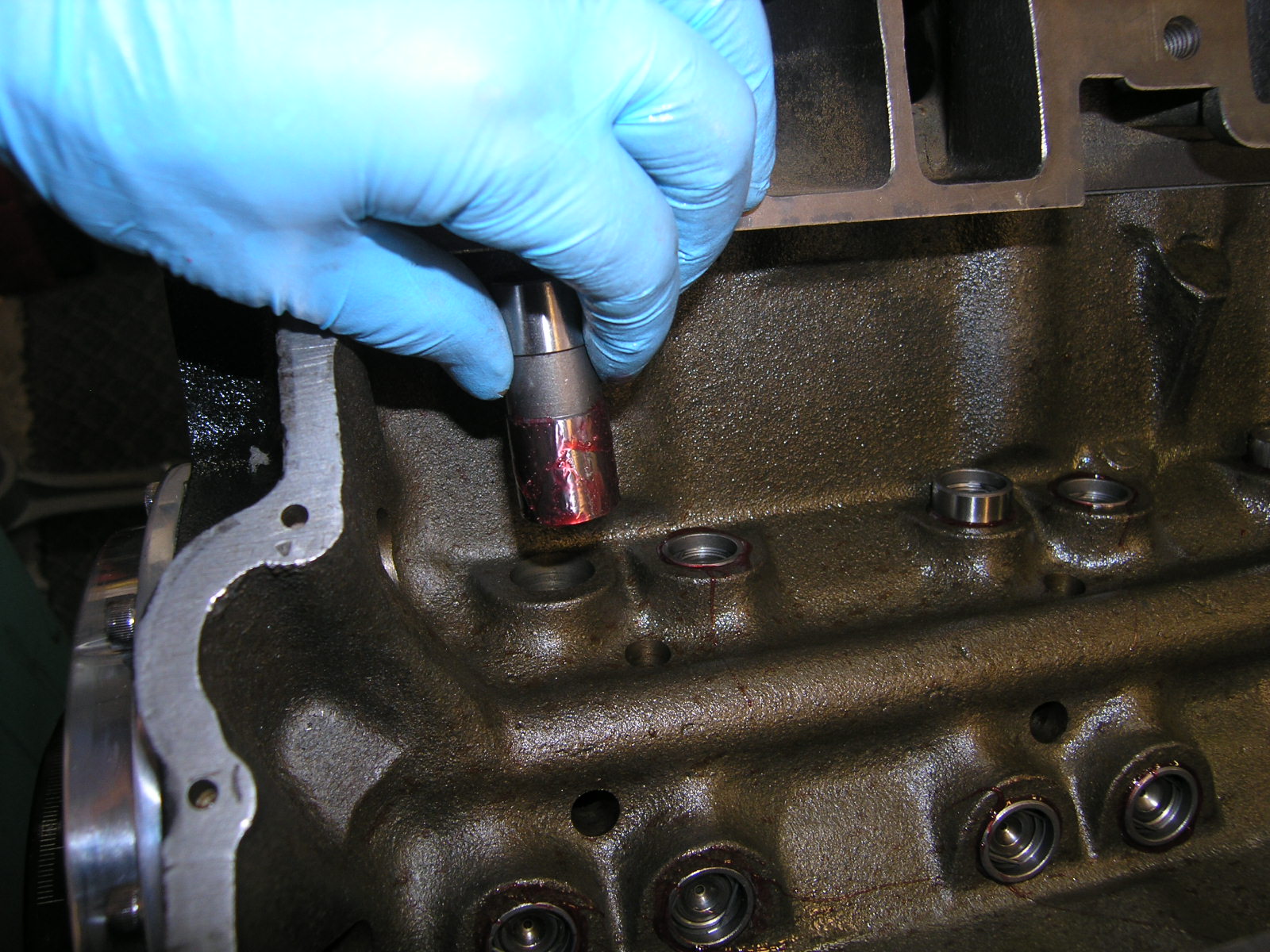
Because of the roller block the factory style hydralic roller lifters (I used Comp Cam lifters), guide plates, and holder were used in place of retro fit lifters.
To take advantage of the free flowing heads I wanted as much lift as possible so I installed Harland Sharp1.6 ratio rocker arms.
Using custom length Comp Cam one piece push rods allowed for the proper rocker arm geometry.
550 Horsepower pump gas 383 Small Block Chevy “Completed”
Here’s the completed engine waiting to be tested on the DTS dyno.
After completing a series of tuning pulls here’s a copy of the final numbers